Home > News > Industry News
As LED display technology continues to evolve, ultra-thin flexible LED displays are opening new possibilities for architects, retailers, event organizers, and automotive designers. Unlike conventional rigid LED panels, these displays bend and conform to curved surfaces, allowing creators to turn almost any structure into a dynamic digital canvas.
From immersive stage productions to architectural installations, flexible LED technology is redefining how people experience visual content.
One of the most popular applications for ultra-thin flexible LED displays is column wrapping. Shopping malls, hotels, museums, and exhibition centers often feature structural pillars that occupy valuable visual space.
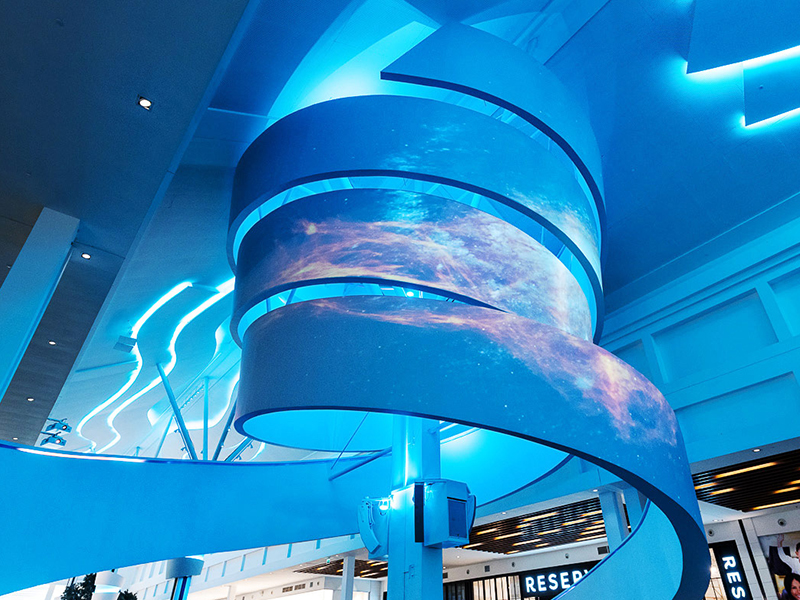
Instead of hiding these columns, designers can wrap them with flexible LED modules and convert them into eye-catching cylindrical displays. The result is a seamless 360-degree advertising or artistic installation that attracts attention from every direction while maximizing the use of existing architecture.
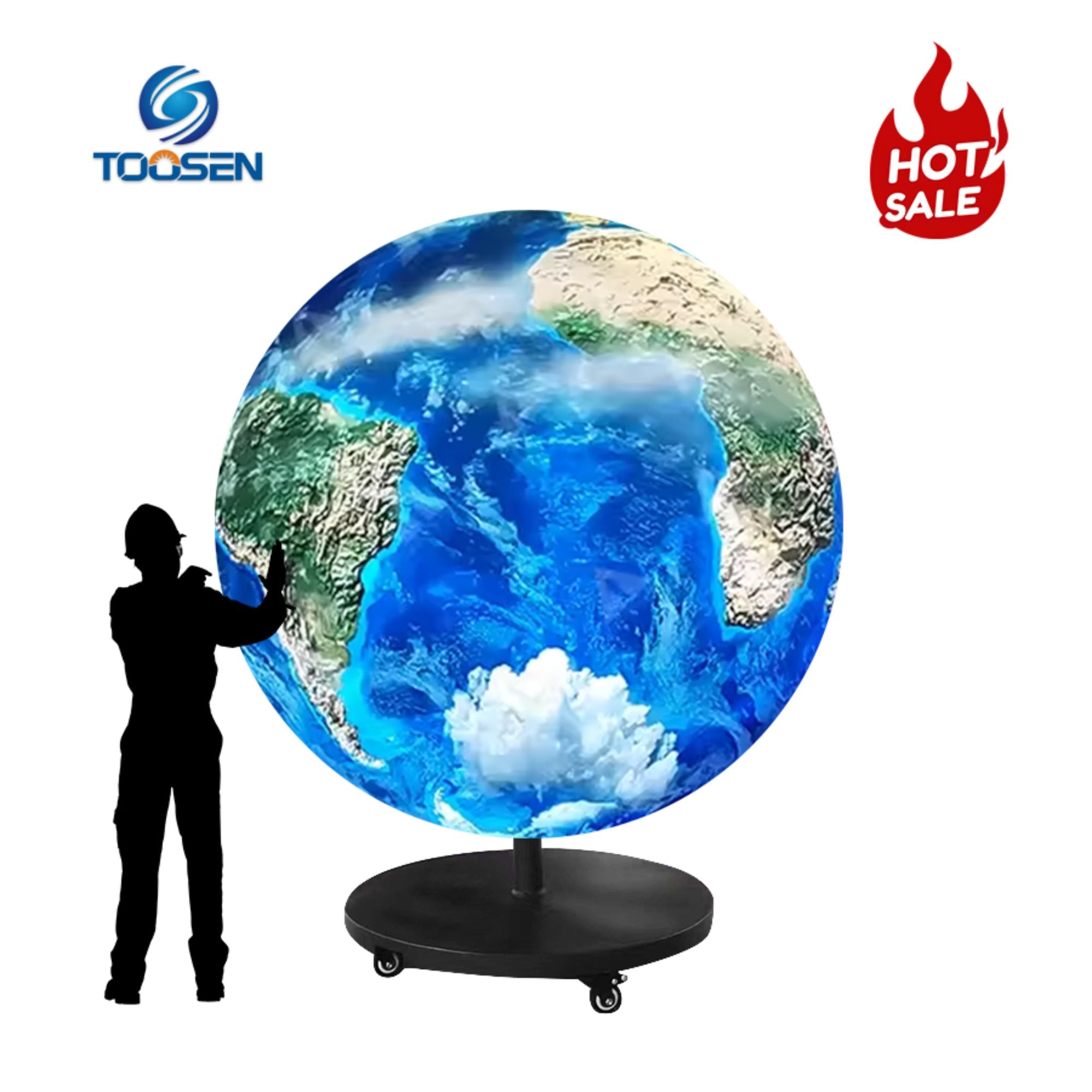
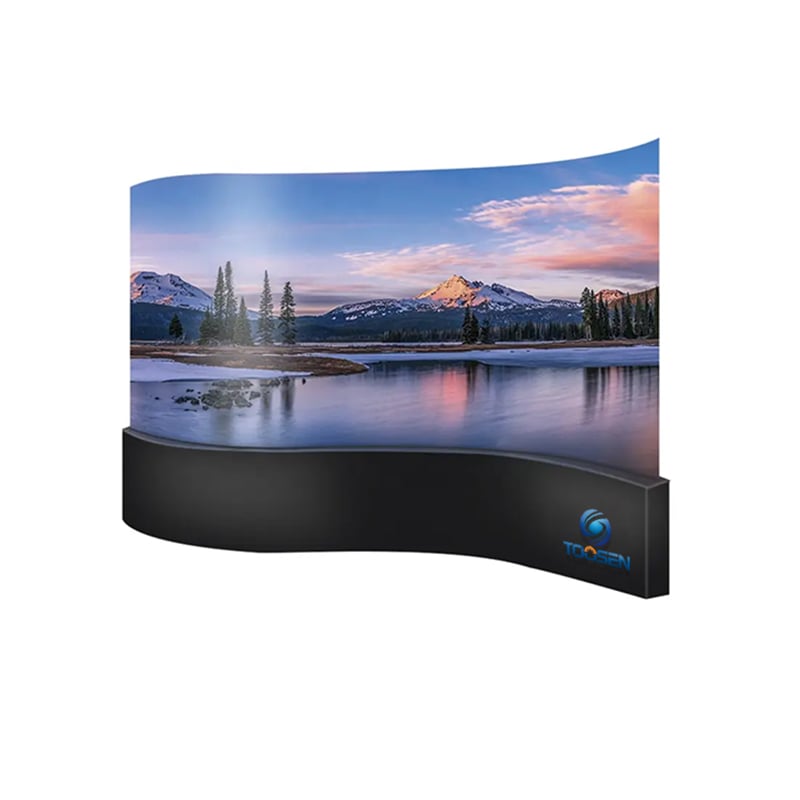
Stage designers frequently choose flexible LED displays because they can build shapes that traditional flat screens cannot achieve.
For example, they can create flowing wave backdrops, giant ribbon-inspired installations, suspended curved screens, or sculptural digital art pieces. These creative designs add depth, movement, and visual impact to concerts, product launches, fashion shows, and corporate events, helping audiences enjoy a more immersive experience.
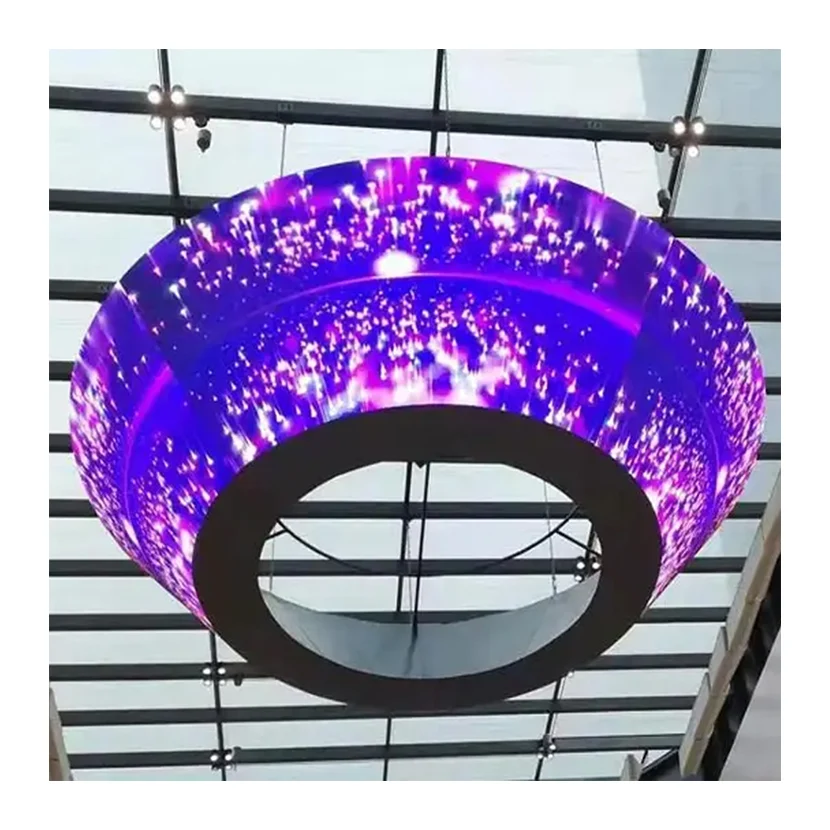
Flexible LED technology also supports architectural integration. Designers can install ultra-thin displays on domed ceilings, curved walls, flowing façades, or even specialized transparent structures to blend digital media with the building itself.
Rather than treating the screen as a separate object, architects can make it part of the overall design language. This approach creates memorable spaces while preserving clean lines and modern aesthetics.
The automotive industry increasingly values curved digital interfaces, and ultra-thin flexible LED displays fit naturally into this trend.
Manufacturers can integrate these displays into streamlined dashboards, curved center consoles, or advanced window display systems. Their ability to follow complex contours helps create futuristic interiors while maintaining a premium look and feel.
Although the technology offers significant advantages, several technical challenges still influence product design and large-scale adoption.
Flexible substrates bend during installation and operation. If LED pixels sit too close together, excessive bending may place stress on the components and increase the risk of damage or detachment.
As a result, manufacturing extremely fine-pitch flexible displays—especially those below P0.5—remains technically demanding and costly.
Repeated bending or stretching can gradually fatigue microscopic internal conductors. Over time, this mechanical stress may contribute to dead pixels, unstable electrical connections, or reduced display reliability in demanding environments.
Manufacturers continue to improve materials and engineering methods to extend product lifespan and maintain consistent performance.
Ultra-thin flexible LED displays typically cost more than conventional rigid LED panels. Specialized flexible materials, precision packaging techniques, and complex chip-mounting processes all increase manufacturing complexity.
However, for projects that require curved installations or custom shapes, the added design freedom and visual impact often justify the investment.
Ultra-thin flexible LED displays allow designers to think beyond flat rectangles and create digital experiences that adapt to architecture, products, and public spaces. Whether wrapping columns in a shopping mall, shaping immersive stage scenery, integrating media into modern buildings, or enhancing next-generation vehicle interiors, these displays continue to expand the possibilities of visual communication.
As manufacturing technology advances and production costs decline, flexible LED solutions are likely to play an even greater role in commercial displays, entertainment venues, and innovative architectural projects around the world.
 EN
EN
 AR
AR
 BG
BG
 HR
HR
 CS
CS
 DA
DA
 NL
NL
 FI
FI
 FR
FR
 DE
DE
 EL
EL
 HI
HI
 IT
IT
 JA
JA
 KO
KO
 NO
NO
 PL
PL
 PT
PT
 RO
RO
 RU
RU
 ES
ES
 SV
SV
 TL
TL
 ID
ID
 SR
SR
 UK
UK
 VI
VI
 ET
ET
 HU
HU
 TH
TH
 TR
TR
 FA
FA
 AF
AF
 MS
MS
 GA
GA
 HY
HY
 AZ
AZ
 MN
MN
 UZ
UZ