Home > News > Company News
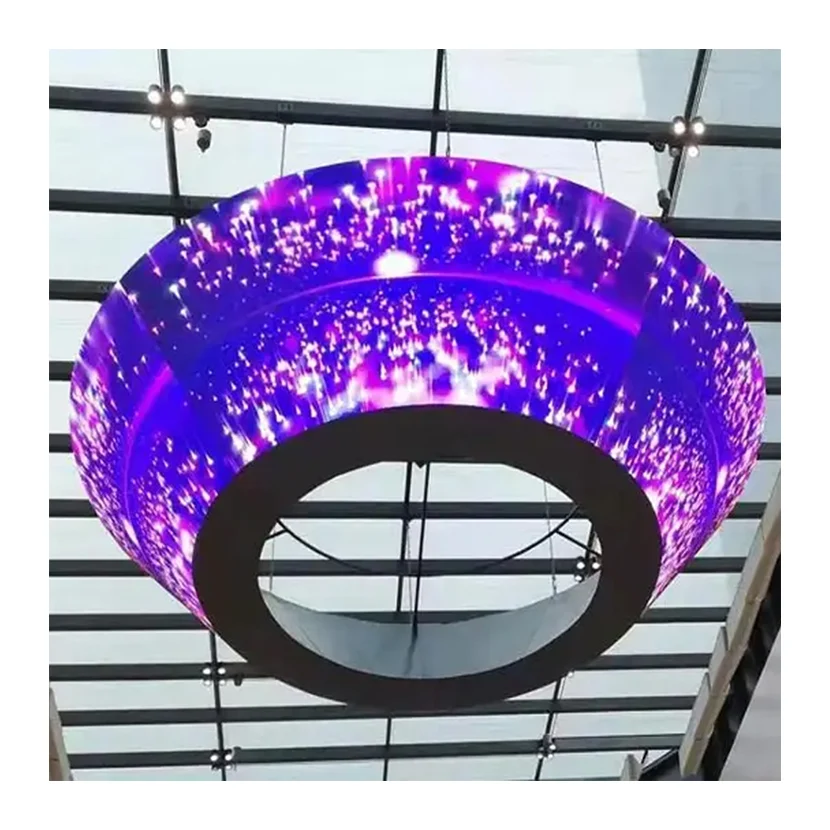
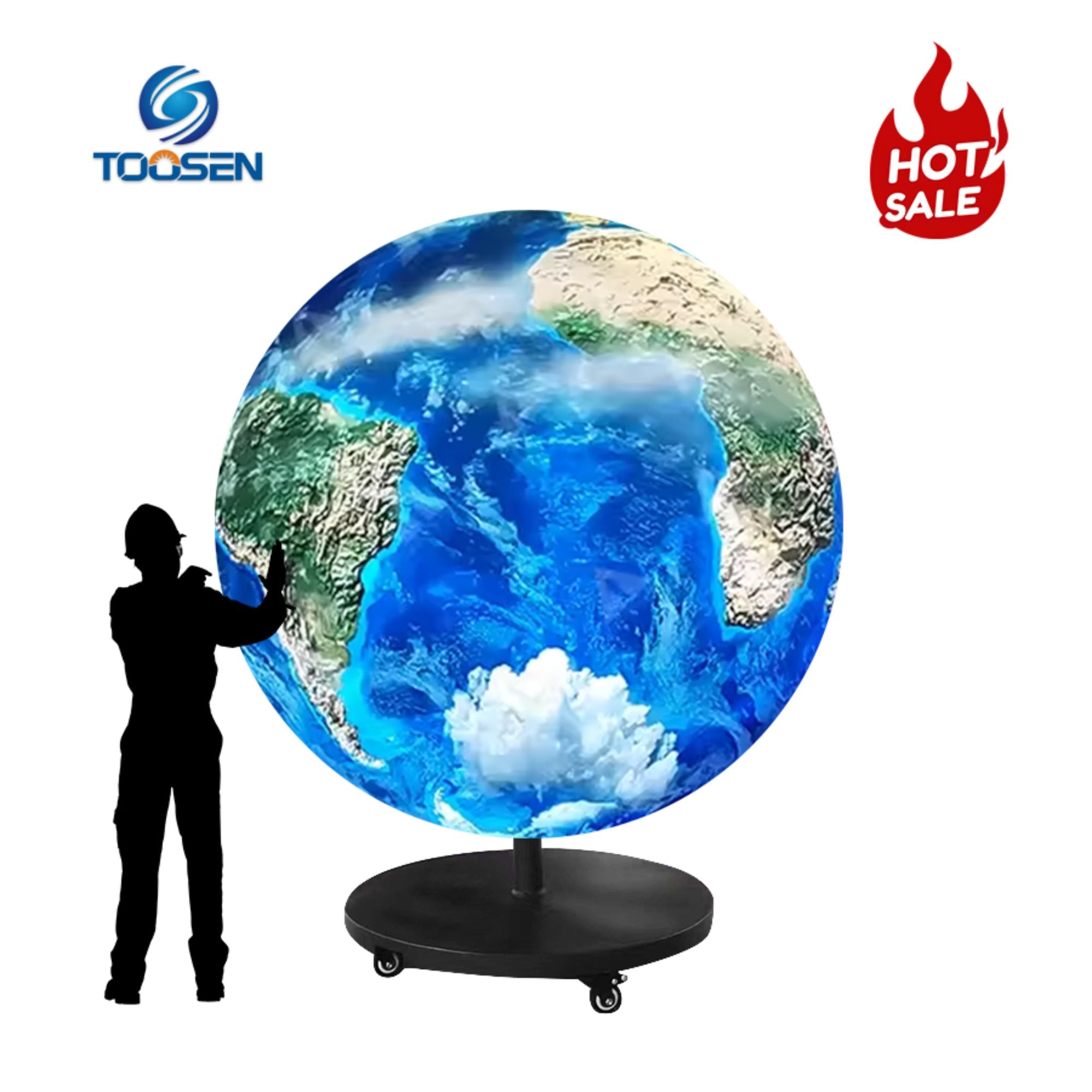
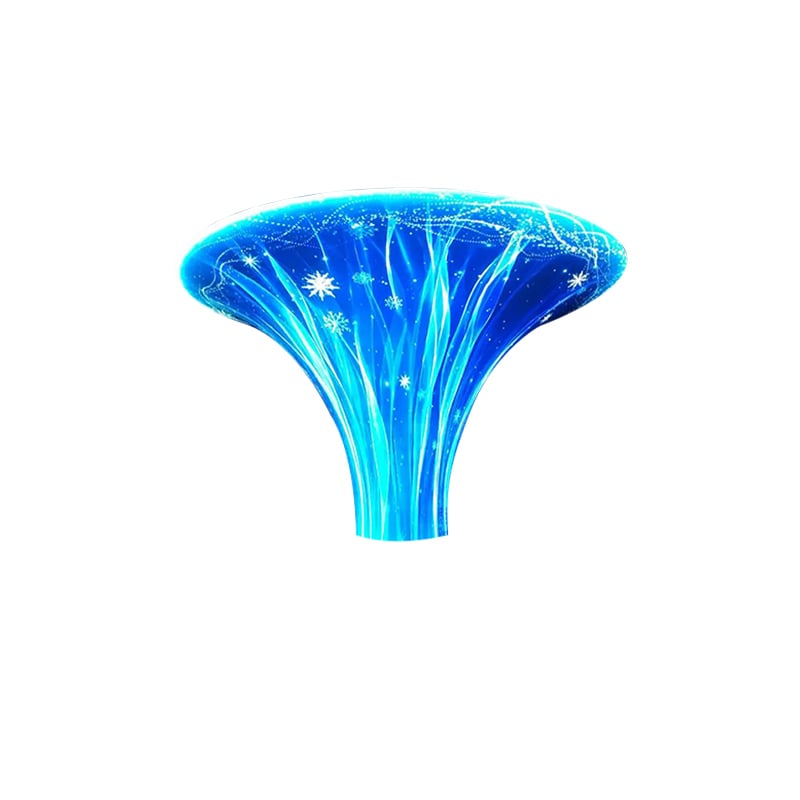
In the rapidly evolving landscape of digital signage, the Cylindrical LED screen has emerged as a showstopper. Whether it is a 360-degree pillar in a luxury mall or an immersive installation in a corporate lobby, these curved wonders break the "flat-screen" mold.
However, achieving a flawless circular glow requires more than just bending a few panels. Engineers must navigate a complex landscape of hardware limits and software precision. Here is a deep dive into the core technical pillars that make cylindrical LED displays possible.
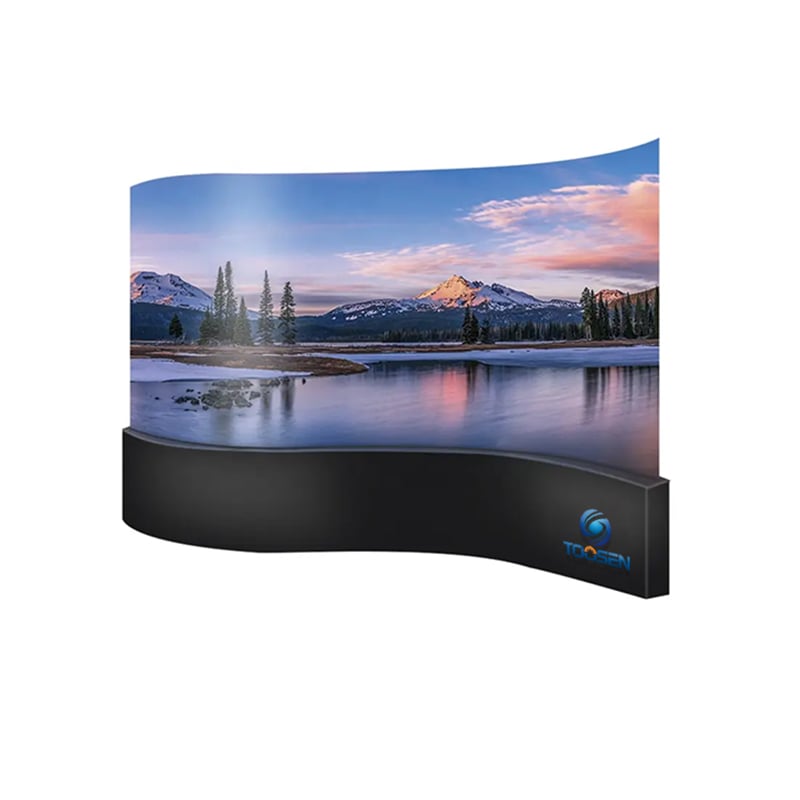
Unlike traditional rigid screens, cylindrical displays rely heavily on Flexible PCB (FPC) technology.
Active Innovation: Engineers utilize high-strength, rolled-copper substrates instead of standard glass fiber. This material choice allows the module to bend repeatedly without fracturing the internal circuitry.
Durability: High-end flexible modules withstand thousands of micro-bending cycles.
Adaptability: These modules conform to tight diameters, enabling pillars as slim as 0.5 meters.
One common hurdle in curved design is the "faceted" look—where a circle looks more like a collection of flat edges.
Transitions: To counter this, manufacturers prioritize narrow-pixel-pitch (NPP) modules. By reducing the width of individual LED strips, designers can increase the number of facets, effectively smoothing the curve into a perfect circle. Furthermore, CNC-machined structural frames provide the sub-millimeter precision required to ensure that no visible gaps or "dark lines" appear between modules.
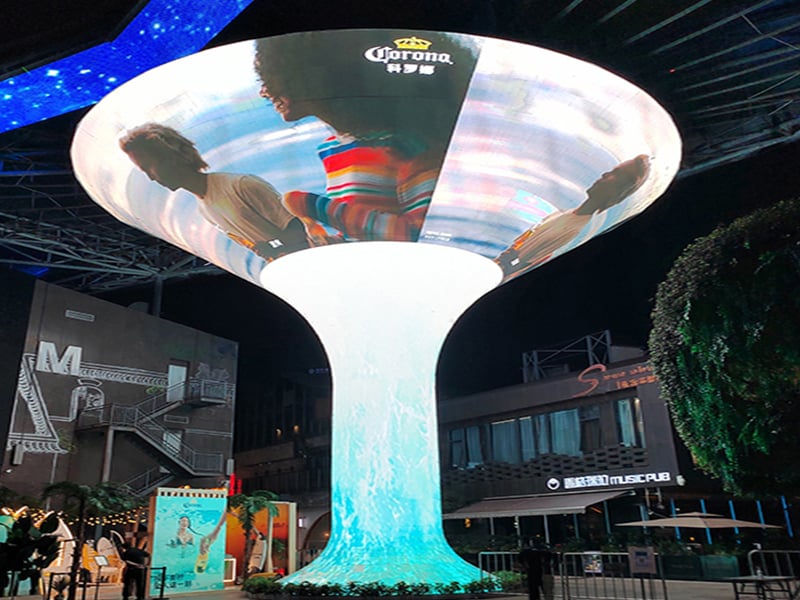
A beautiful curve means nothing if the content looks distorted. This is where software takes the lead.
Pixel Mapping: Specialized controllers remap standard 16:9 video content onto a cylindrical coordinate system. This process ensures that people and logos do not appear "stretched" as they wrap around the surface.
Chroma Calibration: Because viewing angles change constantly as a viewer walks around a pillar, engineers apply point-by-point brightness calibration. This ensures color uniformity, regardless of whether you are standing directly in front of the screen or at an acute angle.
Heat is the enemy of LED longevity. In a closed cylindrical structure, heat can become trapped, leading to color shifting or premature diode failure.
Strategic Cooling: Smart designs leverage the "Chimney Effect." By placing intake vents at the base and exhaust ports at the crown, the display creates natural convection. Moreover, the use of energy-efficient driver ICs reduces the initial heat load, allowing the screen to run cool without the noise of industrial fans.
| Feature | Flat LED Panel | Cylindrical LED Screen |
| Structural Rigidity | High (Rigid Frame) | Flexible (FPC Base) |
| Maintenance | Rear Access common | Front-Access Only (Magnetic) |
| Viewing Angle | 120°–160° | True 360° Surround |
| Installation | Bolt-on | High-Strength Magnetic Adsorption |
Cylindrical LED screens represent the perfect marriage of structural engineering and digital art. By prioritizing flexible materials, precise mechanical frames, and intelligent mapping software, brands can transform dead space—like structural pillars—into vibrant, revenue-generating assets.
Are you ready to elevate your architectural space with a custom curved solution?
 EN
EN
 AR
AR
 BG
BG
 HR
HR
 CS
CS
 DA
DA
 NL
NL
 FI
FI
 FR
FR
 DE
DE
 EL
EL
 HI
HI
 IT
IT
 JA
JA
 KO
KO
 NO
NO
 PL
PL
 PT
PT
 RO
RO
 RU
RU
 ES
ES
 SV
SV
 TL
TL
 ID
ID
 SR
SR
 UK
UK
 VI
VI
 ET
ET
 HU
HU
 TH
TH
 TR
TR
 FA
FA
 AF
AF
 MS
MS
 GA
GA
 HY
HY
 AZ
AZ
 MN
MN
 UZ
UZ