Home > News > Industry News
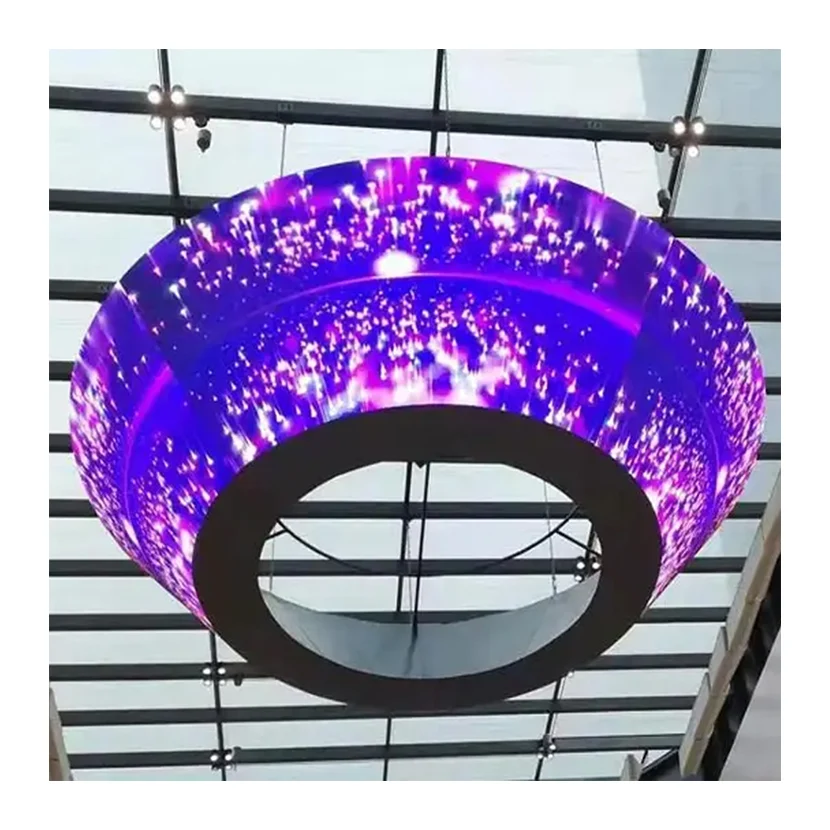
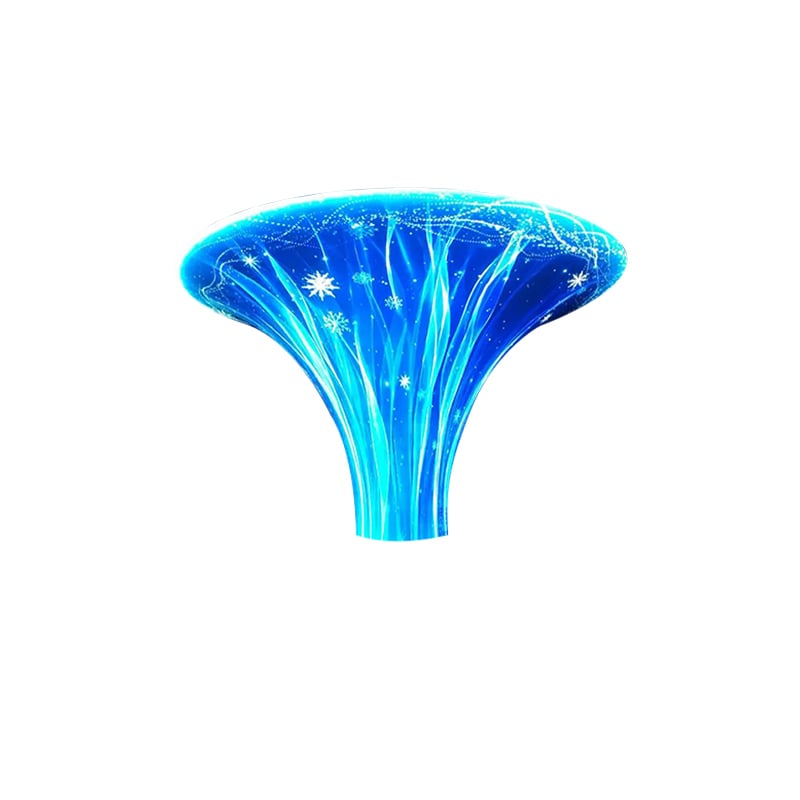
Standard rectangular LED displays work great for regular advertising, but creative spaces demand unique shapes. One design gaining massive popularity in modern museums and shopping malls is the teardrop or drop-shaped LED screen. Its smooth curves capture human attention immediately. However, flat, rigid circuit boards cannot bend into a droplet silhouette. Manufacturing these stunning installations requires specific materials, smart framing, and clever software setup.
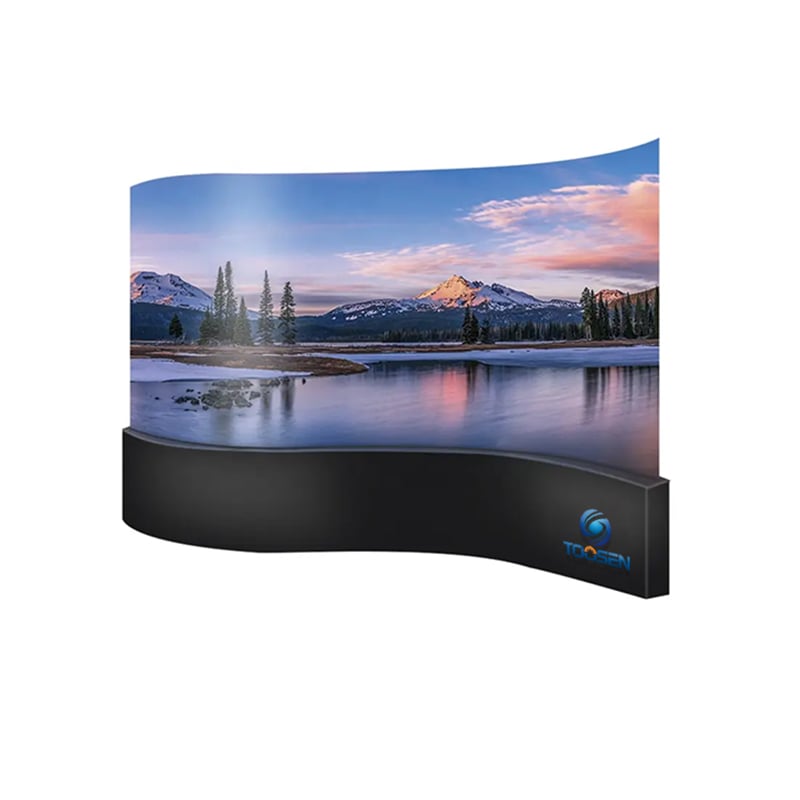
Traditional LED panels use hard backings. To get a perfect waterdrop curve, manufacturers swap hard plastics for flexible rubber or silicone bases. The industry calls these flexible LED modules.
These soft modules bend easily without cracking the underlying electronics. To handle the tight tapers and pointed tips of a teardrop design, engineers cut specialized triangular or geometric circuit boards. Combining flexible panels with custom-cut corner pieces guarantees a smooth edge without any blocky, pixelated gaps.
A beautiful screen needs a solid backbone. Before assembling any electronics, structural engineers create a digital 3D model of the teardrop. A CNC laser machine then cuts a custom steel or aluminum frame matching those exact dimensions.
This metal frame serves as the structural skeleton. Factory workers place strong magnets across the frame surface. Because the flexible LED modules have magnetic backings, they snap directly onto the curved metal frame instantly. This magnetic mounting method keeps the installation perfectly seamless and allows for quick maintenance from the front side.
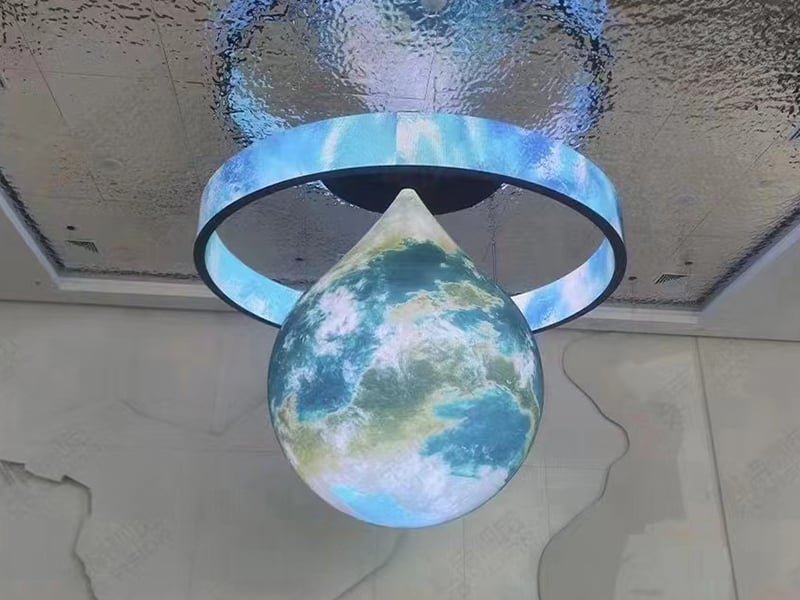
Standard video files come in rectangular shapes. Sending a normal video directly to a teardrop-shaped screen creates massive distortion, stretching the image across the curves. Fixing this requires specialized video processors and media servers.
Software engineers map the exact position of every single pixel on the physical teardrop frame. This pixel mapping ensures the video signal aligns perfectly with the odd shape. Finally, creative studios design custom 3D video content tailored specifically to the teardrop proportions. Playing fluid visuals like running water or cosmic flows makes the unique shape look completely natural.
A1: Yes. Manufacturers can apply waterproof silicone coatings to flexible LED modules, allowing them to withstand rain and dust for outdoor architectural displays.
A2: The magnetic mounting system makes repairs simple. Technicians use a vacuum suction tool to pull the specific flexible module off the frame and pop a new one in within minutes.
A3: Regular 16:9 video will look cropped or stretched. For the best visual results, always use custom-rendered video files built to match the unique pixel map of the screen.
 EN
EN
 AR
AR
 BG
BG
 HR
HR
 CS
CS
 DA
DA
 NL
NL
 FI
FI
 FR
FR
 DE
DE
 EL
EL
 HI
HI
 IT
IT
 JA
JA
 KO
KO
 NO
NO
 PL
PL
 PT
PT
 RO
RO
 RU
RU
 ES
ES
 SV
SV
 TL
TL
 ID
ID
 SR
SR
 UK
UK
 VI
VI
 ET
ET
 HU
HU
 TH
TH
 TR
TR
 FA
FA
 AF
AF
 MS
MS
 GA
GA
 HY
HY
 AZ
AZ
 MN
MN
 UZ
UZ