Home > News > Company News
Price is important when purchasing an LED display, but it should not be the only consideration.
Product components, cabinet design, control systems, quality testing and after-sales support can all affect the screen’s performance and long-term cost.
A reliable LED display manufacturer should understand your application, recommend suitable specifications, control production quality and provide support after delivery.
This guide explains eight key factors to consider when choosing an LED display manufacturer.
The first step is not selecting a pixel pitch or comparing prices. It is defining how and where the LED screen will be used.
Before recommending a product, a professional manufacturer should ask:
Different applications require different technical solutions.
For creative display projects, the application determines not only the technical specifications but also the screen’s shape, structure and installation method.
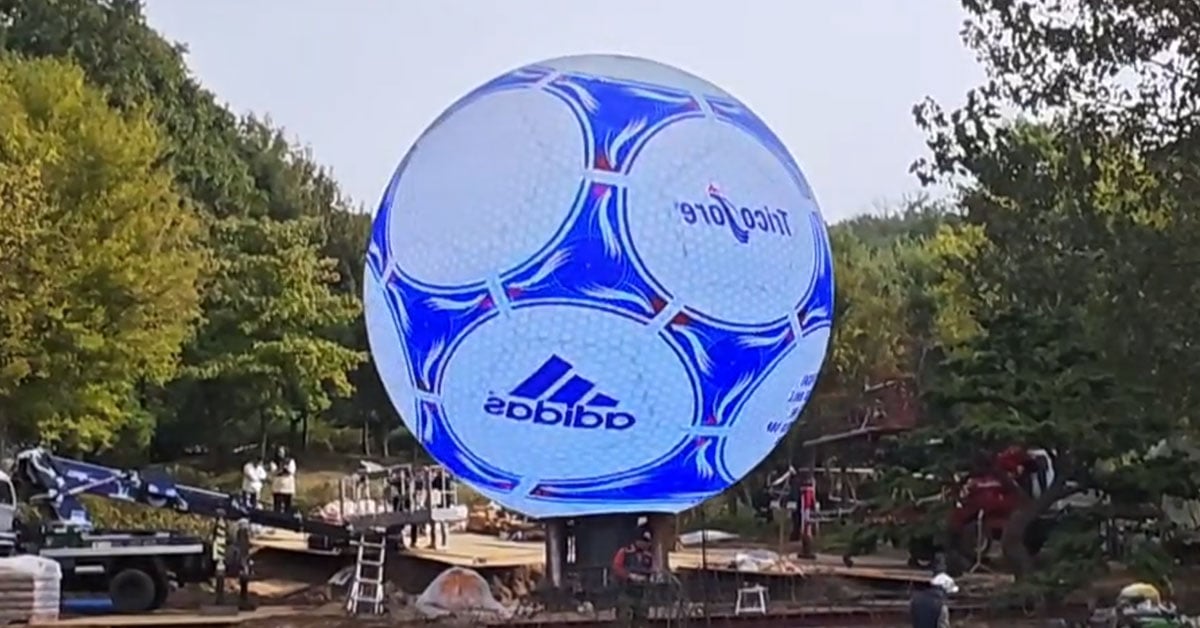
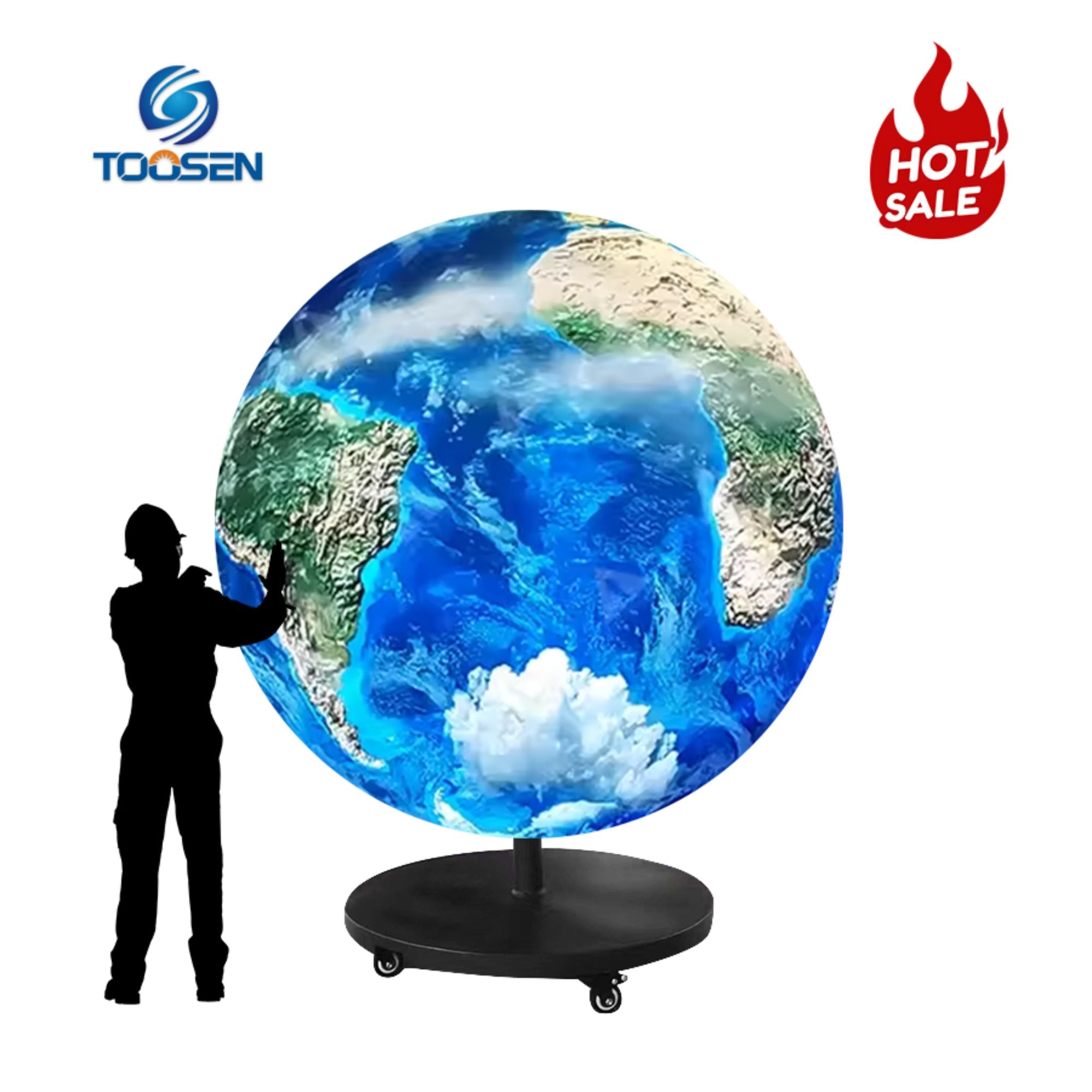
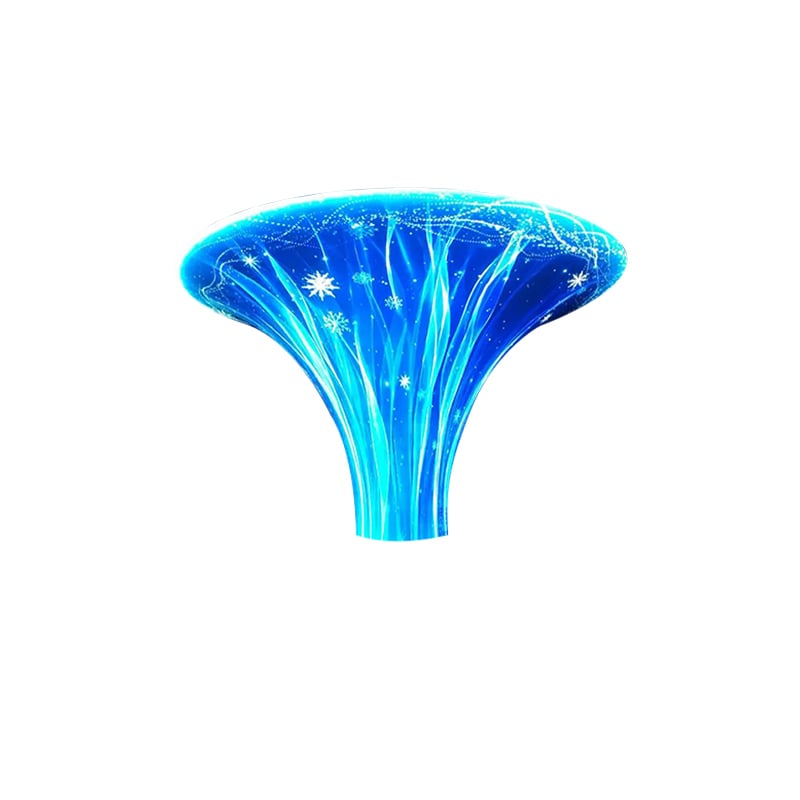
A spherical LED display provides 360-degree visibility and can attract attention from multiple viewing directions. It is suitable for:
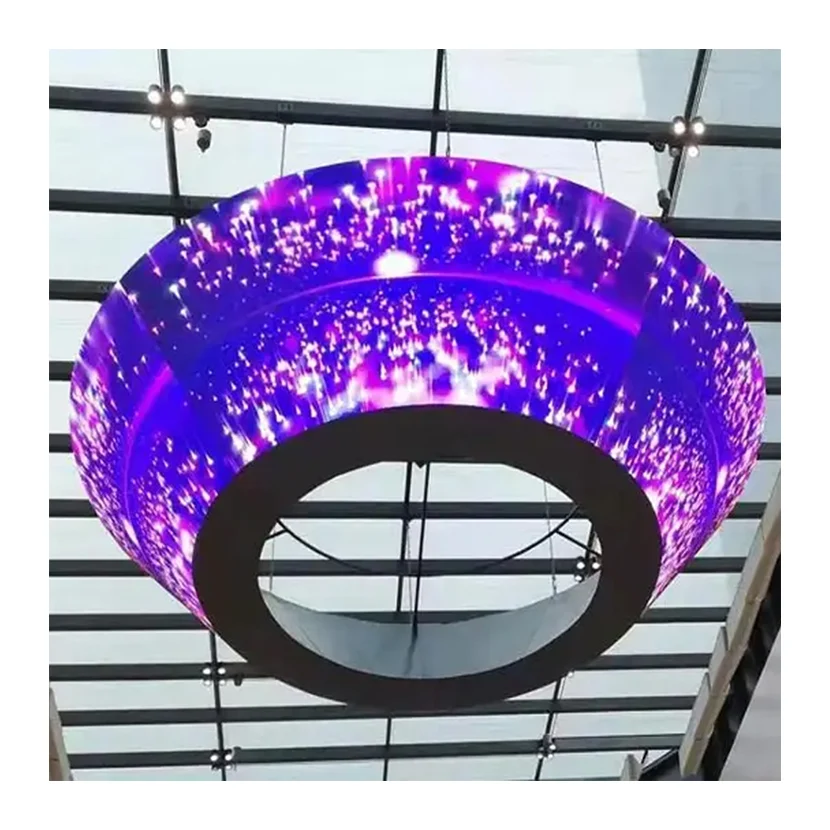
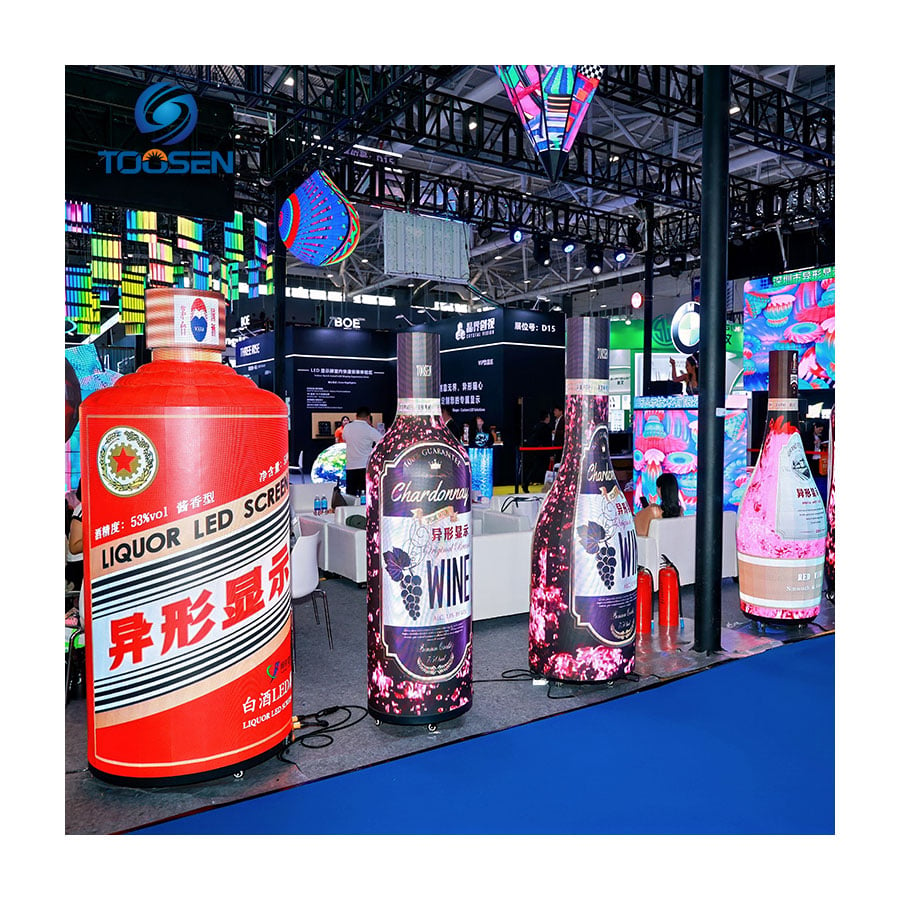 Projects that need to match a particular building, product or creative concept may require a custom-shaped LED display. Toosen can develop spherical, cylindrical, curved, polygonal and other customized LED structures for applications such as:
These projects require more than selecting pixel pitch and brightness. The manufacturer must also evaluate module design, structural accuracy, content presentation, installation, maintenance access and indoor or outdoor protection.
Toosen’s ability to produce both spherical and custom-shaped LED displays allows customers to develop more distinctive installations instead of being limited to conventional flat screens. The final solution should still be based on the installation environment, viewing distance, project dimensions and content requirements.
Many companies can sell LED display products, but their manufacturing and engineering capabilities may be very different.
Before placing an order, buyers should confirm whether the supplier has experience in:
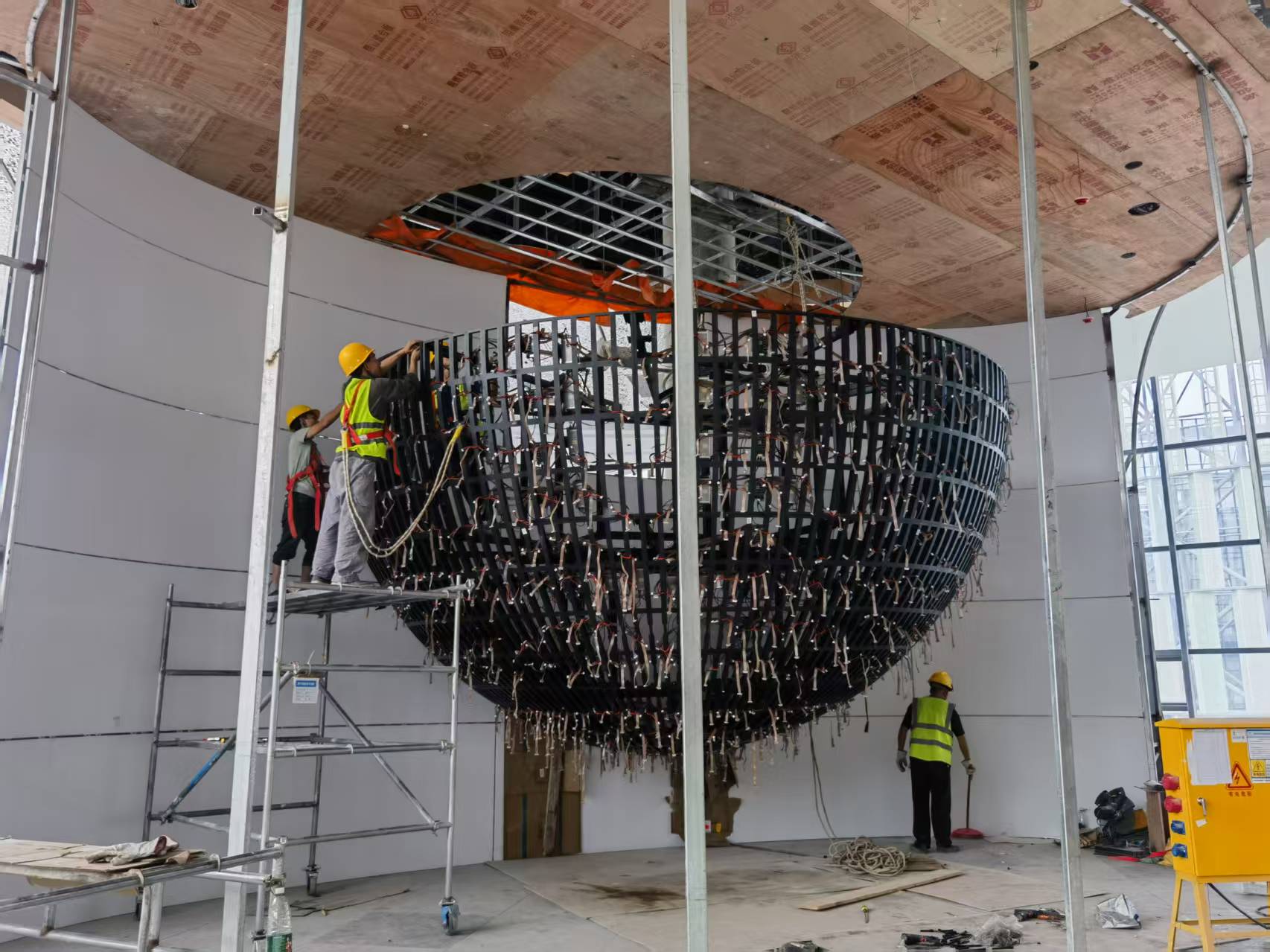
Shenzhen Toosen Optoelectronics Co., Ltd. was founded in 2014 and integrates research and development, production, sales, and technical service.
Toosen provides solutions for:
Buyers can learn more about the company’s background and manufacturing focus on the About Toosen page.
Manufacturing capability becomes especially important when a project requires a non-standard screen.
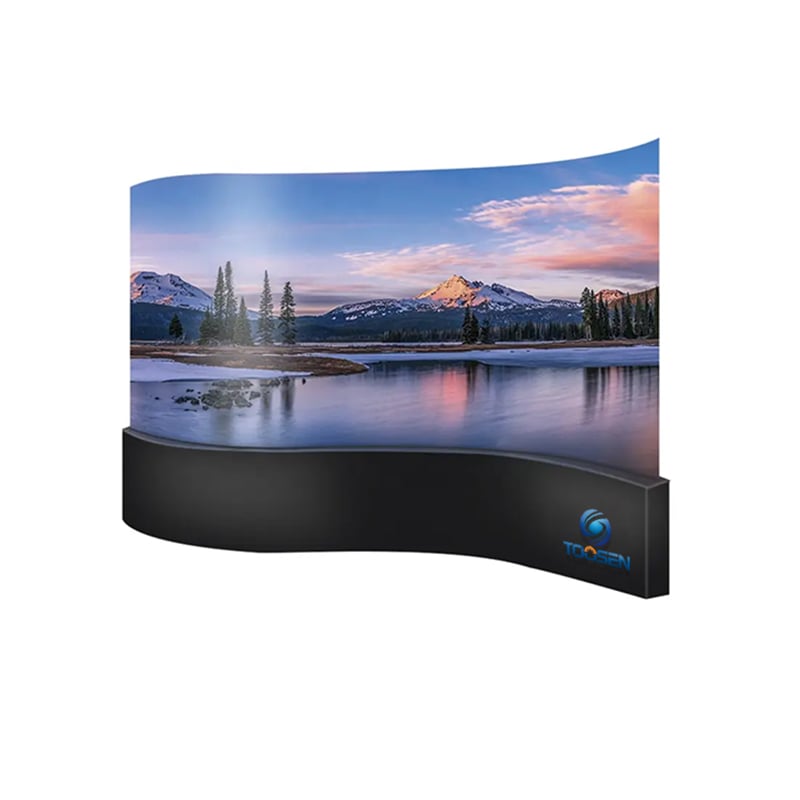
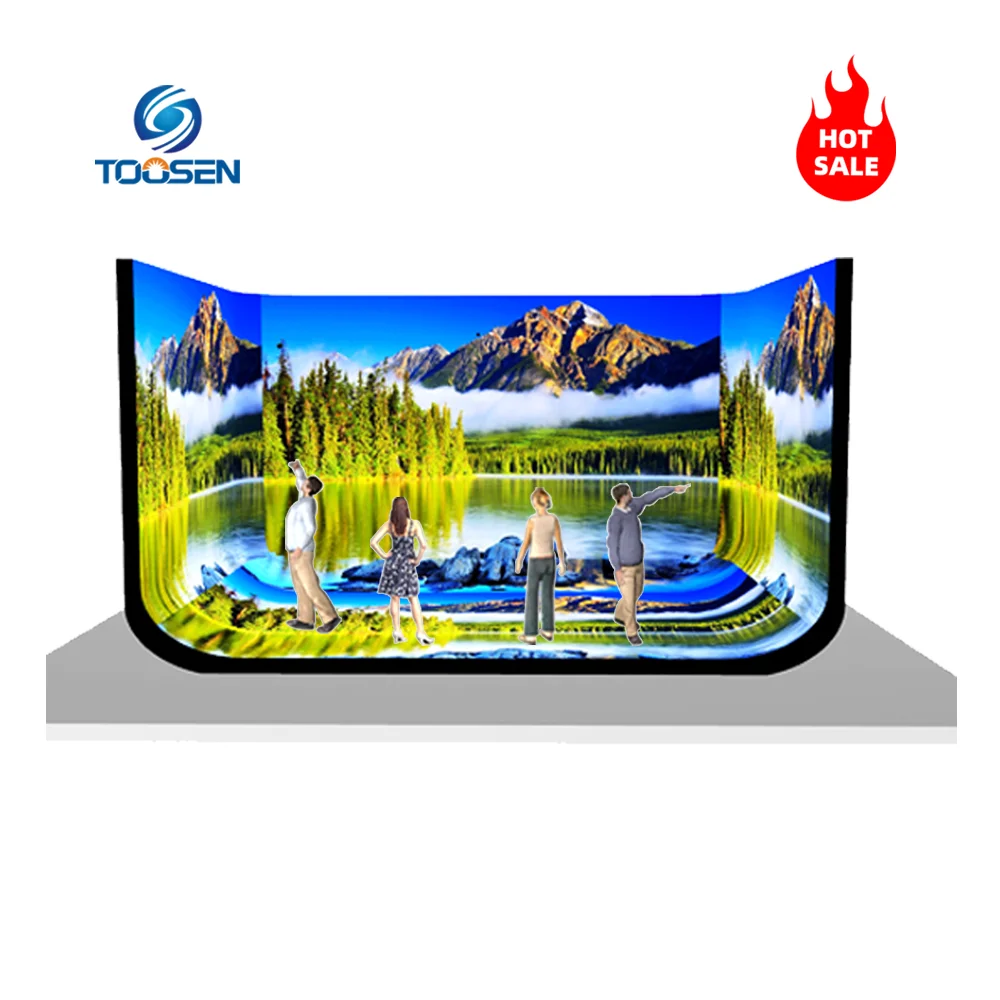
A curved LED display, for example, involves more than placing flexible modules on a curved surface. The manufacturer must consider:
In a Korean lecture hall project, Toosen developed a customized curved GOB LED display solution. The project required coordination between the curved structure, display protection, installation conditions and long-term visual performance.
For creative projects, a manufacturer with engineering experience can also provide custom-shaped LED displays in different dimensions and structures.
Many quotations focus on four numbers:
These specifications are important, but they do not represent the complete quality of an LED display.
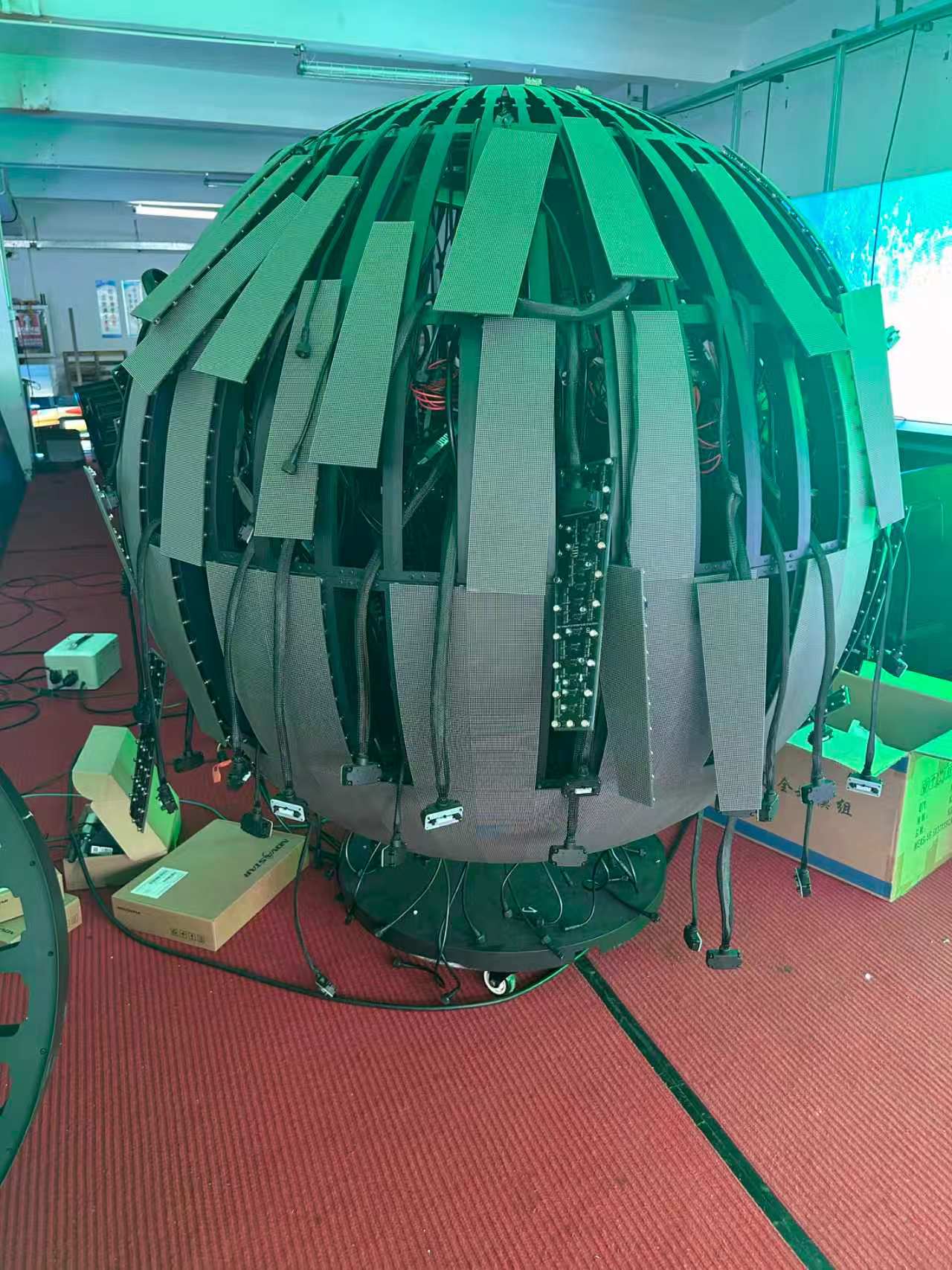
Two screens may have the same pixel pitch and refresh rate but use different LED packages, driver ICs, PCB designs, power supplies, receiving cards and cabinet structures. These differences can affect color consistency, operating stability, heat management and maintenance requirements.
Important components inside an LED display include:
When comparing quotations, buyers should ask the manufacturer to identify the main component brands and explain why they are suitable for the project.
The lowest-cost component is not always appropriate for a screen expected to operate for long periods or display professional video content.
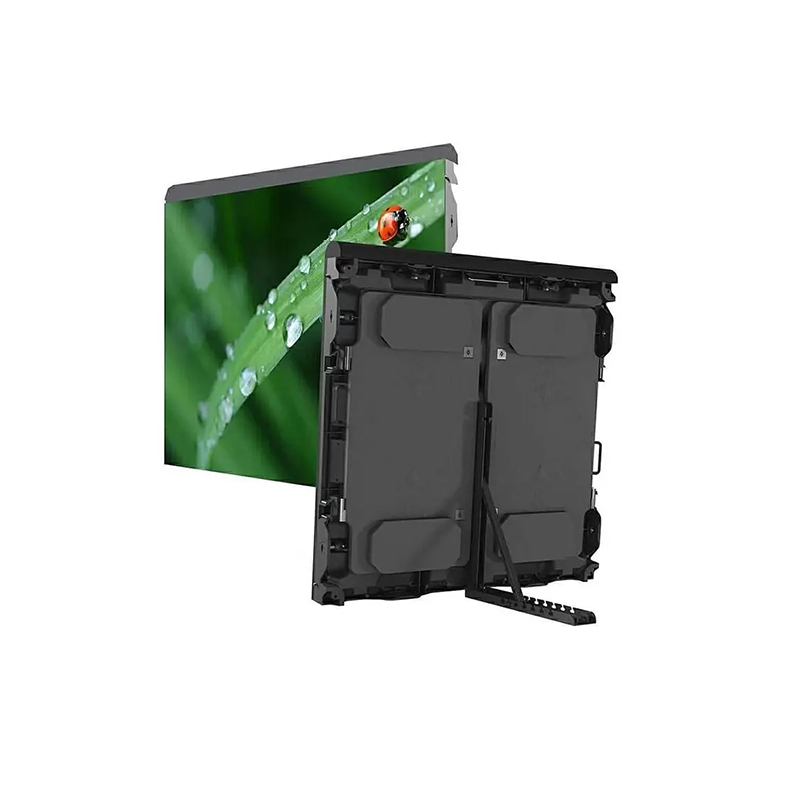
The cabinet supports the LED modules and contains the power, signal and control components.
A properly designed cabinet can improve:
Die-cast aluminum cabinets are commonly used when high assembly precision, low weight, efficient heat transfer and convenient installation are important.
However, this does not mean die-cast aluminum is the best option for every project. Steel and conventional aluminum cabinets may remain suitable for some fixed installations, depending on the screen size, supporting structure, maintenance method and budget.
Buyers should evaluate the cabinet according to the actual application rather than choosing a material based only on marketing descriptions.
For a closer look at modules, power supplies, receiving cards and cabinet frames, read our guide to the core components of an LED display cabinet.
An LED display is not only a collection of LED panels. It is a complete visual system.
A typical signal path includes:
Content Source → Video Processor → Sending Card → Receiving Card → LED Modules
The video processor receives content from sources such as computers, cameras, media servers and playback devices. It then scales and processes the image so that it matches the physical resolution of the LED screen.
The sending and receiving cards distribute the processed video data to the correct areas of the display.
Before purchasing an LED screen, buyers should ask:
The correct system depends on the application.
A conference-room display may need reliable HDMI input and convenient switching between computers. A stage display may require camera-friendly performance, multiple inputs and low-latency signal processing. A digital advertising screen may need scheduled playback and remote content management.
For more technical information, read our guide to LED screen processors, controllers, and media players.
Quality control is one of the most important differences between LED display suppliers.
A professional testing process should cover the complete system rather than checking only whether the modules light up.
LED packages, PCB boards, driver ICs, power supplies and control components should be checked before production.
Material consistency is especially important because visible color or brightness differences can appear when components from inconsistent production batches are mixed.
Each LED module should be tested for:
After assembly, the manufacturer should inspect:
The complete display should be assembled and tested before shipment whenever project conditions allow.
Testing should include:
Outdoor displays may also require checks related to waterproof protection, ventilation and operating conditions.
Buyers should request real photos or videos of the screen operating before shipment. A testing report, configuration file and connection diagram can also make installation and future maintenance easier.
The cheapest quotation is not always the most cost-effective solution.
Two suppliers may quote the same pixel pitch, but the final products may differ in:
A lower initial price can result in higher long-term costs if the screen requires frequent maintenance, replacement components or extended operational downtime.
When comparing quotations, buyers should confirm whether the price includes:
The best quotation is the one that provides a suitable and clearly defined system for the application—not necessarily the quotation with the lowest total amount.
For an international LED display project, technical support remains important after the screen leaves the factory.
Before ordering, overseas buyers should confirm:
Spare modules should be produced from the same or a compatible LED batch whenever possible. This helps reduce visible differences in color and brightness if a module is replaced later.
The manufacturer should also provide essential project information, such as:
For overseas buyers, the value of a manufacturer is not limited to producing the screen. Clear communication and accessible technical support can significantly reduce installation and maintenance risks.
A supplier’s previous work can show whether it is capable of translating specifications into a complete working system.
When reviewing a project, buyers should look for more than an attractive final image. A useful case study should include:
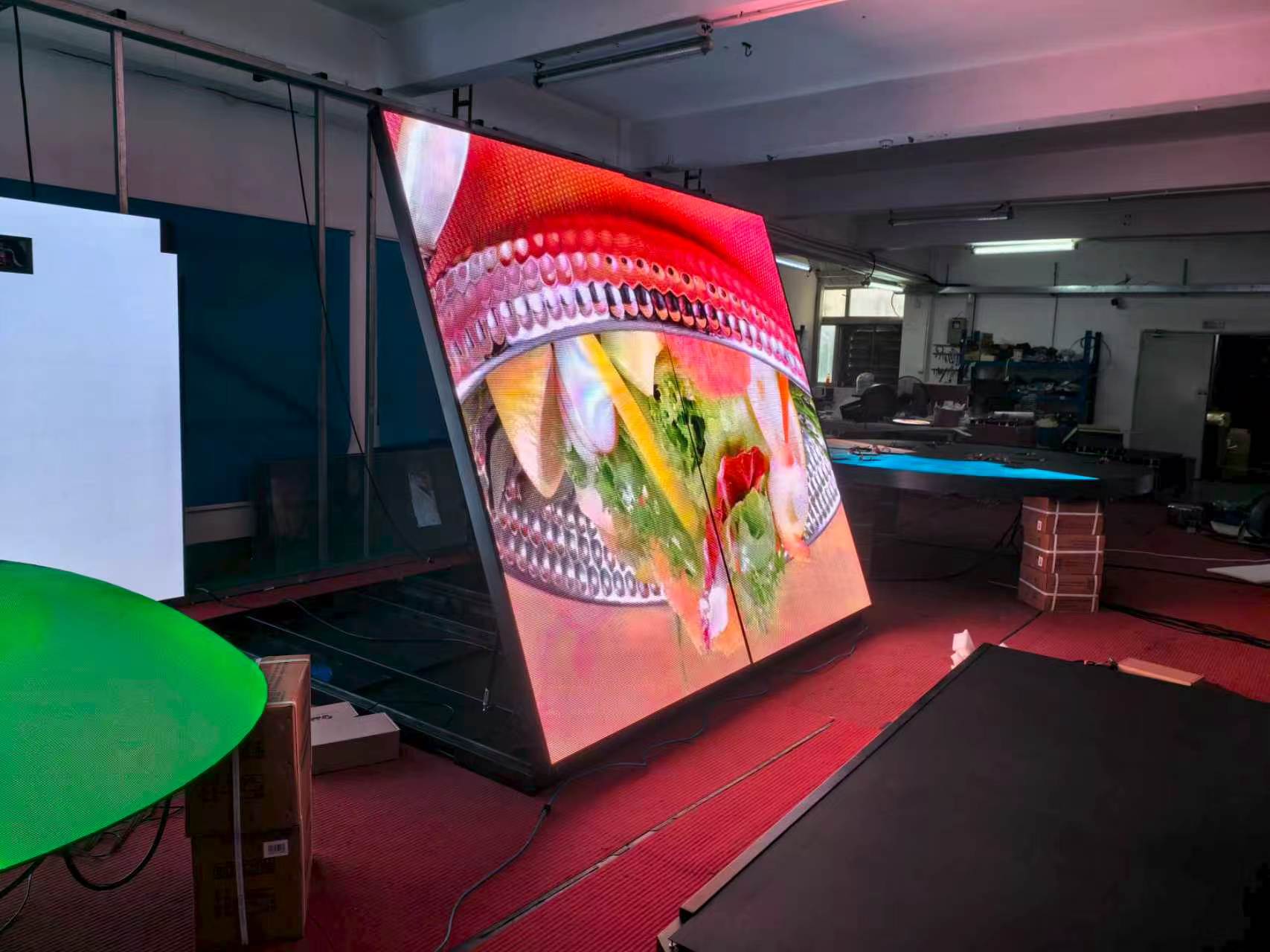
For this project, a customer in Ghana required an indoor LED display for a professional corporate environment.
Unlike outdoor advertising screens, a corporate indoor display generally requires:
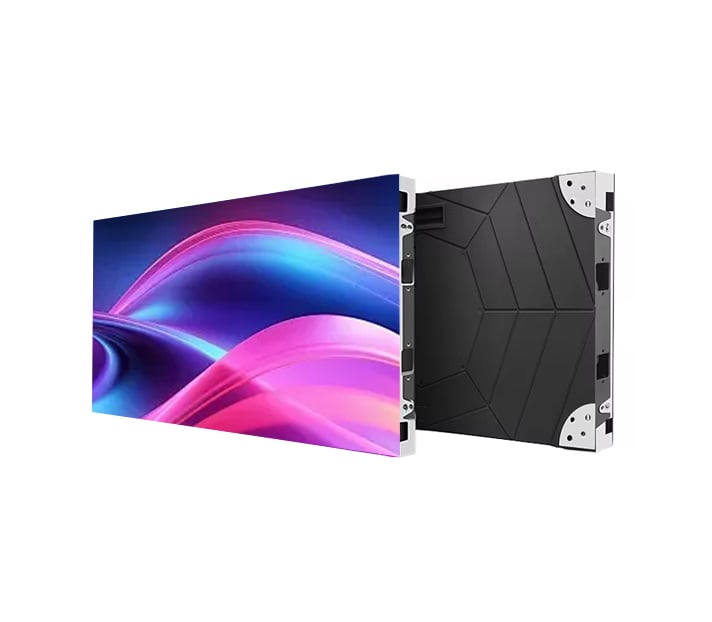
Based on these requirements, a P1.25 fine-pitch indoor LED display was selected.
| Specification | Project Details |
|---|---|
| Application | Indoor fixed corporate display |
| Pixel pitch | P1.25 |
| Screen size | 3.84 m × 1.92 m |
| Display area | 7.37 m² |
| Cabinet quantity | 24 cabinets |
| Cabinet size | 640 × 480 mm |
| LED package | SMD1010 |
| Pixel density | 640,000 pixels/m² |
| Refresh rate | 3840Hz |
| Cabinet material | Die-cast aluminum |
The high pixel density supports detailed corporate content, including:
The 3840Hz refresh rate also provides stable visual performance when the screen is photographed or recorded. Buyers who want to understand this specification can read our explanation of LED display refresh rate and frame rate.
Read the complete P1.25 indoor LED display project for a Ghana corporate office.
In addition to standard indoor displays, Toosen has experience with curved, flexible, spherical and other creative LED structures.
For spherical projects, both module geometry and structural accuracy affect the final 360-degree image. You can learn more about Toosen’s spherical LED display assembly and testing process.
A manufacturer with experience across different applications is generally better prepared to identify technical risks before production begins.
Before selecting a supplier, buyers can use the following checklist:
| Evaluation Item | What to Check |
| Application analysis | Installation environment, viewing distance, content and maintenance |
| Manufacturer identity | Factory information, production equipment and engineering team |
| Product components | LED packages, driver ICs, PCB, power supply and receiving card |
| Cabinet design | Material, precision, flatness, heat transfer and maintenance access |
| Control system | Processor, sending card, receiving card and input compatibility |
| Quality control | Module inspection, cabinet test, aging test and full-screen calibration |
| Project experience | Real specifications, photos, videos and completed applications |
| Overseas support | Warranty, spare parts, documentation and remote guidance |
| Quotation scope | Screen, control system, accessories, packaging and support |
A clear quotation and complete technical proposal should answer most of these questions before an order is placed.
Evaluate the manufacturer’s production capability, engineering experience, component configuration, cabinet design, quality-control process, completed projects and after-sales support. Do not make the decision based only on price.
Pixel pitch is only one specification. Prices can differ because of LED packages, driver ICs, PCB design, power supplies, cabinet materials, control systems, refresh rate, testing standards, accessories and warranty service.
Provide the following information whenever possible:
This information helps the manufacturer recommend a more accurate solution.
Choosing a reliable LED display manufacturer requires more than comparing price and pixel pitch.
Buyers should evaluate the manufacturer’s application experience, components, cabinet design, quality-control process, project history and after-sales support.
Planning an indoor, outdoor or customized LED display project? Toosen with your screen size, installation environment and viewing distance to receive a suitable technical proposal and quotation.
 EN
EN
 AR
AR
 BG
BG
 HR
HR
 CS
CS
 DA
DA
 NL
NL
 FI
FI
 FR
FR
 DE
DE
 EL
EL
 HI
HI
 IT
IT
 JA
JA
 KO
KO
 NO
NO
 PL
PL
 PT
PT
 RO
RO
 RU
RU
 ES
ES
 SV
SV
 TL
TL
 ID
ID
 SR
SR
 UK
UK
 VI
VI
 ET
ET
 HU
HU
 TH
TH
 TR
TR
 FA
FA
 AF
AF
 MS
MS
 GA
GA
 HY
HY
 AZ
AZ
 MN
MN
 UZ
UZ