Home > News > Industry News
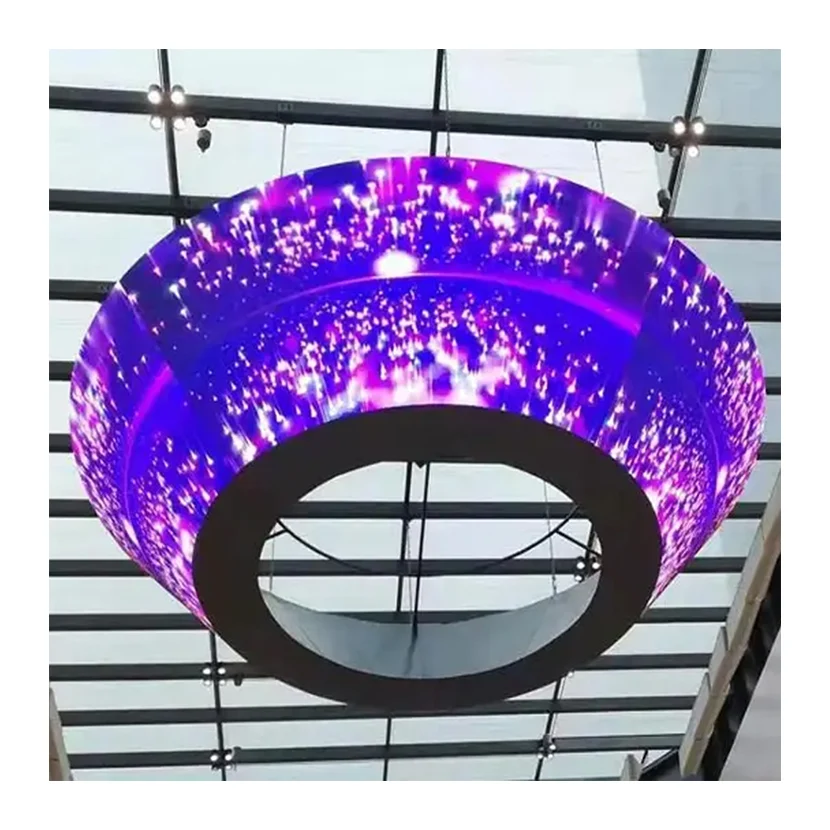
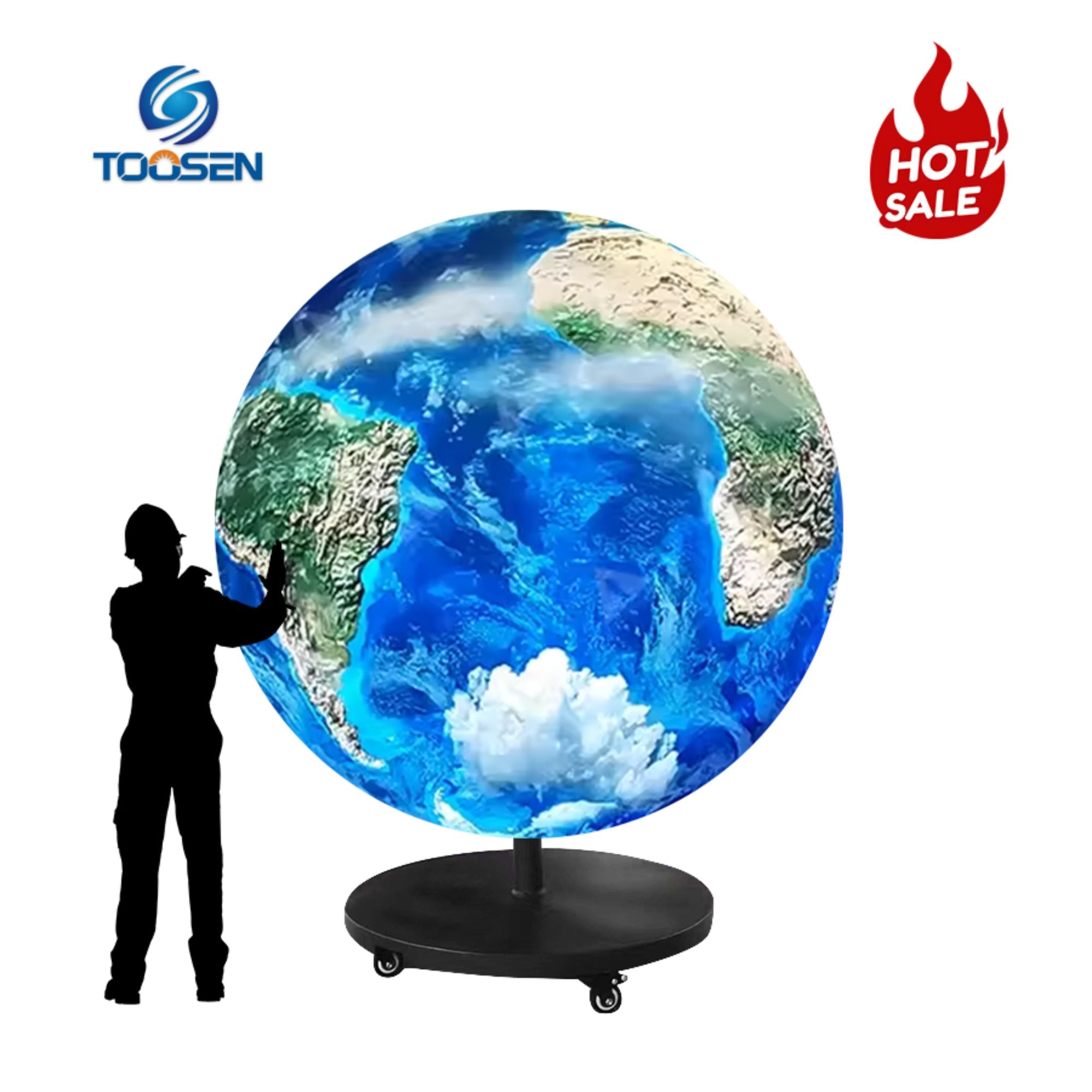
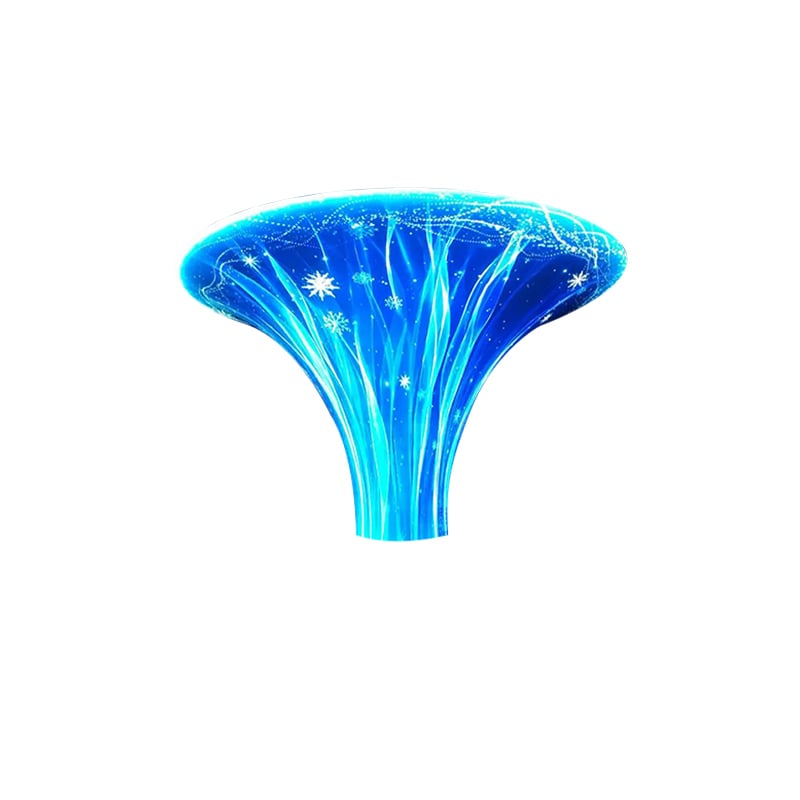
A spherical LED display creates a unique 360-degree visual experience that cannot be achieved by traditional flat LED screens. However, because of its curved surface and multiple viewing angles, maintaining consistent color and brightness becomes more challenging.
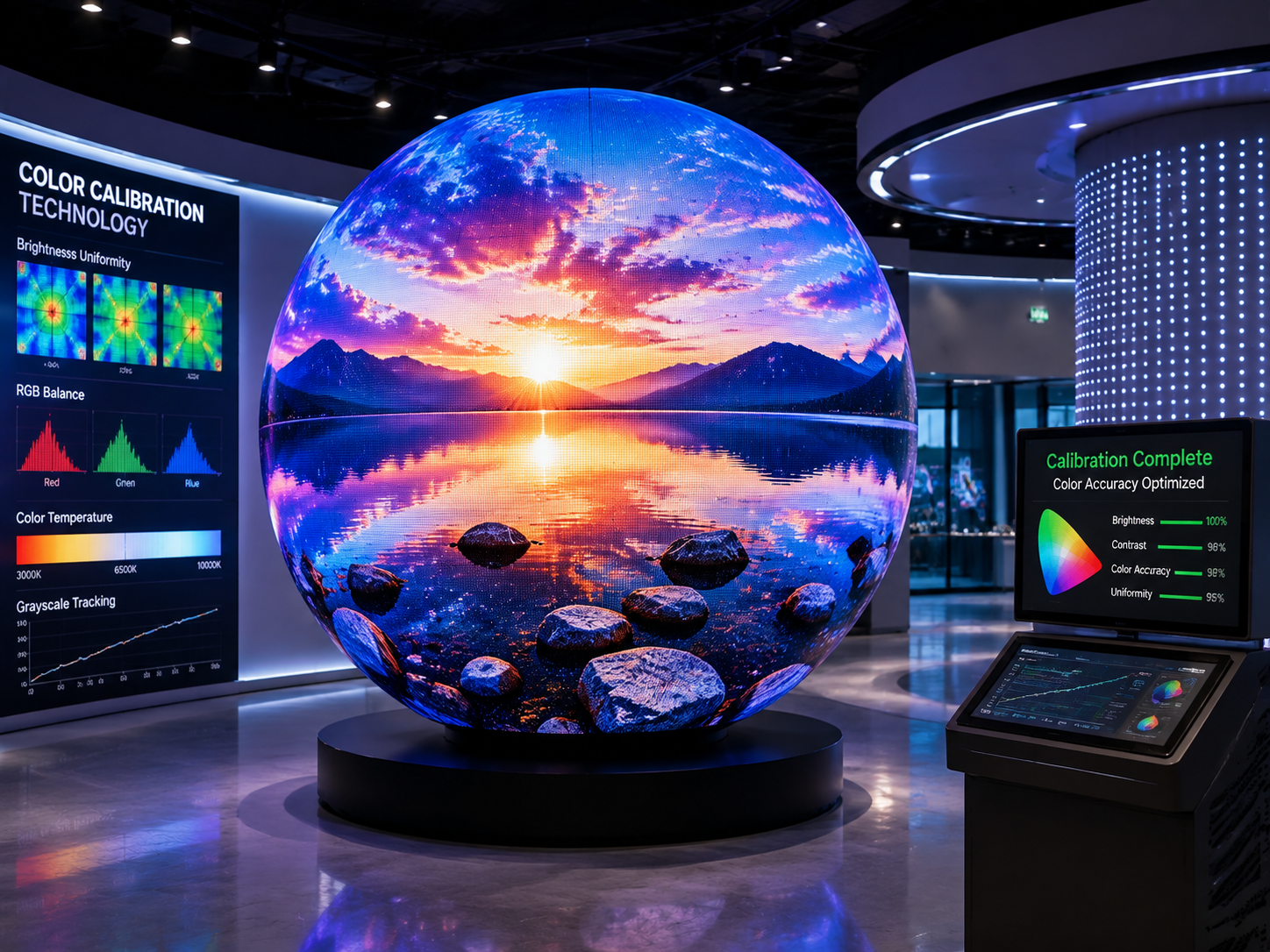
This is why Spherical LED Display Color Calibration is an important technology for achieving smooth images, accurate colors, and long-term display performance.
Unlike standard LED walls, spherical LED screens require advanced calibration methods to ensure every part of the curved surface displays the same brightness and color quality.
Professional calibration technology helps eliminate uneven brightness, color differences, and visual inconsistencies, allowing spherical LED displays to deliver a seamless viewing experience from every direction.
LED color calibration is the process of adjusting the brightness and color output of individual LED pixels to achieve better image consistency.
Every LED display contains thousands or even millions of LED chips. During manufacturing, small differences may occur between LED components, including:
Even LED modules produced from the same batch may have slight differences. Without calibration, these differences can create visible problems such as:
Point-by-point calibration solves these issues by measuring each pixel and applying correction data through the LED control system. Industry calibration methods commonly use cameras, sensors, and specialized software to collect brightness and color information before generating correction parameters.
A traditional LED video wall mainly has a flat structure. Calibration is performed across a two-dimensional surface.
However, a spherical LED display has a completely different structure.
A sphere includes:
Because of these characteristics, brightness and color performance may change depending on the viewing angle.
For example, pixels located on different areas of a sphere may reflect light differently. Without proper calibration, viewers may notice:
Advanced calibration technology helps create a smooth and continuous image across the entire spherical surface.
For hemispherical and spherical LED systems, professional installation requires pixel-level calibration, color adjustment, and geometric correction to maintain visual consistency.
The first step is measuring the brightness and color performance of each LED pixel.
Professional equipment captures:
The collected data shows the difference between individual pixels.
After measurement, the calibration software creates correction coefficients.
These values adjust:
Each pixel receives optimized correction information.
The correction data is uploaded into the LED control system.
After calibration, the spherical LED display can achieve:
For creative LED projects, visual quality is the most important factor.
A calibrated spherical LED display ensures that every area maintains consistent colors, even when viewed from different directions.
This is especially important for:
Many commercial projects require accurate brand colors.
For example:
Color calibration helps ensure that displayed content matches the original design.
Without calibration, viewers may notice visible differences between LED modules.
After calibration:
Spherical LED displays are commonly used in creative environments where image quality is highly visible.
Applications include:
Large spherical LED displays attract customers and create immersive brand experiences.
A high-quality spherical LED screen helps companies create unique exhibition spaces.
Accurate colors and smooth images improve educational and interactive experiences.
360-degree LED displays require stable color performance from every viewing angle.
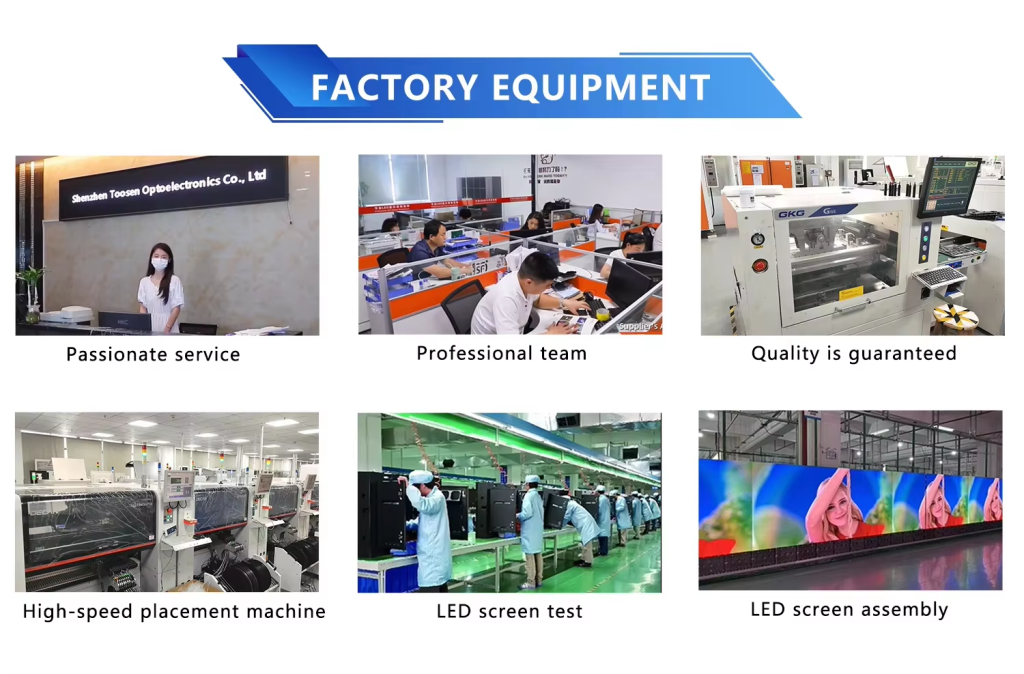
Choosing a spherical LED manufacturer is not only about the shape of the display. Manufacturing technology, calibration ability, product quality, and after-sales support are equally important.
TOOSEN provides customized LED display solutions, including:
TOOSEN focuses on improving visual quality through advanced manufacturing processes, precise module design, and professional calibration technology.
Product advantages include:
TOOSEN spherical LED displays use professional calibration processes to improve brightness uniformity and color accuracy.
Different projects require different viewing distances and screen sizes.
TOOSEN provides customized solutions according to application requirements.
TOOSEN products are supplied to customers worldwide, including:
With overseas project experience, exhibition participation, warehouse support, and professional technical service, TOOSEN helps customers complete creative LED projects more efficiently.
For international customers, after-sales service is an important part of LED display selection.
TOOSEN provides technical support and maintenance services to help customers keep their LED displays operating reliably.
For spherical LED displays, color calibration is not an optional feature. It is a key technology that determines image quality, color accuracy, and long-term performance.
Because spherical screens have complex curved structures and 360-degree viewing requirements, advanced calibration technology is essential for achieving seamless visual effects.
By combining customized design, professional calibration, and global service capability, TOOSEN provides reliable spherical LED display solutions for customers around the world.
Looking for a customized spherical LED display solution?
Contact TOOSEN to discuss your project requirements and receive professional technical support.
Because spherical LED screens have curved surfaces and multiple viewing angles, calibration ensures consistent brightness and accurate colors across the entire display.
Point-by-point calibration measures individual LED pixels and adjusts brightness and RGB values to improve screen uniformity.
 EN
EN
 AR
AR
 BG
BG
 HR
HR
 CS
CS
 DA
DA
 NL
NL
 FI
FI
 FR
FR
 DE
DE
 EL
EL
 HI
HI
 IT
IT
 JA
JA
 KO
KO
 NO
NO
 PL
PL
 PT
PT
 RO
RO
 RU
RU
 ES
ES
 SV
SV
 TL
TL
 ID
ID
 SR
SR
 UK
UK
 VI
VI
 ET
ET
 HU
HU
 TH
TH
 TR
TR
 FA
FA
 AF
AF
 MS
MS
 GA
GA
 HY
HY
 AZ
AZ
 MN
MN
 UZ
UZ