Home > News > Industry News
To run a complete LED display system, you need more than just the screen itself. A fully functional setup requires several interconnected components that handle video input, signal processing, power distribution, and final display output.
In most cases, a standard LED display system includes five core categories of equipment. Each plays a specific role in ensuring stable and high-quality performance.
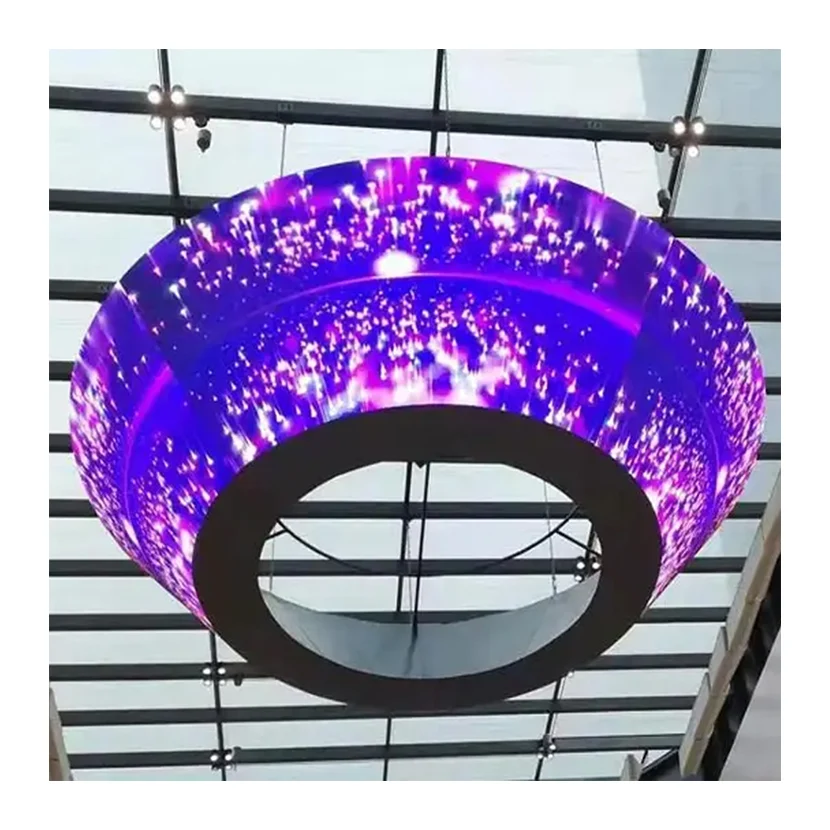
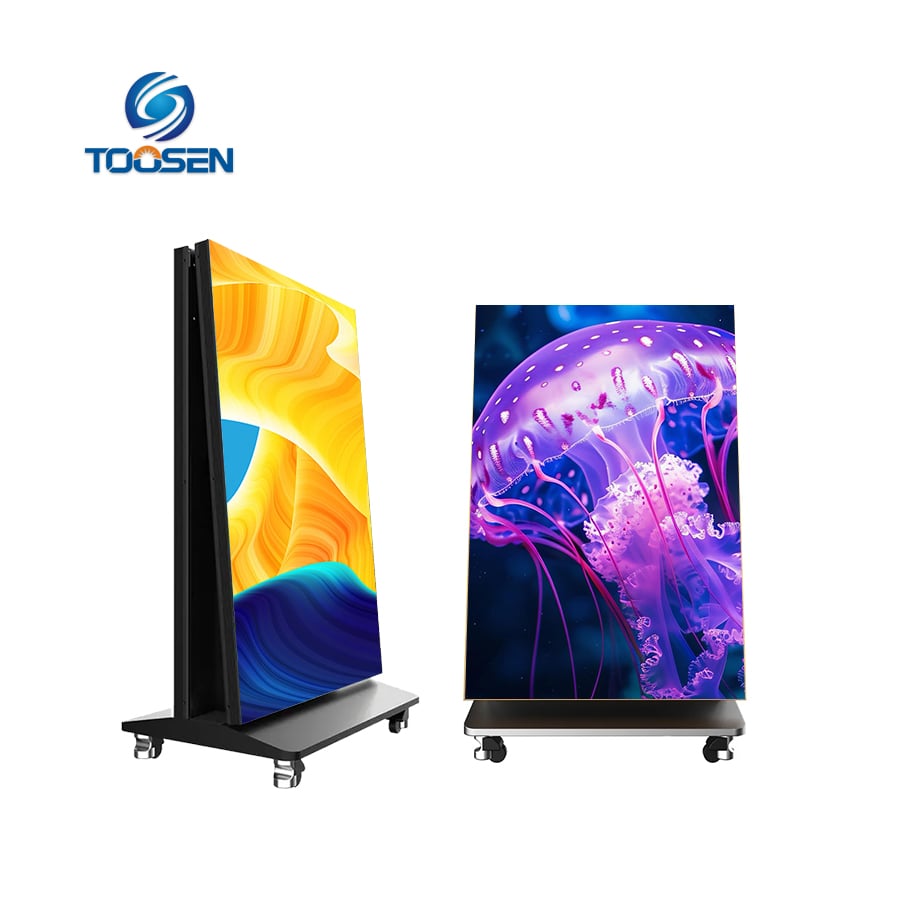
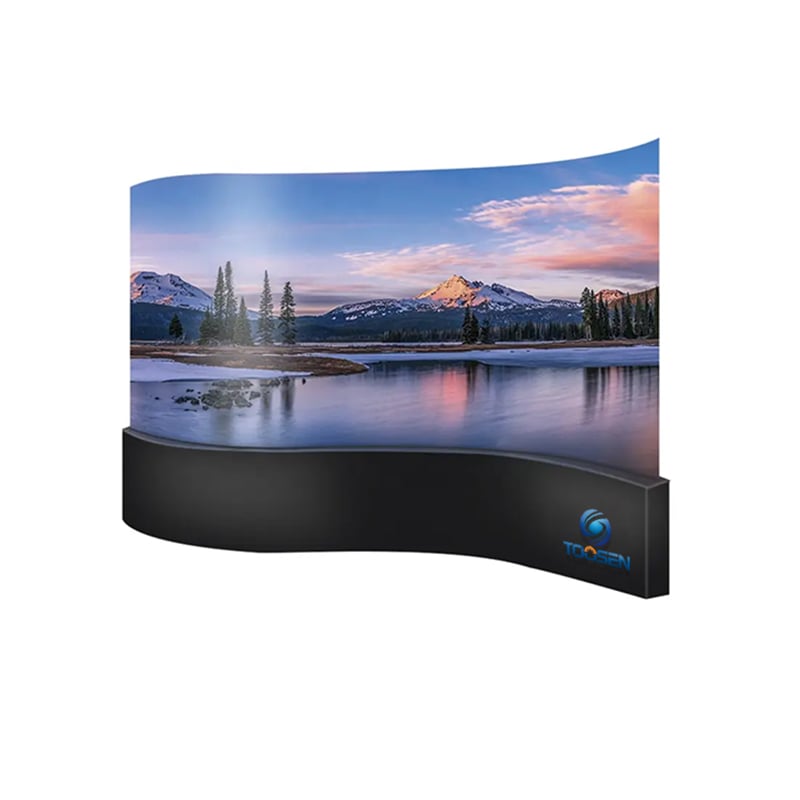
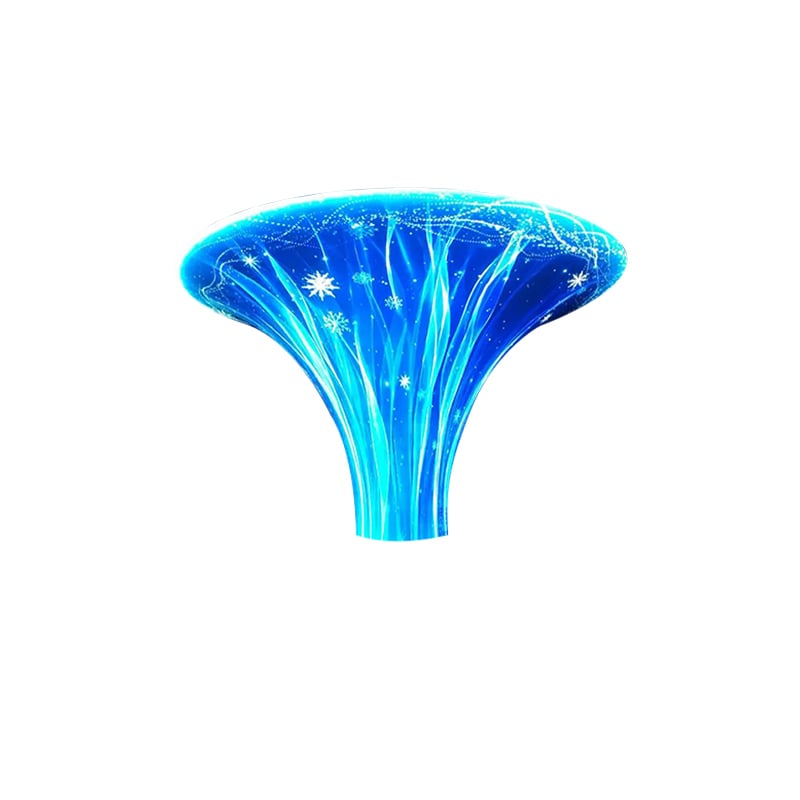
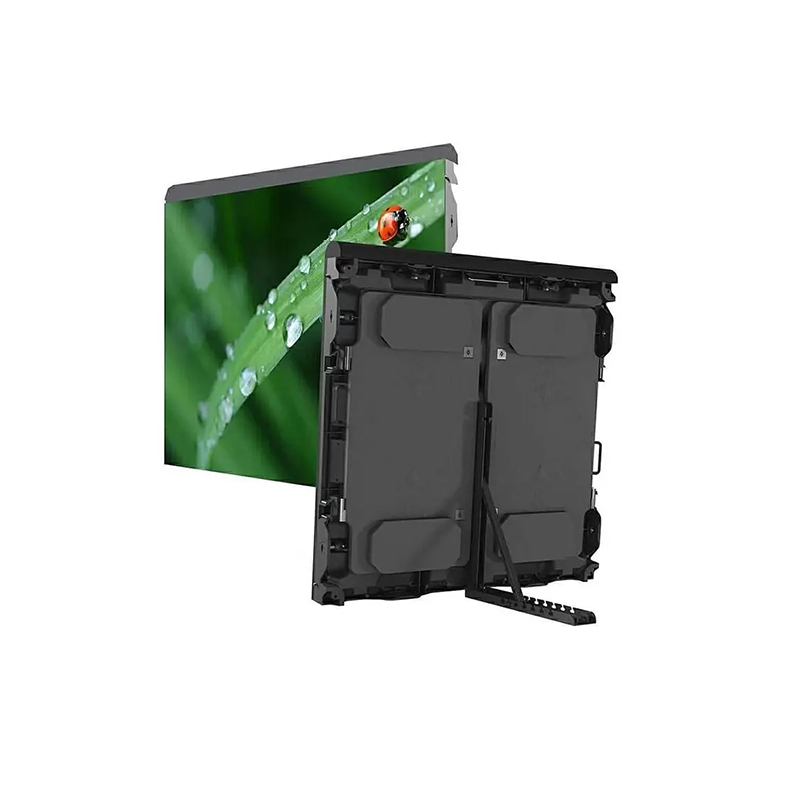
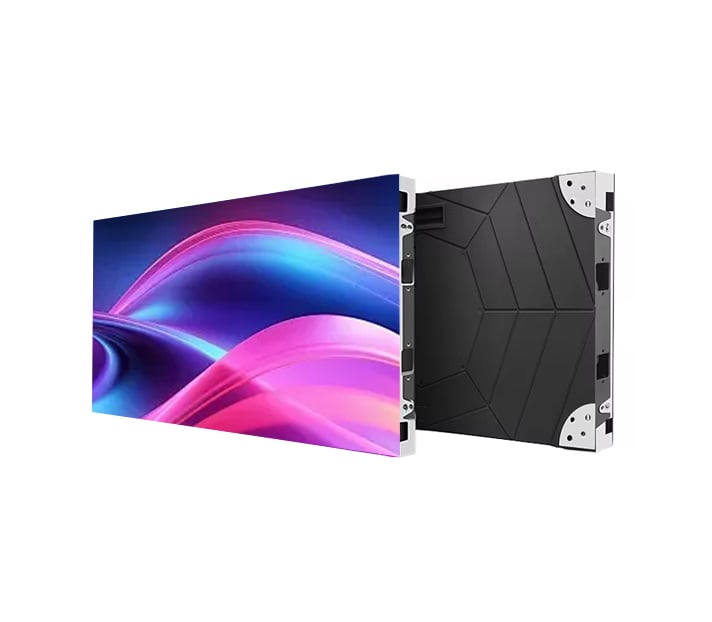
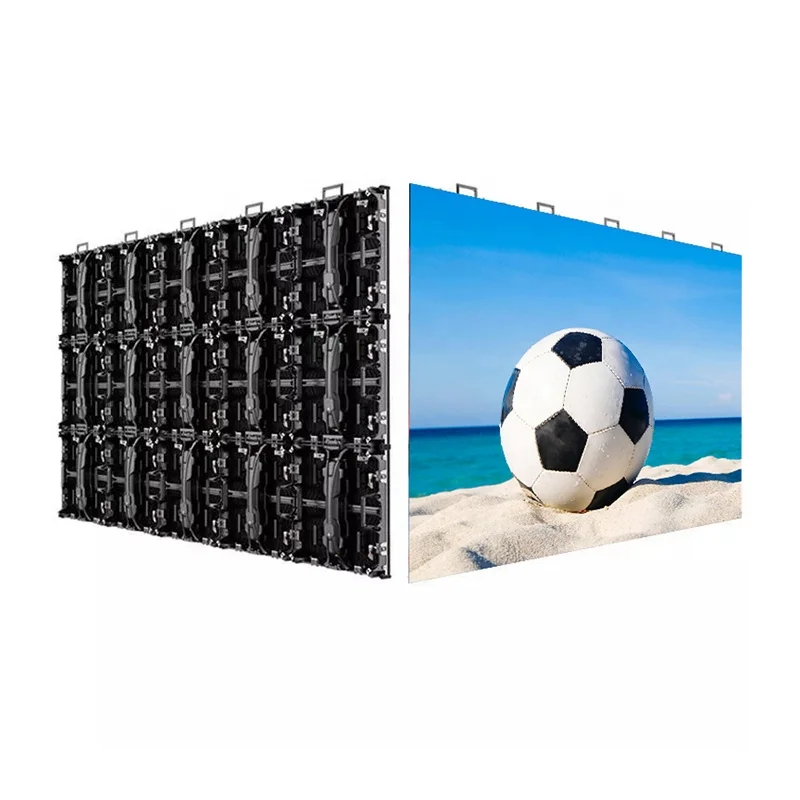
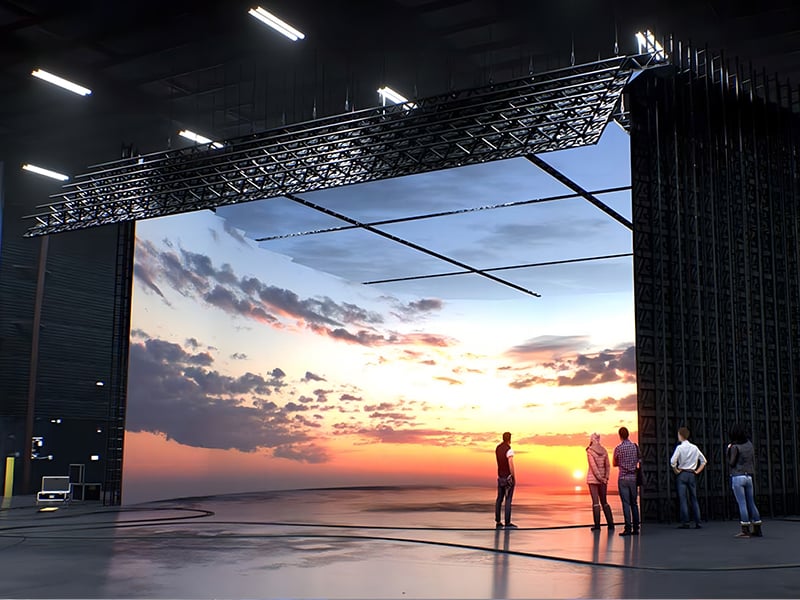
The LED display screen is the most visible part of the system. It consists of multiple LED modules assembled into cabinets or mounted onto a structural frame.
Each module contains LED beads that produce images by controlling brightness and color. When combined, these modules form a seamless display surface capable of showing video, graphics, and text content.
The control system acts as the “brain” of the LED screen. It ensures that video signals are properly transmitted and accurately displayed.
Together, these components guarantee synchronized and precise image rendering across the entire screen.
Before content reaches the LED screen, the system must process and optimize the signal.
This stage ensures that the content fits perfectly on the screen without distortion or mismatch.
LED displays consume significant power, so a dedicated electrical system is essential.
A reliable power system not only protects equipment but also ensures consistent brightness and performance.
Cabling connects all system components and enables both power delivery and data transmission.
Proper cable selection and management are critical for signal stability and system reliability.
A typical LED display system follows a clear signal path:
Computer (Content Source) → Video Processor (Signal Processing) → Sending Box (Signal Conversion) → Network Cable (Transmission) → LED Display (Output)
For smaller or simpler setups, manufacturers often combine the video processor and sending box into a single unit to reduce complexity and cost.
An LED display system is a coordinated network of hardware components rather than a single device. Each element—from signal input to final display—plays a vital role in delivering high-quality visuals.
If you design the system correctly and choose reliable components, you can achieve stable performance, flexible content control, and long-term operational efficiency.
 EN
EN
 AR
AR
 BG
BG
 HR
HR
 CS
CS
 DA
DA
 NL
NL
 FI
FI
 FR
FR
 DE
DE
 EL
EL
 HI
HI
 IT
IT
 JA
JA
 KO
KO
 NO
NO
 PL
PL
 PT
PT
 RO
RO
 RU
RU
 ES
ES
 SV
SV
 TL
TL
 ID
ID
 SR
SR
 UK
UK
 VI
VI
 ET
ET
 HU
HU
 TH
TH
 TR
TR
 FA
FA
 AF
AF
 MS
MS
 GA
GA
 HY
HY
 AZ
AZ
 MN
MN
 UZ
UZ