From Parts to Perfection: How Toosen Assembles Spherical LED Displays
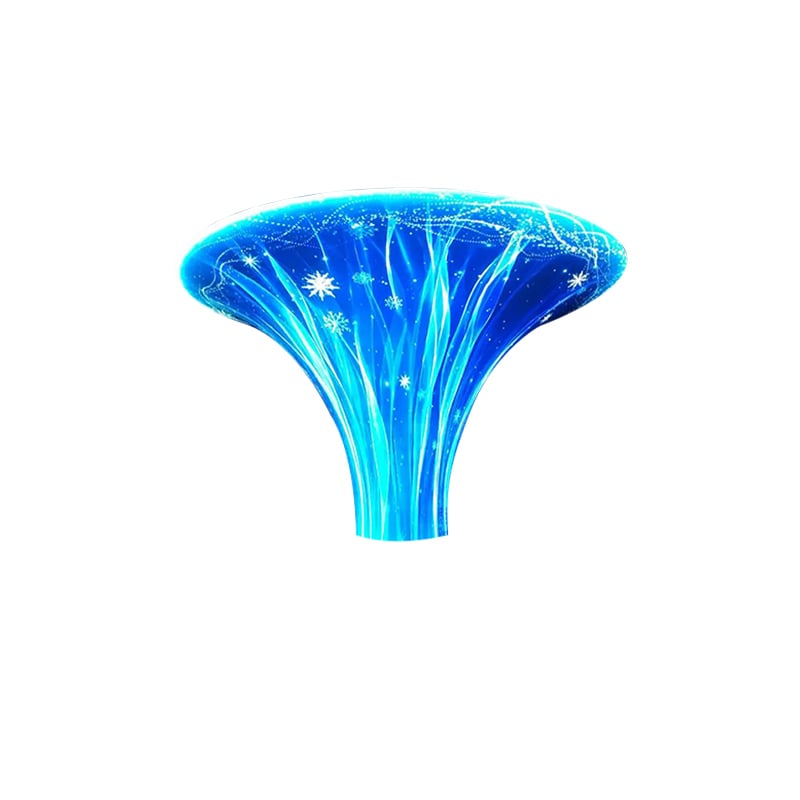
Every spherical LED display starts as a pile of components. Aluminum extrusions. Flexible PCBs. LED modules. Power supplies. Hundreds of cables. Thousands of solder points.
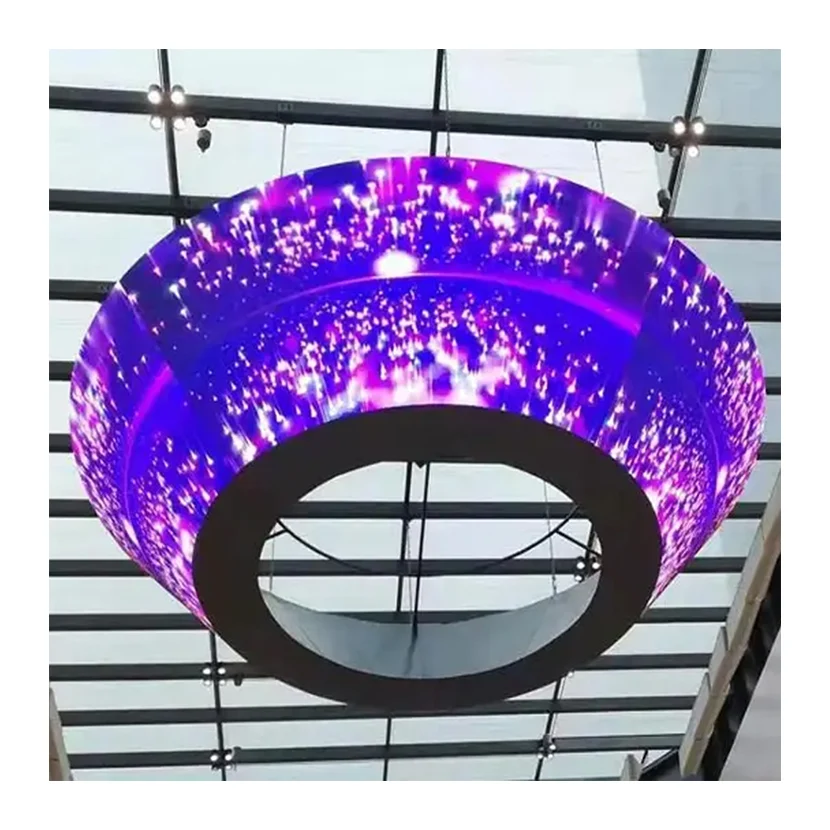
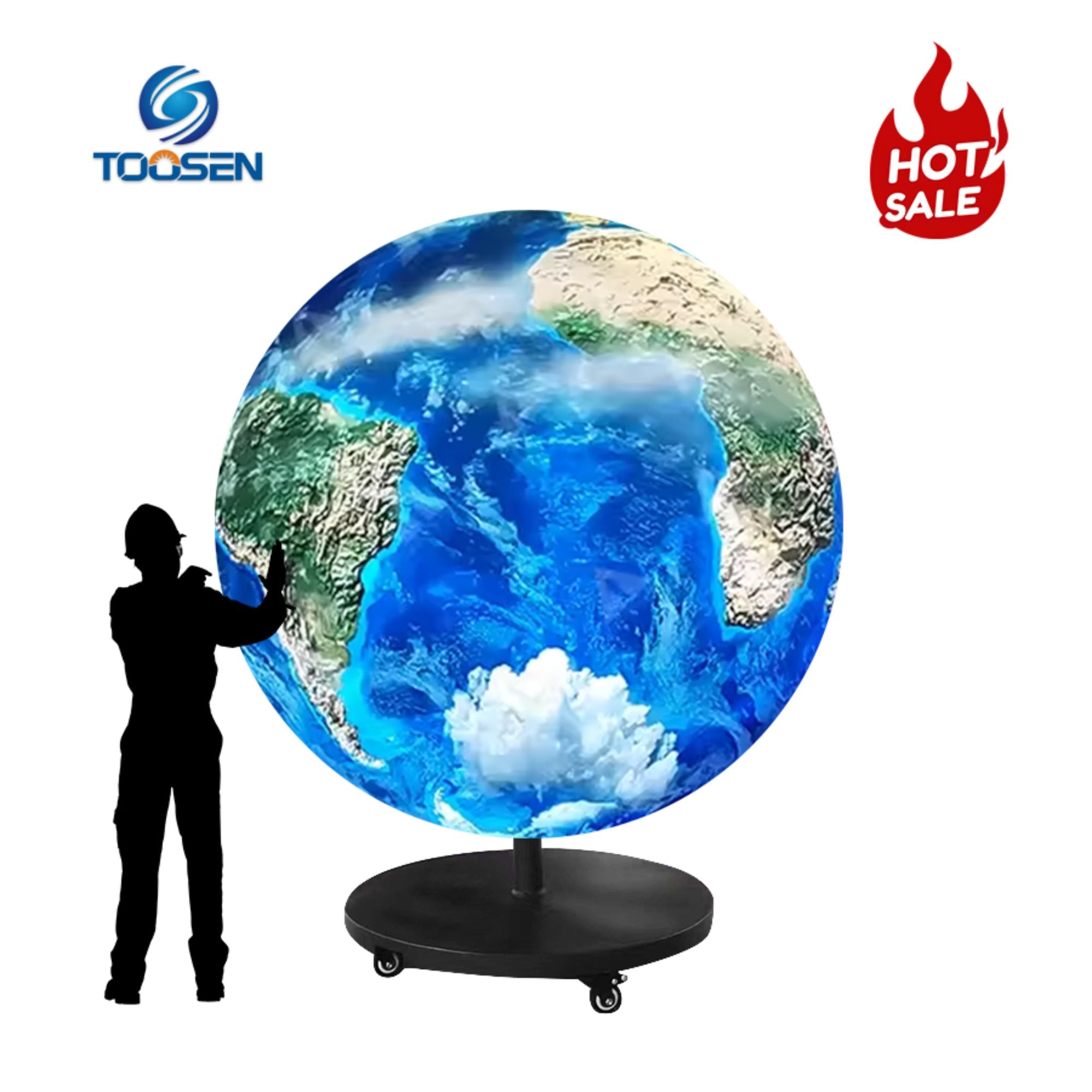
What emerges — after hours of precision work — is a seamless, 360° visual experience that captivates audiences in shopping malls, concert stages, and public landmarks around the world.
Here's how Toosen LED turns parts into perfection.
Step 1: The Frame — Building the Skeleton
The frame is the foundation. If it's not perfect, nothing else will be.
Toosen uses lightweight aluminum alloy frames engineered for both strength and precision. Each segment is cut and curved to exact specifications, ensuring that when assembled, the frame forms a true sphere.
For larger spheres, a modular frame design allows for faster assembly and easier maintenance. The frame must be strong enough to support the weight of hundreds of LED modules while remaining light enough for safe suspension. This is why Toosen's engineering team invests significant time in structural calculations before any physical assembly begins.
Step 2: The Modules — Precision on a Curve
Standard flat LED modules don't work on spheres. Toosen uses trapezoidal flexible PCB-based modules that can bend to follow the sphere's curvature.
Each module is specially cut and shaped to fit its specific position on the sphere. This is painstaking work — a module that's even slightly off will break the visual flow. Technicians attach each module one by one, carefully checking alignment at every step.
The goal is seamless splicing: no gaps, no edge lifting, no glue failure. This is what gives a Toosen spherical display its signature smooth, uninterrupted surface.
Step 3: The Wiring — The Nervous System
With modules in place, the internal cabling goes in. Power supplies, data cables, control systems — this is the display's nervous system.
Good cable management isn't just about neatness. It's about reliability. Loose or poorly routed cables can lead to failures down the line. Toosen technicians follow strict routing protocols to ensure every connection is clean, secure, and protected.
For outdoor spheres, additional weatherproofing is applied at this stage to protect against moisture and temperature extremes.
Step 4: First Light — The Moment of Truth
Before any sphere leaves the factory, it's fully assembled and powered on.
This is where the magic happens — and where the real work begins. The calibration team adjusts brightness, color balance, and uniformity across every pixel on the sphere. It's painstaking work, but it's what separates a good display from a great one.
Toosen's calibration process ensures that every pixel performs identically, creating a seamless visual experience from any angle.
Step 5: Testing — If It Doesn't Pass, It Doesn't Ship
Every Toosen sphere undergoes rigorous testing before shipping: brightness uniformity, color accuracy, refresh rate, structural integrity. For outdoor spheres, waterproofing is tested. For rental spheres, durability is verified.
If it doesn't pass, it doesn't ship. No exceptions.
Why This Matters
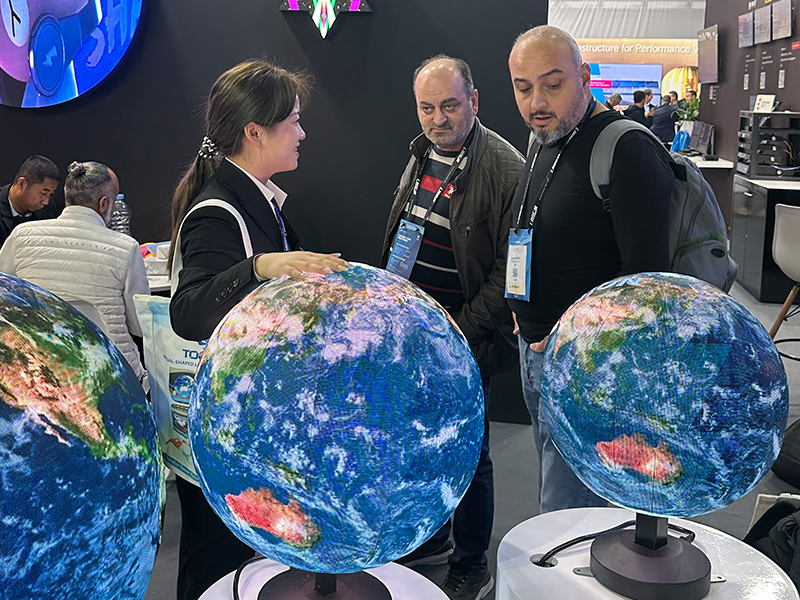
When you see a Toosen sphere in a shopping mall or on a concert stage, you're not just looking at a screen. You're looking at hours of precision engineering, skilled craftsmanship, and rigorous quality control.
That's the Toosen difference.
To explore more about spherical LED display applications, visit toosled.com for case studies and real-world installations. For brand and product information, visit toosen.com.
About Toosen LED
Toosen LED is a global manufacturer specializing in spherical, irregular, and creative LED displays. The company serves retail, exhibition, cultural tourism, stage, and event applications worldwide.
Main Website: www.toosenled.com
Application Cases: www.toosled.com
Brand Center: www.toosen.com
YouTube: Toosen LED Display
Facebook: Toosen LED
Email: andy@toosen.com
For more information, please visit www.toosenled.com or contact our sales team at andy@toosen.com.
 EN
EN
 AR
AR
 BG
BG
 HR
HR
 CS
CS
 DA
DA
 NL
NL
 FI
FI
 FR
FR
 DE
DE
 EL
EL
 HI
HI
 IT
IT
 JA
JA
 KO
KO
 NO
NO
 PL
PL
 PT
PT
 RO
RO
 RU
RU
 ES
ES
 SV
SV
 TL
TL
 ID
ID
 SR
SR
 UK
UK
 VI
VI
 ET
ET
 HU
HU
 TH
TH
 TR
TR
 FA
FA
 AF
AF
 MS
MS
 GA
GA
 HY
HY
 AZ
AZ
 MN
MN
 UZ
UZ