Home > News > Industry News
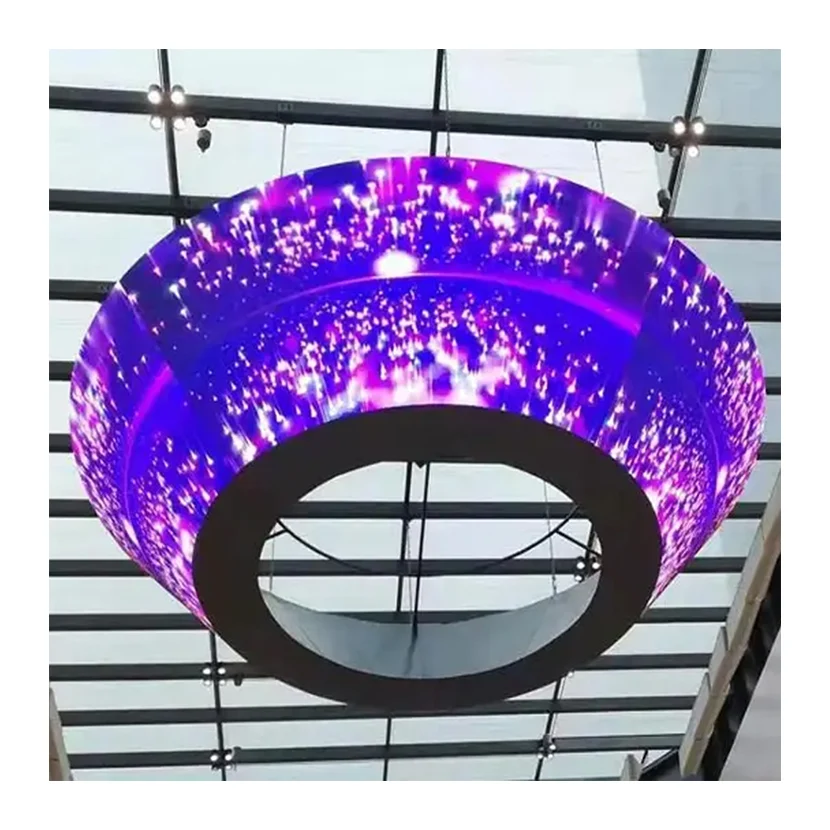
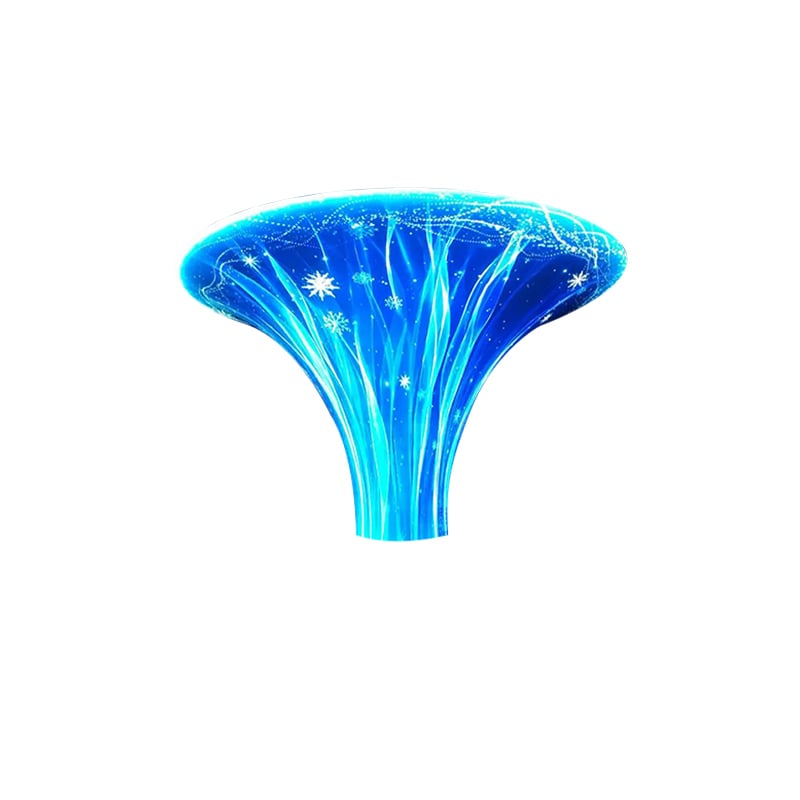
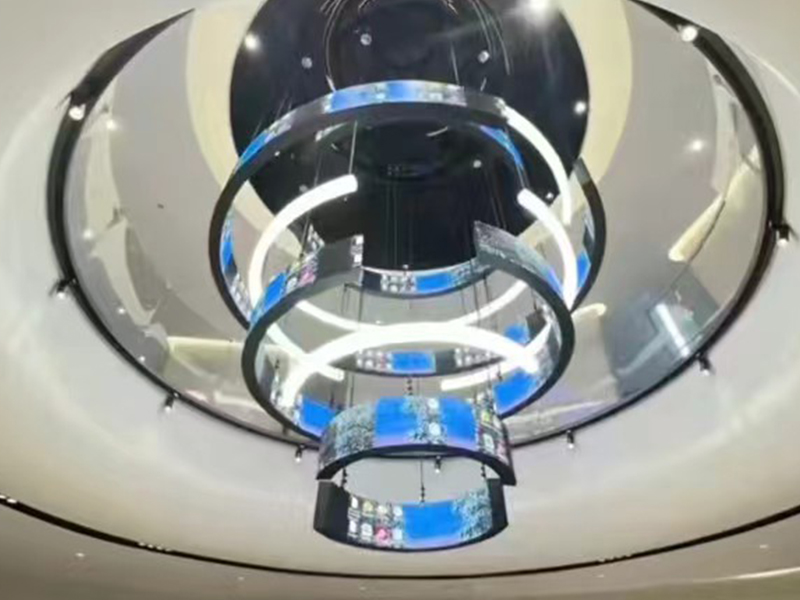
Ring LED displays have become increasingly popular in retail stores, shopping malls, exhibitions, airports, and brand showrooms thanks to their unique circular design and strong visual impact. However, unlike conventional rectangular LED screens, ring LED displays often feature custom-shaped cabinets, curved structures, and specialized modules, making them more vulnerable to improper handling and environmental stress.
To maximize lifespan and maintain optimal display performance, it is important to understand the common behaviors and conditions that can damage a ring LED screen.
Physical damage remains one of the leading causes of ring LED display failures.
Because ring-shaped screens rely on curved cabinets or specially designed modules, excessive force can easily affect their structural integrity.
Common damaging behaviors include:
These impacts can cause:
Even minor structural distortion can create visible gaps and affect the seamless circular appearance of the display.
Many ring LED displays use flexible LED modules to create smooth curves. While these modules offer excellent adaptability, they still have defined bending limits.
Installers sometimes force modules beyond their recommended curvature radius in an attempt to achieve tighter circles or unique shapes.
This can result in:
Always follow the manufacturer's specified bending radius and installation guidelines.
Power-related problems are among the fastest ways to damage an LED display.
Ring LED screens require stable voltage and current levels. Using incompatible power supplies can immediately affect performance and reliability.
Potential risks include:
Excessive voltage may:
Excessive current generates additional heat and accelerates component aging.
Connecting positive and negative terminals incorrectly can instantly destroy electronic components.
Before powering the screen, always verify wiring connections and power specifications.
Many technicians underestimate the dangers of static electricity.
During installation or maintenance, electrostatic discharge can damage sensitive semiconductor components without leaving visible signs.
ESD can cause:
To minimize risks:
Turning a ring LED display on and off repeatedly within short periods creates electrical stress throughout the system.
Each startup generates an inrush current that affects:
Over time, frequent power cycling accelerates component wear and reduces overall reliability.
Whenever possible, follow scheduled operating periods instead of repeatedly switching the display on and off.
Heat is one of the biggest enemies of any LED display.
Although LEDs are highly efficient, they still generate significant heat during operation. If this heat cannot escape effectively, performance will gradually deteriorate.
Consequences of overheating include:
Ring LED displays installed in enclosed decorative structures often face greater heat management challenges because airflow is limited.
Proper ventilation and thermal design are essential for long-term stability.
Even with adequate cooling, extremely hot environments can shorten the lifespan of a ring LED screen.
Common high-temperature scenarios include:
When internal temperatures remain elevated for extended periods, LED degradation accelerates significantly.
For outdoor ring displays, manufacturers often recommend high-efficiency cooling systems and temperature-monitoring solutions.
Water and electronics never mix.
Unless specifically designed with waterproof protection, ring LED displays can suffer serious damage from moisture.
Potential sources include:
Water intrusion may cause:
For outdoor applications, choose displays with appropriate IP-rated protection and regularly inspect sealing components.
Certain environments contain chemicals that gradually attack metal components inside LED displays.
Examples include:
Corrosion can affect:
Over time, this leads to intermittent failures and reduced system reliability.
Protective coatings and corrosion-resistant materials help reduce these risks.
Ultraviolet radiation can gradually degrade LED display materials.
Prolonged UV exposure may cause:
Outdoor ring LED displays should use UV-resistant materials and protective coatings to maintain long-term visual quality.
Many operators assume maximum brightness delivers the best visual performance at all times.
In reality, running a display at 100% brightness continuously creates unnecessary stress.
This practice increases:
Instead, adjust brightness according to ambient lighting conditions. Intelligent brightness control systems can significantly extend display lifespan.
Ring LED displays often rely on specialized pixel mapping and customized control configurations.
Using incompatible controllers or incorrect signal settings may cause:
Always verify compatibility between:
before system commissioning.
Poor maintenance practices can damage both the electronic and optical components of a ring LED screen.
Common mistakes include:
Strong solvents such as acetone or highly corrosive cleaners may:
Cleaning a live display increases the risk of:
Always disconnect power before performing maintenance.
A ring LED display is more than just a standard LED screen arranged in a circle. Its custom structure, curved modules, and unique installation requirements demand extra care throughout transportation, installation, operation, and maintenance.
To ensure long-term reliability, avoid physical impacts, use properly matched power supplies, maintain adequate cooling, protect the screen from moisture and corrosion, and follow recommended operating procedures. By taking these precautions, you can significantly extend the lifespan of your ring LED display while preserving its brightness, color consistency, and overall visual performance.
 EN
EN
 AR
AR
 BG
BG
 HR
HR
 CS
CS
 DA
DA
 NL
NL
 FI
FI
 FR
FR
 DE
DE
 EL
EL
 HI
HI
 IT
IT
 JA
JA
 KO
KO
 NO
NO
 PL
PL
 PT
PT
 RO
RO
 RU
RU
 ES
ES
 SV
SV
 TL
TL
 ID
ID
 SR
SR
 UK
UK
 VI
VI
 ET
ET
 HU
HU
 TH
TH
 TR
TR
 FA
FA
 AF
AF
 MS
MS
 GA
GA
 HY
HY
 AZ
AZ
 MN
MN
 UZ
UZ