Home > News > Industry News
Walk down Fifth Avenue or New Bond Street, and you will notice a drastic shift in luxury storefront design. High-end fashion houses, premium watchmakers, and luxury automotive brands no longer rely solely on static mannequins or standard glass windows to lure buyers. Instead, they are turning their storefronts into dynamic digital art installations.
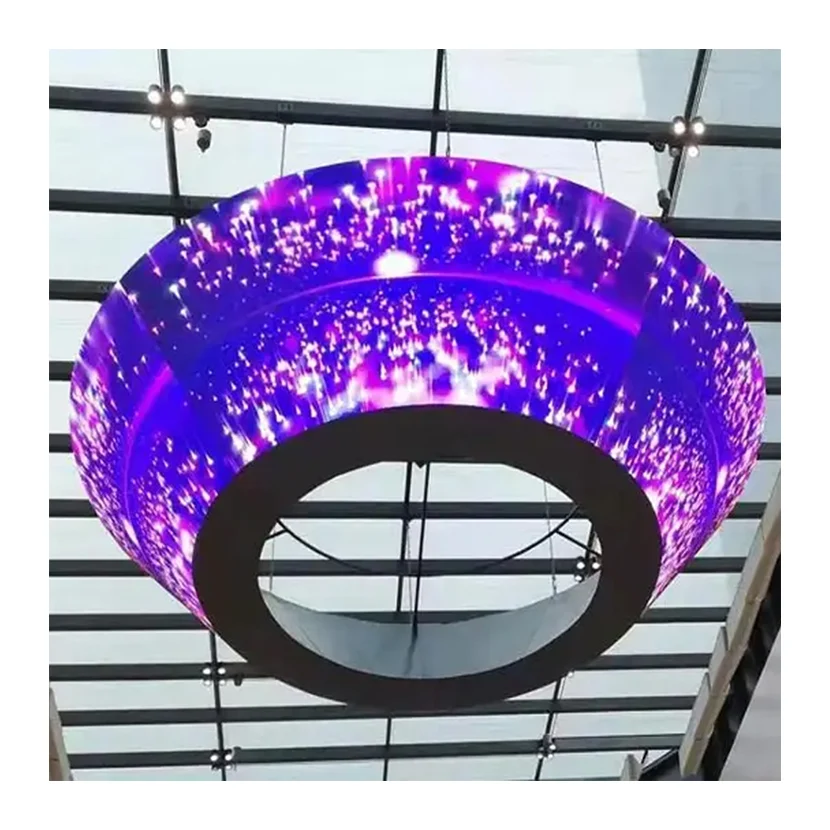
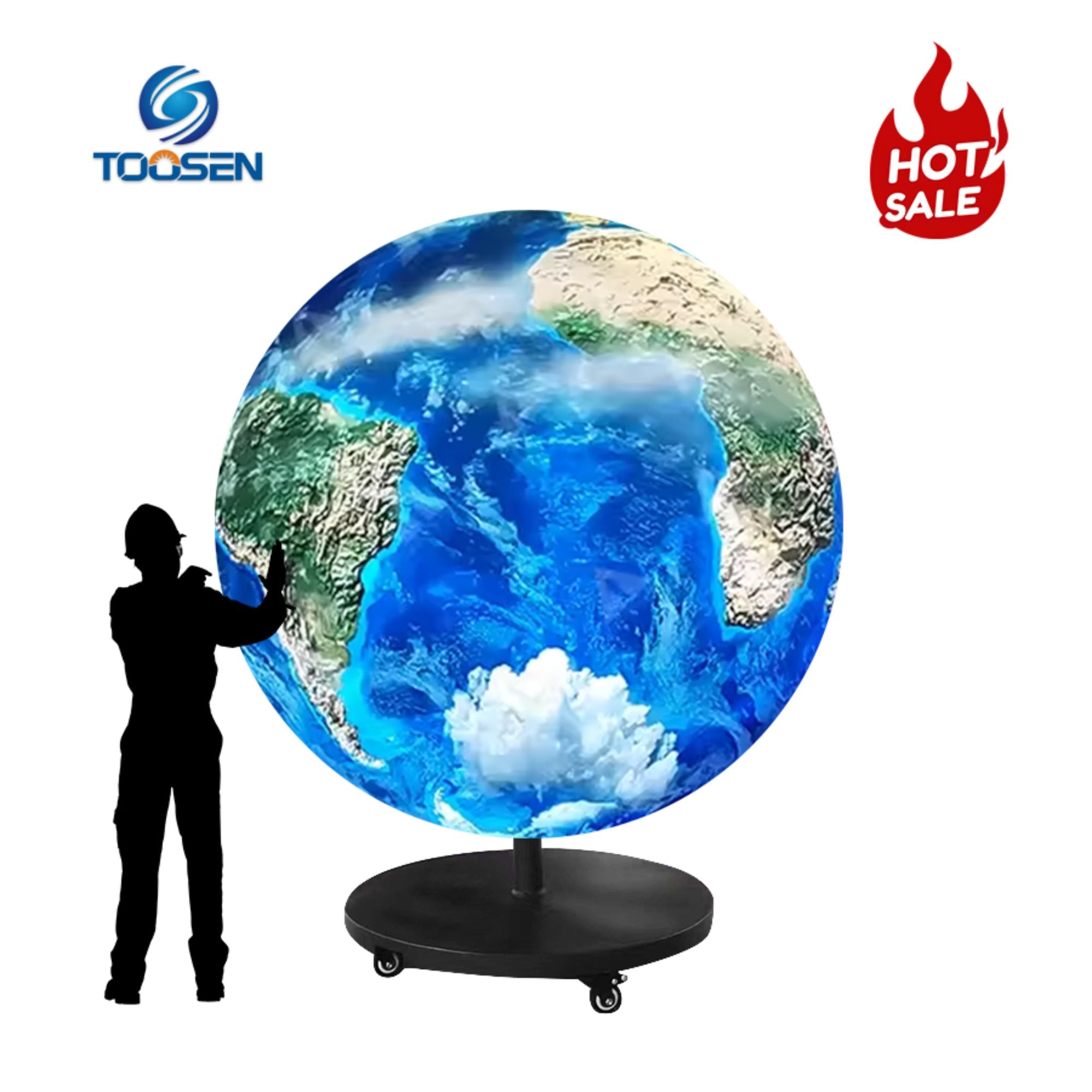
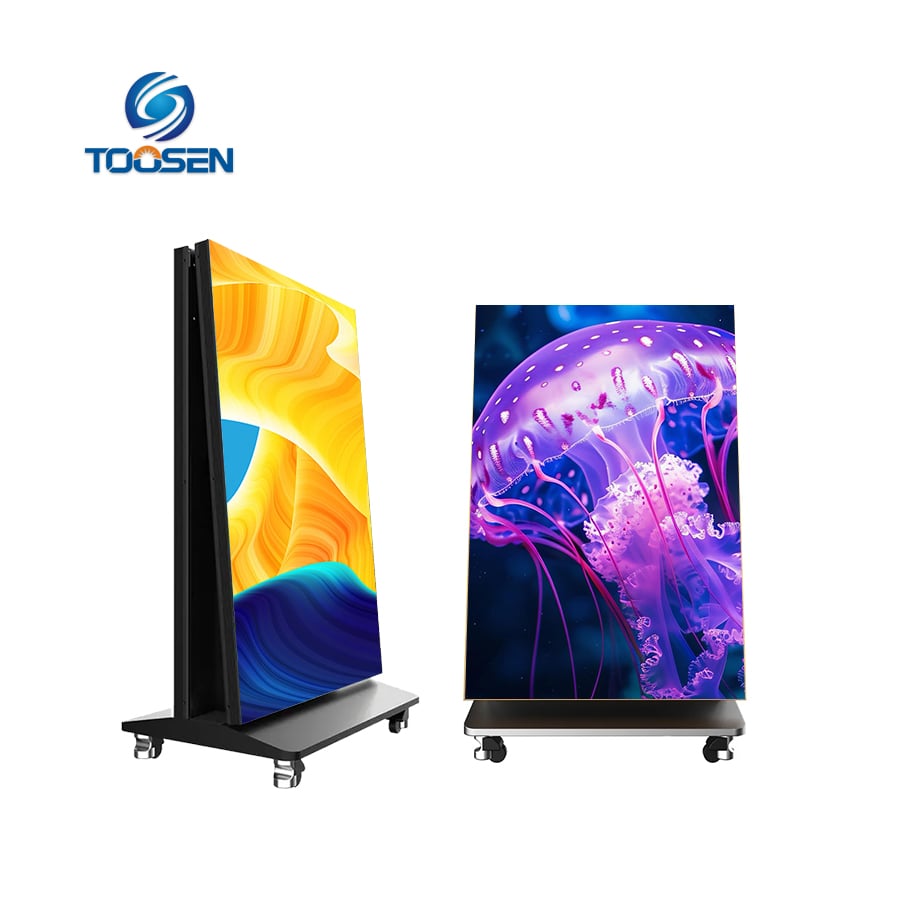
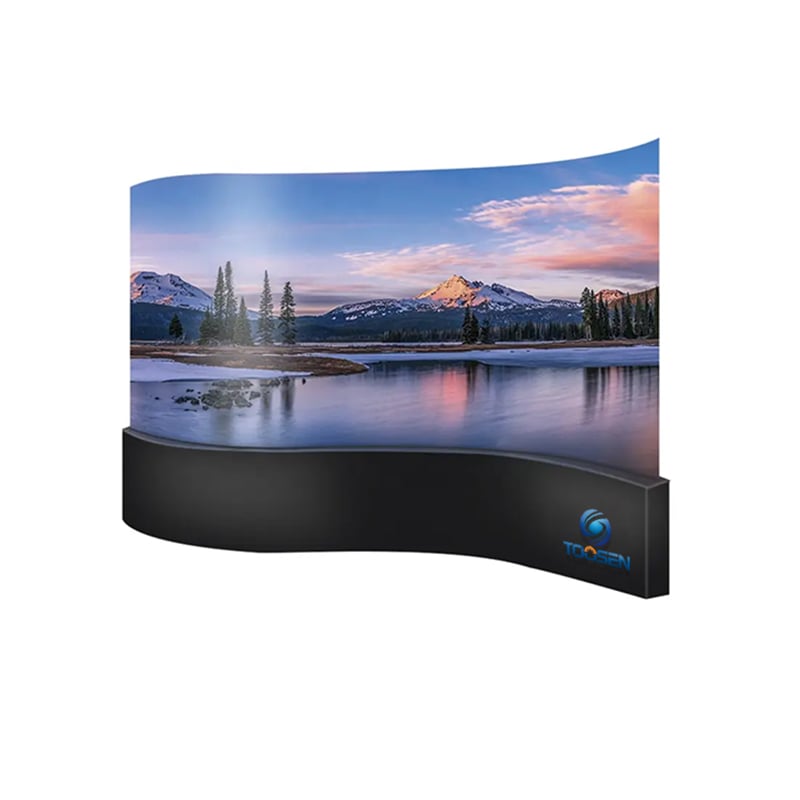
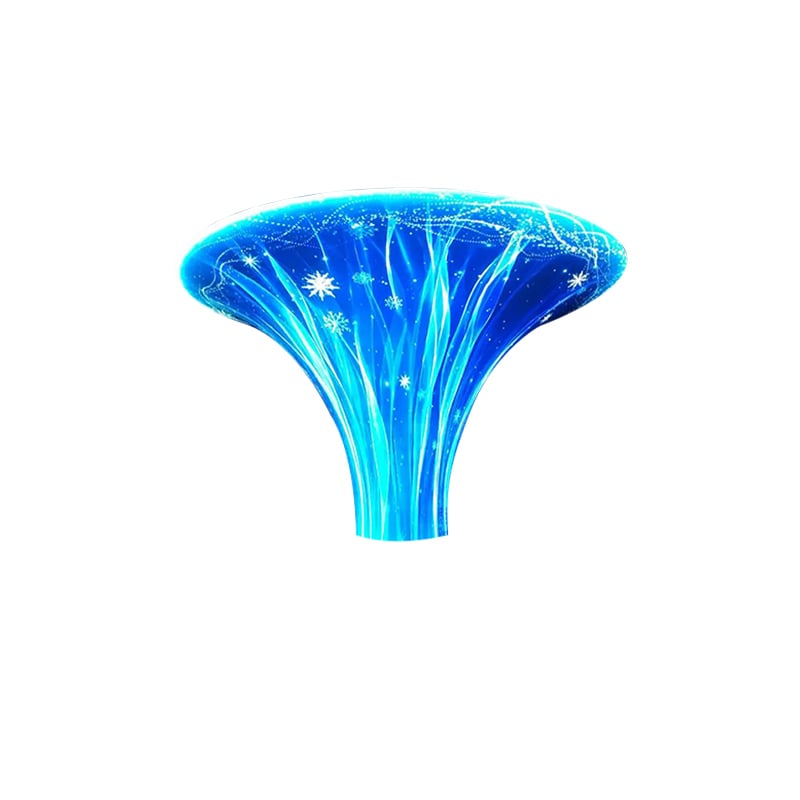
At the center of this revolution is the mechanical rotating LED screen. By breaking the static limitations of traditional digital signage, these kinetic, multi-layered towers combine physical motion with ultra-high-definition visuals.
But why are luxury brands investing tens of thousands of dollars in this specific technology? The answer is simple: it dramatically drives premium foot traffic. Here is exactly how mechanical rotating LED screens transform casual passersby into loyal boutique customers.
Human psychology dictates that our eyes naturally track movement. While standard flat screens blend into the noisy urban backdrop, a physical screen that splits, twists, and rotates instantly commands attention.
Mechanical rotating screens usually feature multiple horizontal layers that spin independently on a 360-degree axis. When a luxury brand displays a new seasonal collection, the physical screen sections can twist in synchronization with the digital fabric flowing on screen. This harmony of mechanics and digital art stops pedestrians in their tracks. By extending this dwell time outside the shop window, the screen creates a psychological bridge that invites people to take the next step: entering the store.
Mass retail uses bright, flashing screens to shout promotional discounts at consumers. Luxury retail, however, communicates through prestige, architectural harmony, and controlled curiosity.
Premium rotating displays seamlessly align with this high-end design language. Manufacturers engineer these towers using precise, industrial-grade steel and die-cast aluminum, ensuring the gaps between the moving display layers remain under 1.5mm. Furthermore, advanced AI algorithms ensure that no matter how fast the screens spin, the displayed content always remains perfectly upright and beautifully calibrated. This level of technical sophistication reinforces the brand’s positioning as an innovative, avant-garde leader.
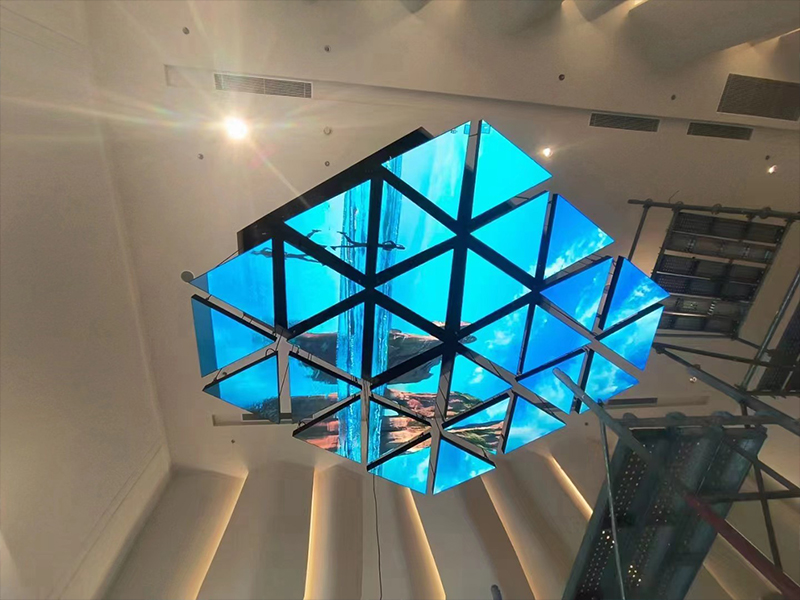
Luxury real estate in premium shopping districts comes at a massive premium. Boutique designers must make every square inch count. Traditional double-sided screens offer fixed viewing angles, but a multi-layer rotating LED tower optimizes the entire spatial geometry.
Because the screen can spin seamlessly, it broadcasts high-definition media to 360 degrees of the showroom. A single rotating tower placed at a boutique entrance can face the street window to pull people inside during the day, and then pivot inward during a private VIP evening event to serve as an interactive product backdrop. This multi-functional capability delivers massive marketing value without cluttering the store's minimalist architecture.
In the modern retail ecosystem, driving foot traffic isn't just about the people physically walking past your store—it is also about digital amplification. Millennial and Gen-Z luxury consumers constantly hunt for "shareable," high-end lifestyle content.
A mesmerizing, kinetic 3D wave display or a rotating DNA tower serves as the ultimate backdrop for Instagram, TikTok, and Xiaohongshu content. When shoppers record these moving installations and tag the boutique location, they generate organic, hyper-targeted social proof. This viral loop creates a sense of FOMO (Fear of Missing Out), prompting online followers to physically visit the flagship store to witness the kinetic installation firsthand.
Luxury purchases are deeply emotional, driven by the narrative behind the product. Mechanical screens allow brands to tell complex stories that sync directly with the physical products displayed right next to them.
For example, a luxury watch brand can synchronize a rotating curved LED screen with a physical timepiece on a pedestal. As the screen layers rotate to mimic the internal gears and movements of the watch mechanical system, the display reveals the intricate craftsmanship on an immersive scale. This seamless blend of digital education and physical product placement builds deep consumer trust, making the final sale significantly easier for the in-store sales team.
If you are planning to integrate a mechanical rotating screen into a retail flagship, you must prioritize quality over basic technical specifications:
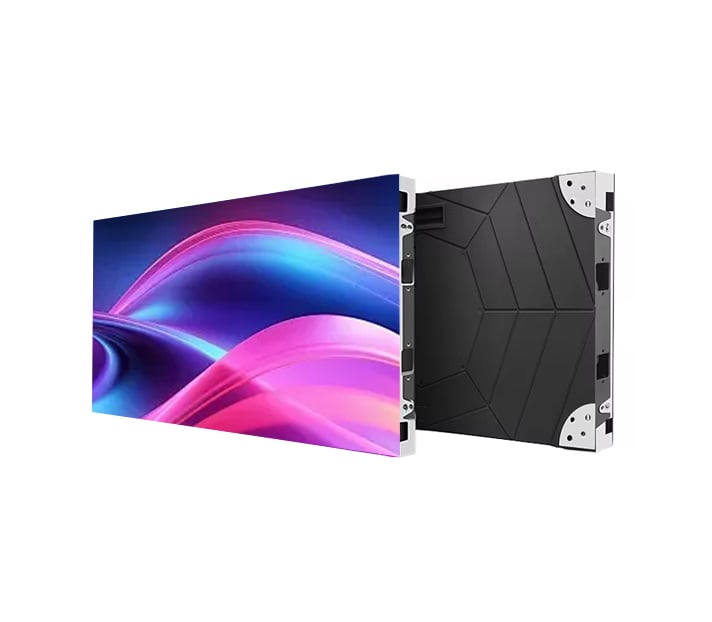
Ultra-Fine Pixel Pitch: Because retail customers view screens from arm's length, opt for a fine pixel pitch like P1.5 or P1.8. Consider COB (Chip-on-Board) or GOB (Glue-on-Board) coatings to protect the delicate pixels from accidental bumps by shoppers' bags.
Whisper-Quiet Operation: Luxury boutiques maintain a calm, premium audio ambiance. Ensure your engineering partner uses high-end, closed-loop servo motors that emit zero distracting mechanical whine or noise during rotation.
Seamless CMS Integration: Look for hardware that runs on industry-standard systems like NovaStar, allowing your global marketing team to update the synchronized video content and mechanical rotation profiles remotely with one click.
Ultimately, a storefront window shouldn't just show a product—it should create an unforgettable experience. Mechanical rotating LED screens give luxury retailers the ultimate tool to dominate consumer attention, build brand prestige, and reliably boost premium foot traffic.
 EN
EN
 AR
AR
 BG
BG
 HR
HR
 CS
CS
 DA
DA
 NL
NL
 FI
FI
 FR
FR
 DE
DE
 EL
EL
 HI
HI
 IT
IT
 JA
JA
 KO
KO
 NO
NO
 PL
PL
 PT
PT
 RO
RO
 RU
RU
 ES
ES
 SV
SV
 TL
TL
 ID
ID
 SR
SR
 UK
UK
 VI
VI
 ET
ET
 HU
HU
 TH
TH
 TR
TR
 FA
FA
 AF
AF
 MS
MS
 GA
GA
 HY
HY
 AZ
AZ
 MN
MN
 UZ
UZ