Home > News > Company News
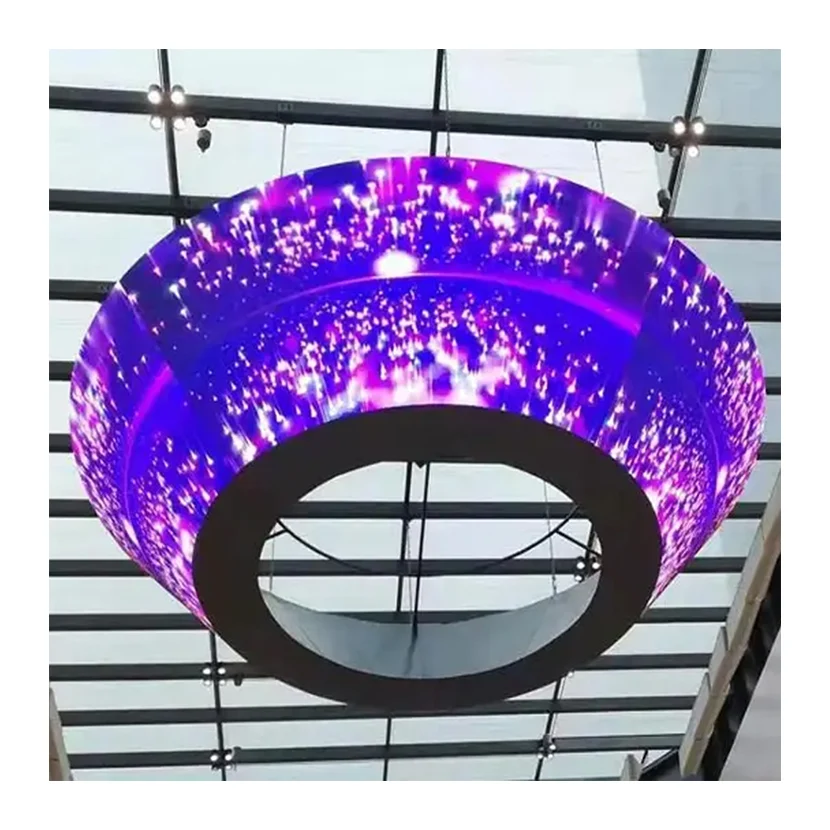
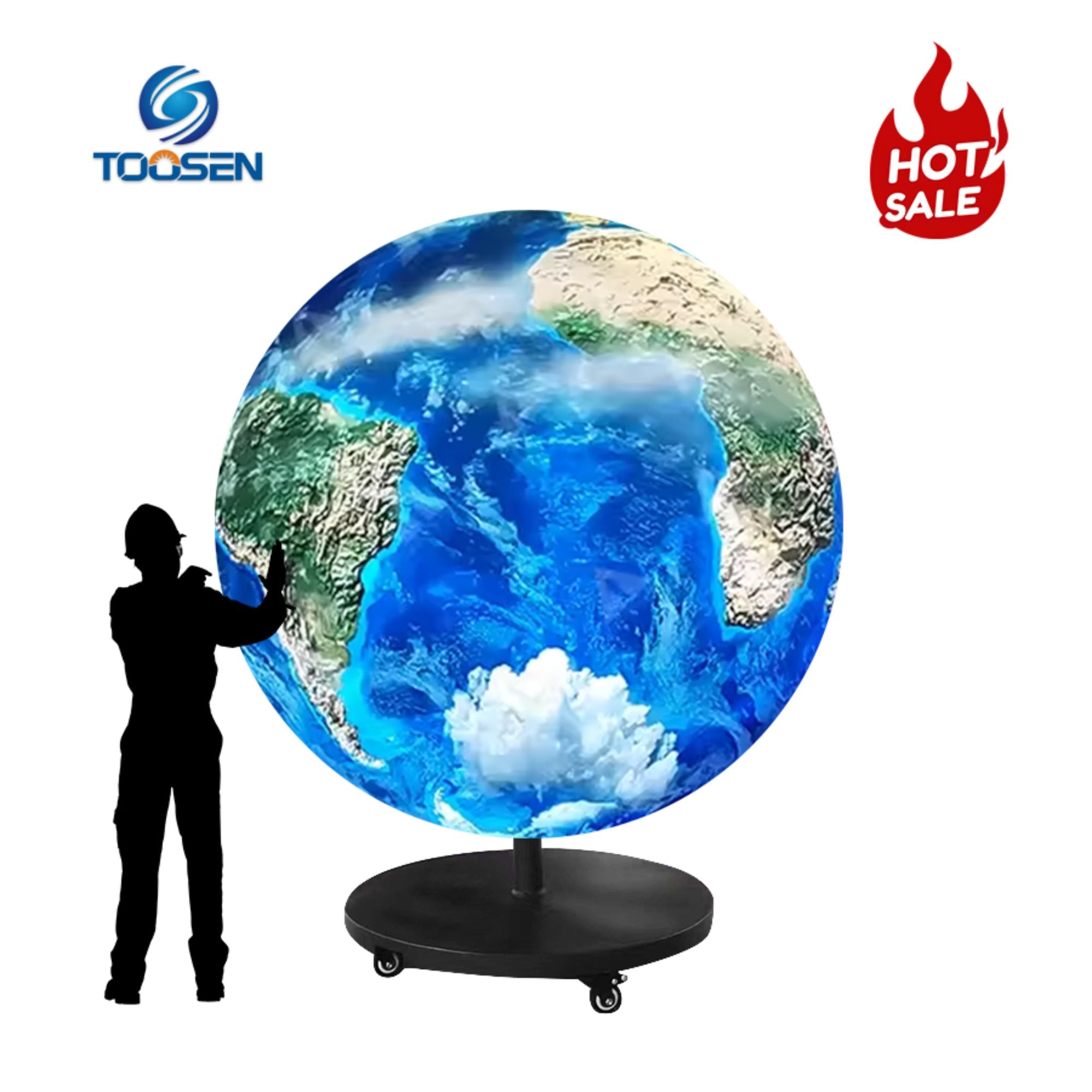
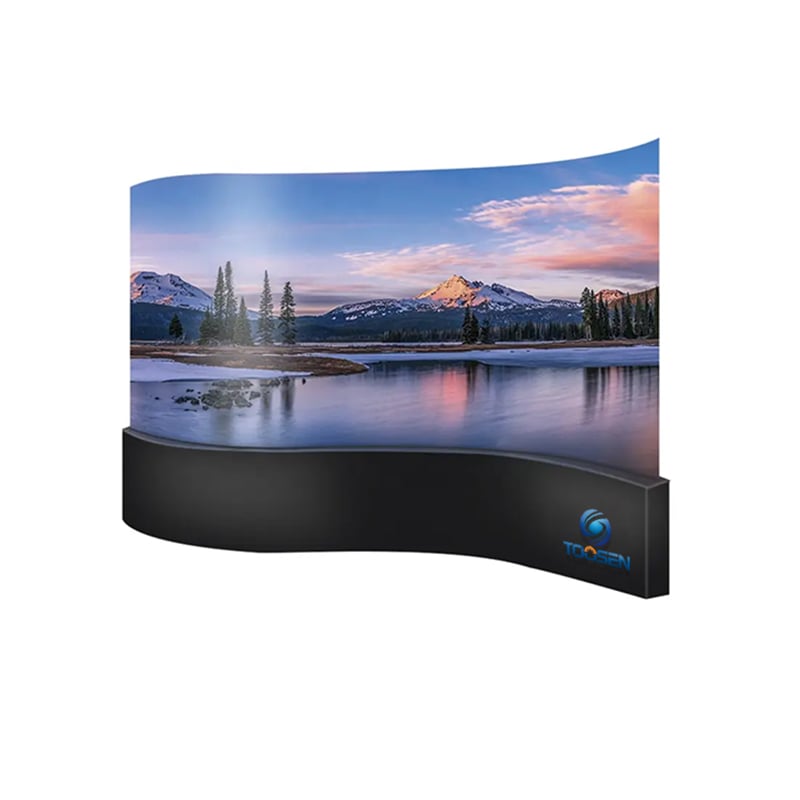
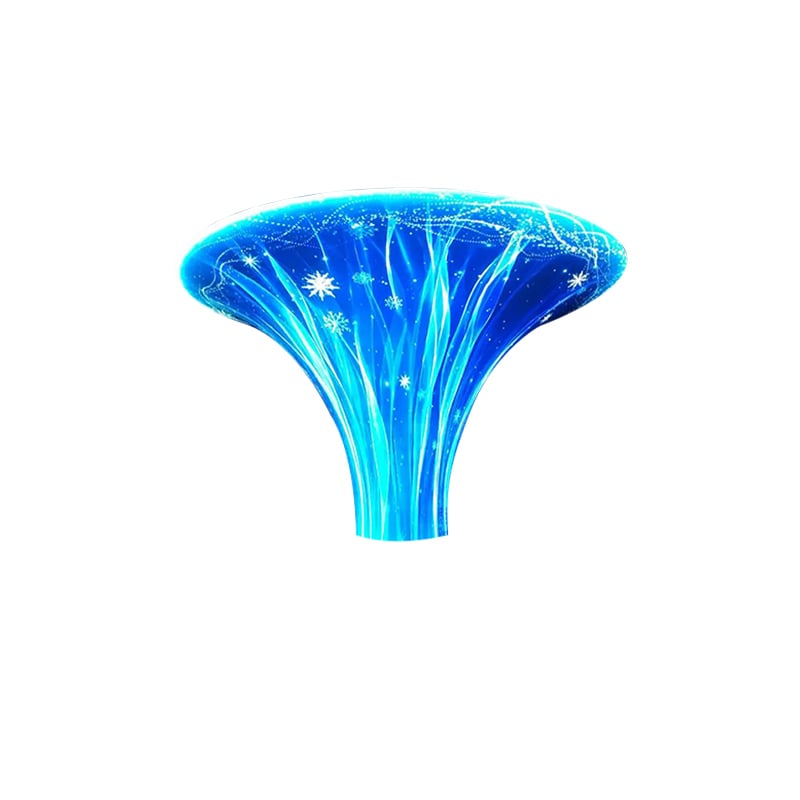
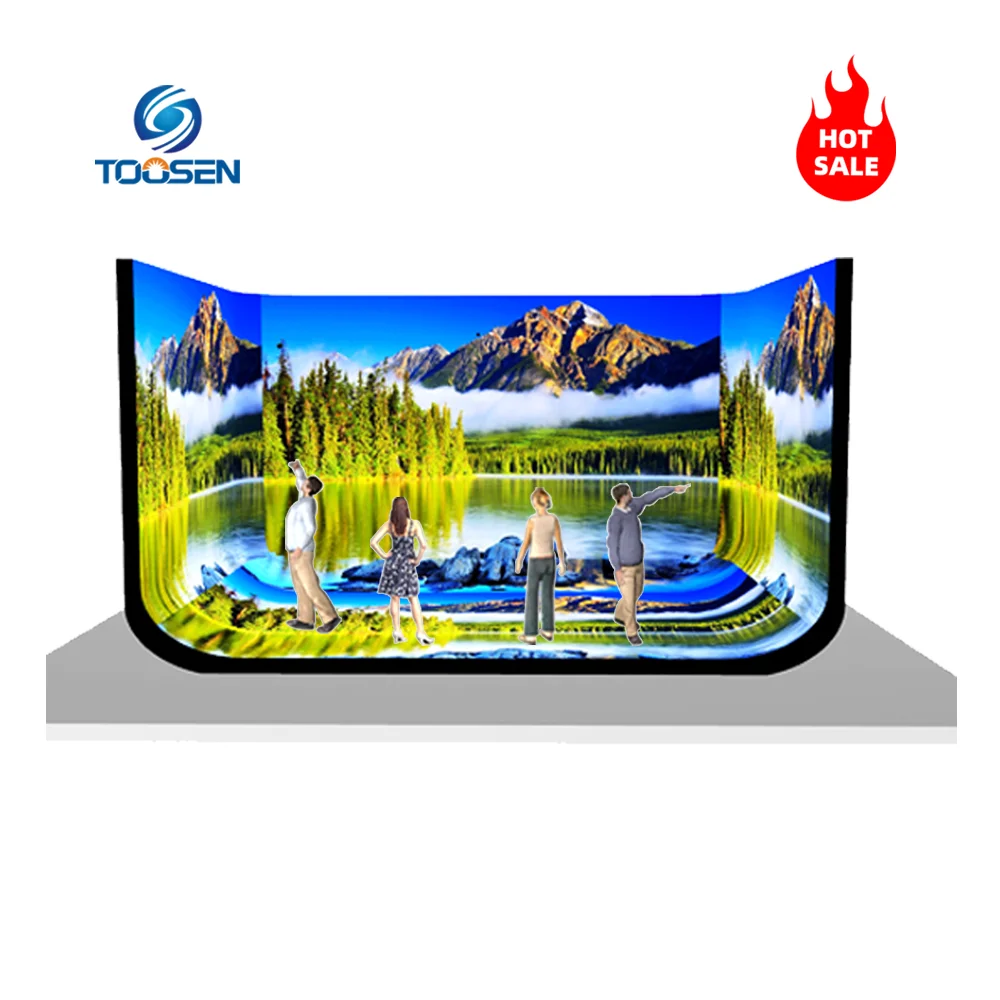
Creative LED displays have become one of the biggest trends in retail, live events, exhibitions, museums, and immersive entertainment. Instead of using traditional rectangular screens, designers now prefer polygon-shaped, angled, wave-shaped, and other irregular LED displays to create unforgettable visual experiences.
Many people assume that achieving these creative shapes requires fully customized LED modules. In reality, that isn't always true.
Many of today's eye-catching LED installations—including those seen at concerts, festivals, and product launches—are built using standard LED cabinets rather than expensive custom modules.
This article explains how professionals create irregular-shaped LED displays without custom LED modules, why this approach has become an industry standard, and when it makes sense to invest in a fully customized solution.
A standard LED screen displays content.
An irregular-shaped LED screen becomes part of the architecture itself.
Whether installed in a shopping mall, exhibition booth, flagship store, or concert stage, creative shapes immediately attract attention and help brands stand out.
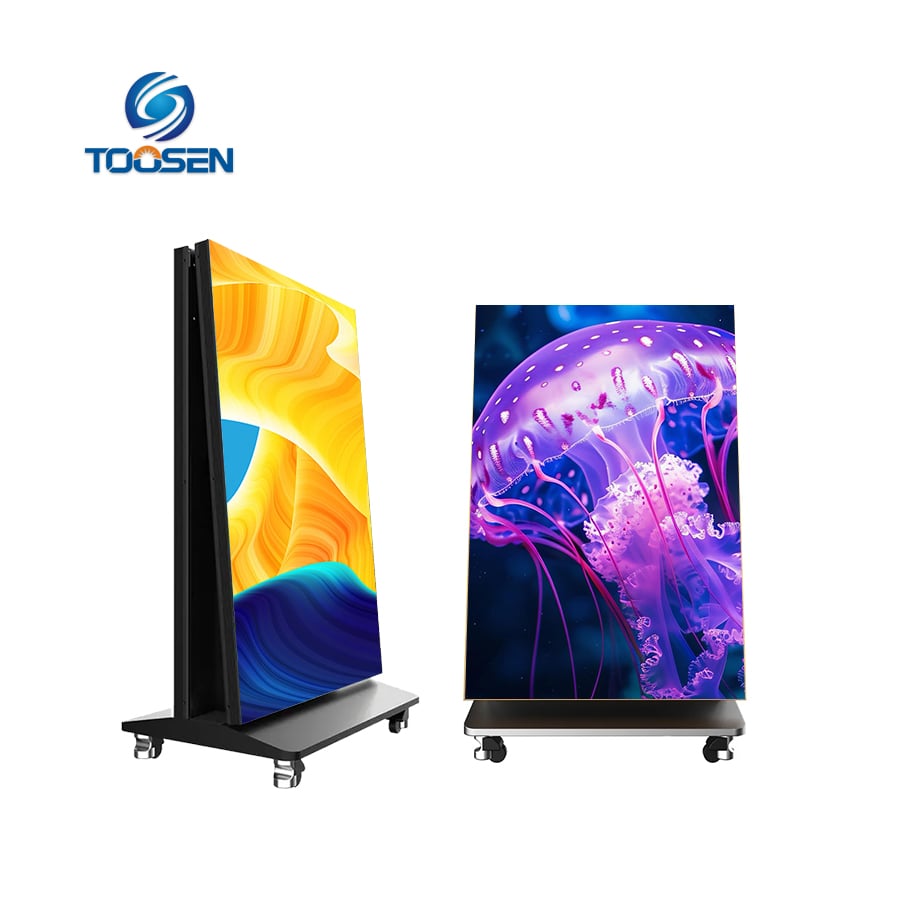
Popular designs include:
However, many buyers worry that these designs require costly custom manufacturing.
Fortunately, that is often not the case.
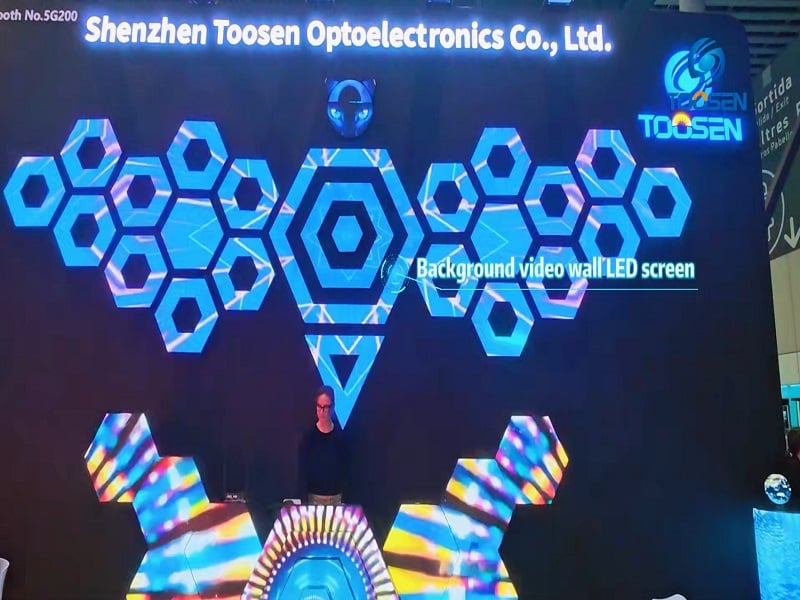
There are two primary approaches.
This method uses specially manufactured LED modules designed to match the desired shape.
Examples include:
This solution works best for permanent installations where the screen itself is the centerpiece.
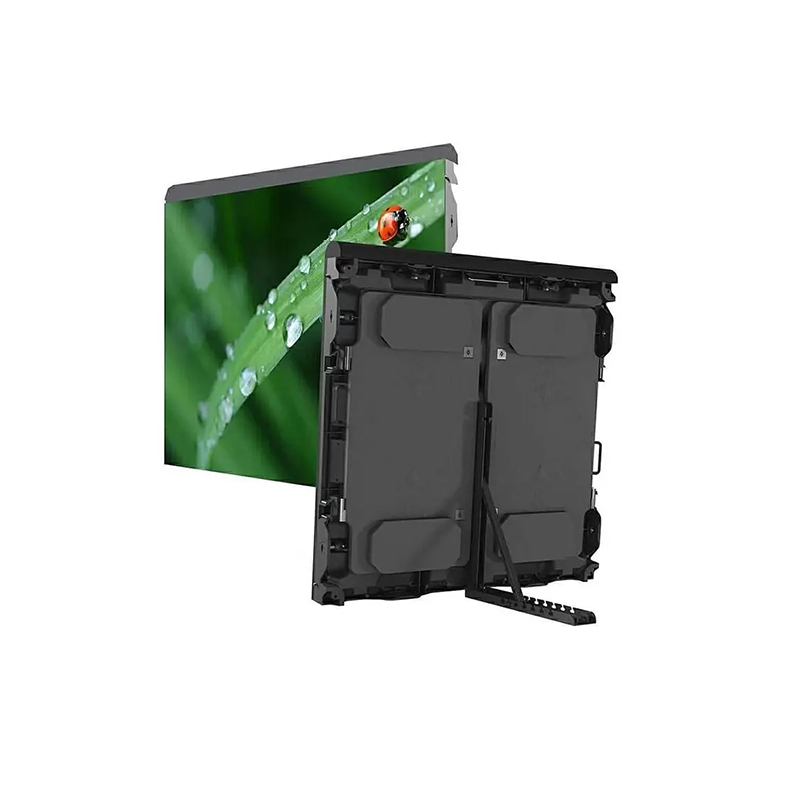
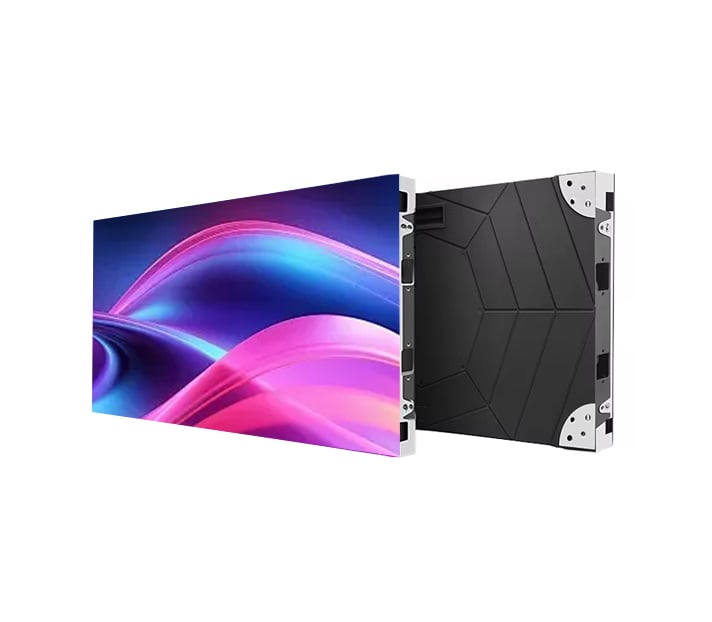
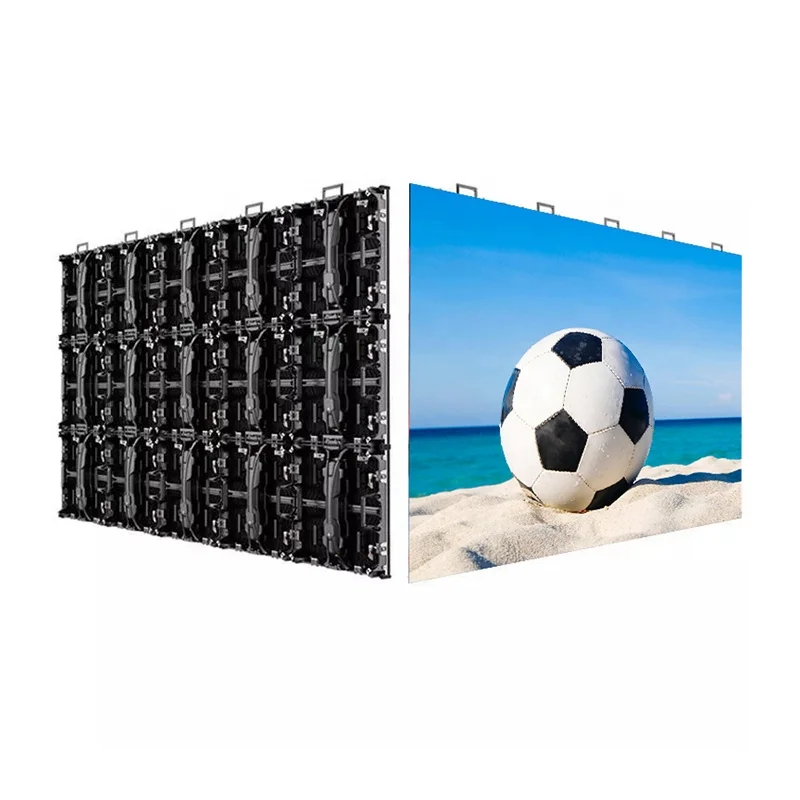
Instead of redesigning the LED hardware, designers rearrange standard cabinets into a creative layout.
They intentionally remove selected cabinets around the edges to form diagonal or stepped outlines.
From the audience's perspective, the display appears to have a custom shape.
This technique has become extremely common in:
Because it relies on existing LED cabinets, it significantly reduces both cost and production time.
Yes. By arranging standard cabinets strategically and hiding stepped edges with decorative masking, installers can create the appearance of a custom-shaped LED display.
Absolutely. Pixel mapping ensures that video content aligns correctly with the active LED area, even when the screen is not rectangular.
Not necessarily. Custom modules offer greater design flexibility, but they also increase manufacturing costs, production time, and maintenance complexity. Standard cabinets are often the more practical choice.
 EN
EN
 AR
AR
 BG
BG
 HR
HR
 CS
CS
 DA
DA
 NL
NL
 FI
FI
 FR
FR
 DE
DE
 EL
EL
 HI
HI
 IT
IT
 JA
JA
 KO
KO
 NO
NO
 PL
PL
 PT
PT
 RO
RO
 RU
RU
 ES
ES
 SV
SV
 TL
TL
 ID
ID
 SR
SR
 UK
UK
 VI
VI
 ET
ET
 HU
HU
 TH
TH
 TR
TR
 FA
FA
 AF
AF
 MS
MS
 GA
GA
 HY
HY
 AZ
AZ
 MN
MN
 UZ
UZ