Home > News > Industry News
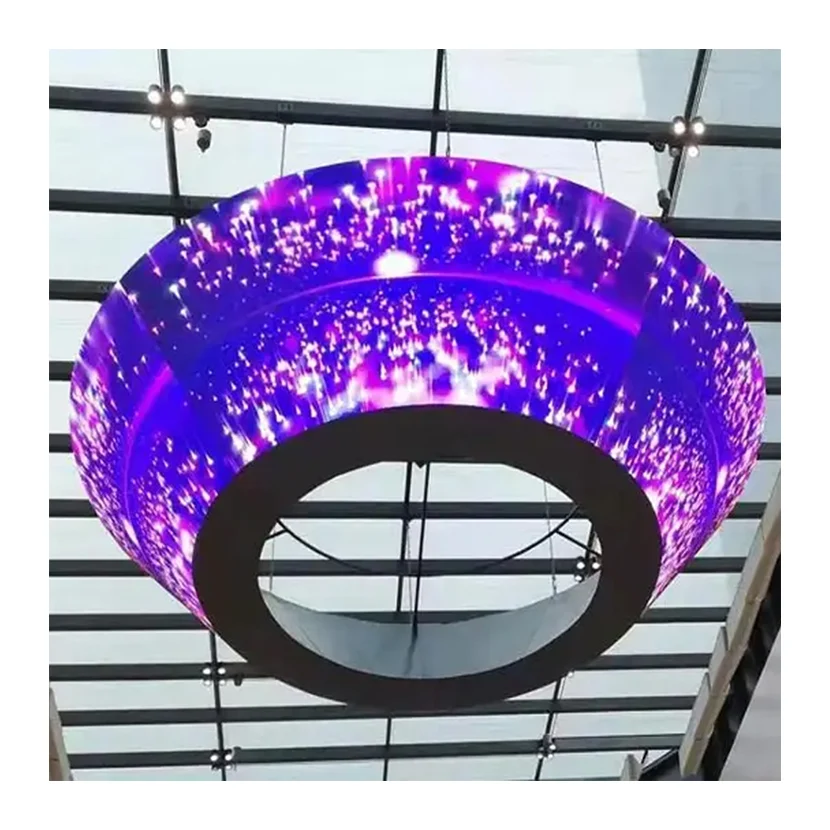
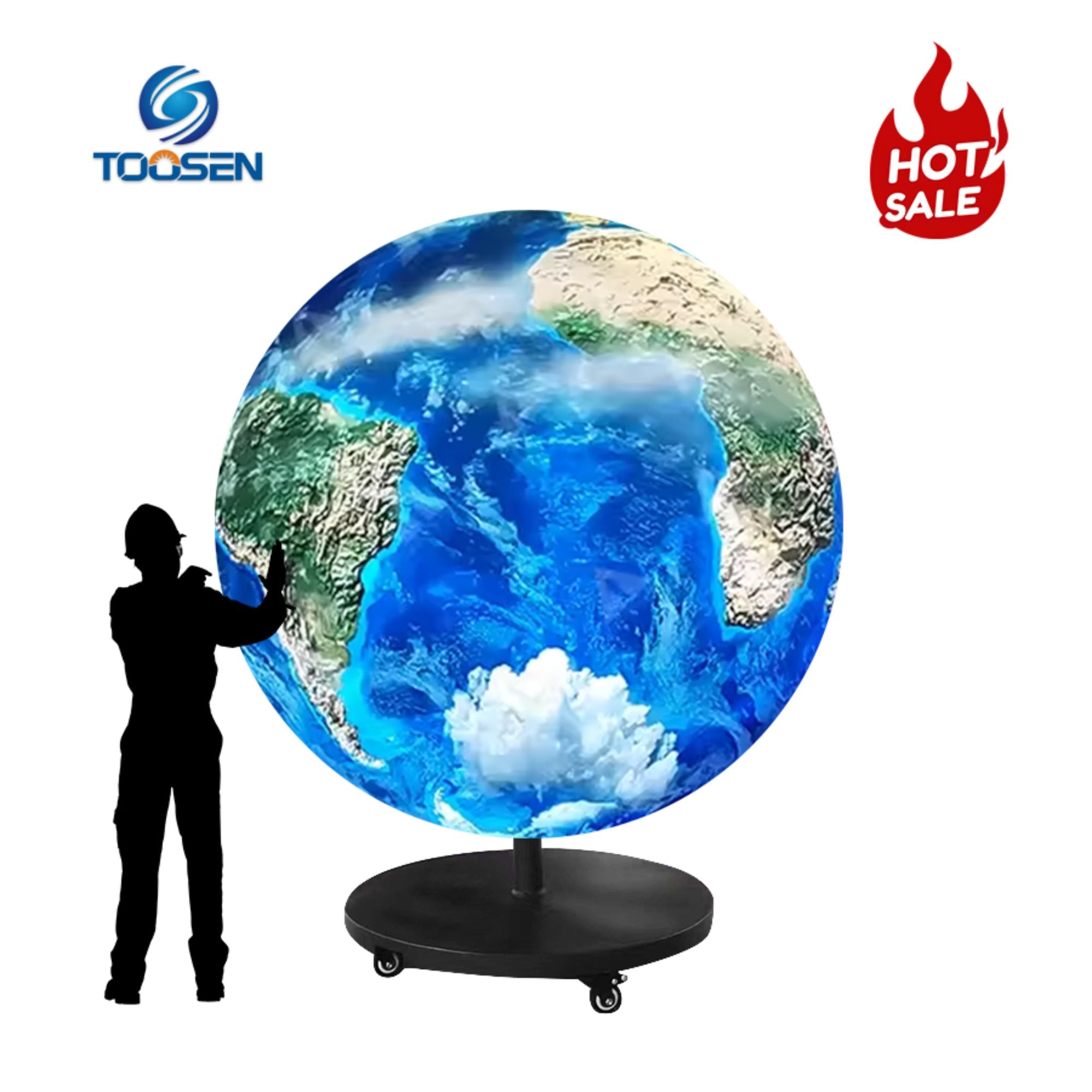
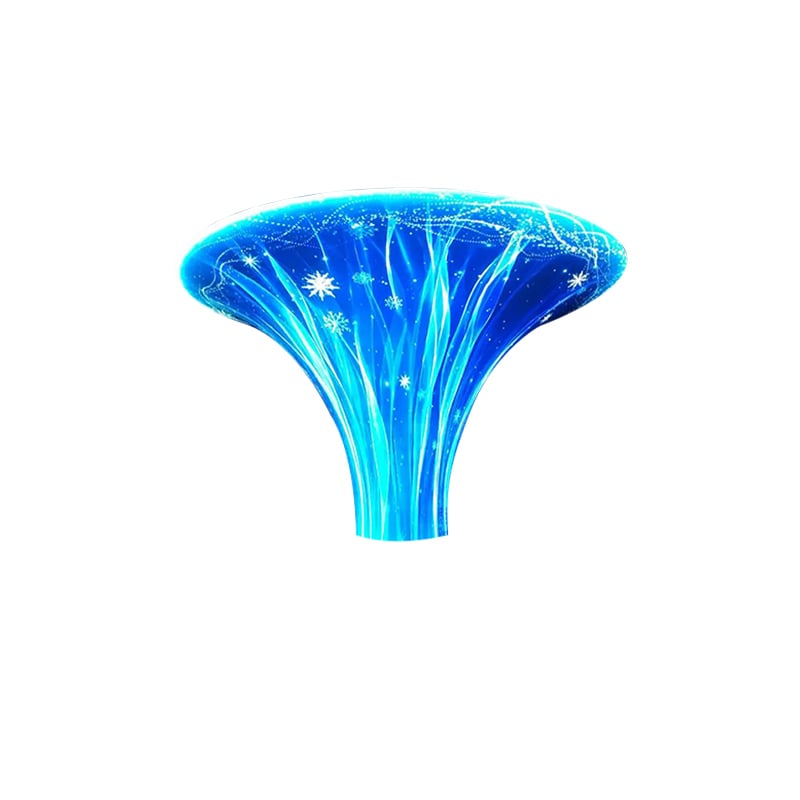
A suspended spherical LED display creates a striking visual effect and instantly adds a futuristic feel to any venue. However, hanging a large LED sphere overhead introduces engineering challenges that go far beyond those of a floor-mounted installation.
To ensure long-term safety and reliable operation, designers, installers, and project owners should focus on three critical areas: structural integrity, electrical routing, and maintenance accessibility.
The most significant risk associated with a suspended LED sphere is the possibility of overhead failure. Even a relatively compact 1-meter outdoor sphere can weigh between 100 and 200 kilograms—or more—once you account for the steel frame, LED modules, power supplies, and internal components.
Before installation, a qualified structural engineer should evaluate the ceiling, steel framework, or concrete beam that will support the display. The mounting point should safely withstand not only the sphere’s static weight but also dynamic forces created by movement and environmental conditions. In many projects, engineers design the support system with a substantial safety margin beyond the expected load.
Never rely solely on the primary suspension rod or chain. Add at least two independent safety steel cables that connect the sphere’s internal load-bearing frame directly to the building structure. If the main suspension system fails, these secondary restraints can prevent the display from falling.
Outdoor spherical displays present a large surface area to the wind. If suspended from a single point, they may swing like a pendulum, creating safety hazards and accelerating metal fatigue. Multiple stabilizing guy wires or tensioned support cables help minimize movement and improve long-term stability.
Unlike floor-mounted spheres that transfer weight downward, suspended installations place the entire load on the top connection point. Consequently, the internal structure must distribute forces differently.
The suspension hook should connect directly to a robust internal steel framework or central load-bearing column that supports the entire sphere. Do not attach lifting hardware only to the outer shell or decorative panels, as they are not designed to carry the full weight of the installation.
Use high-strength lifting hardware, including rated shackles, eye bolts, and structural fasteners. In addition, incorporate locking mechanisms such as lock nuts, spring washers, or cotter pins to reduce the risk of loosening from vibration over time.
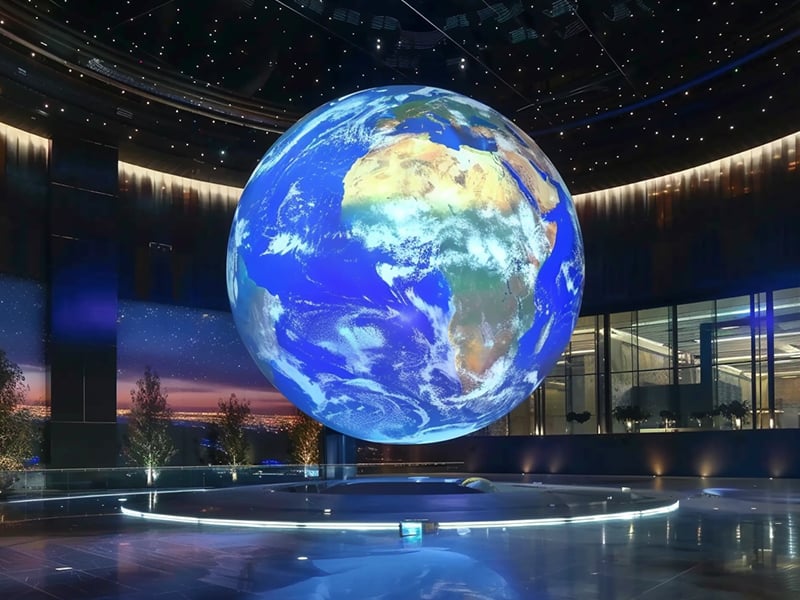
A suspended display should appear clean and uncluttered, so cable management deserves careful attention during the design stage.
Rather than running separate power and signal cables externally, use integrated composite cables or route wiring through the hollow interior of the suspension tube whenever possible. This approach improves appearance while offering better mechanical protection.
For outdoor projects, form a downward-facing drip loop before cables enter the top of the sphere. This simple design helps prevent rainwater from traveling along the cable into electrical connections, reducing the risk of water intrusion and short circuits.
Repairing equipment suspended high above the ground is significantly more expensive than servicing a floor-mounted display. Therefore, maintenance planning should begin before manufacturing starts.
Choose a design that allows technicians to remove every LED module directly from the exterior using magnetic tools or dedicated fasteners. If repairs require opening the sphere or accessing its interior, routine maintenance becomes much more complicated and costly.
If project conditions permit, install frequently serviced components—such as power supplies and receiving cards—in an accessible ground-level control cabinet or nearby equipment enclosure. Leave only the LED modules inside the suspended sphere. This arrangement simplifies troubleshooting and often eliminates the need for aerial lifts or cranes during repairs.
Suspended spherical LED displays deliver exceptional visual impact, but they demand meticulous engineering and planning. A successful installation depends on a properly engineered support structure, redundant safety systems, secure internal framing, organized cable management, and maintenance-friendly design. By addressing these factors early in the project, you can improve reliability, reduce operating costs, and create a spectacular overhead display that performs safely for years to come.
 EN
EN
 AR
AR
 BG
BG
 HR
HR
 CS
CS
 DA
DA
 NL
NL
 FI
FI
 FR
FR
 DE
DE
 EL
EL
 HI
HI
 IT
IT
 JA
JA
 KO
KO
 NO
NO
 PL
PL
 PT
PT
 RO
RO
 RU
RU
 ES
ES
 SV
SV
 TL
TL
 ID
ID
 SR
SR
 UK
UK
 VI
VI
 ET
ET
 HU
HU
 TH
TH
 TR
TR
 FA
FA
 AF
AF
 MS
MS
 GA
GA
 HY
HY
 AZ
AZ
 MN
MN
 UZ
UZ