Home > News > Industry News
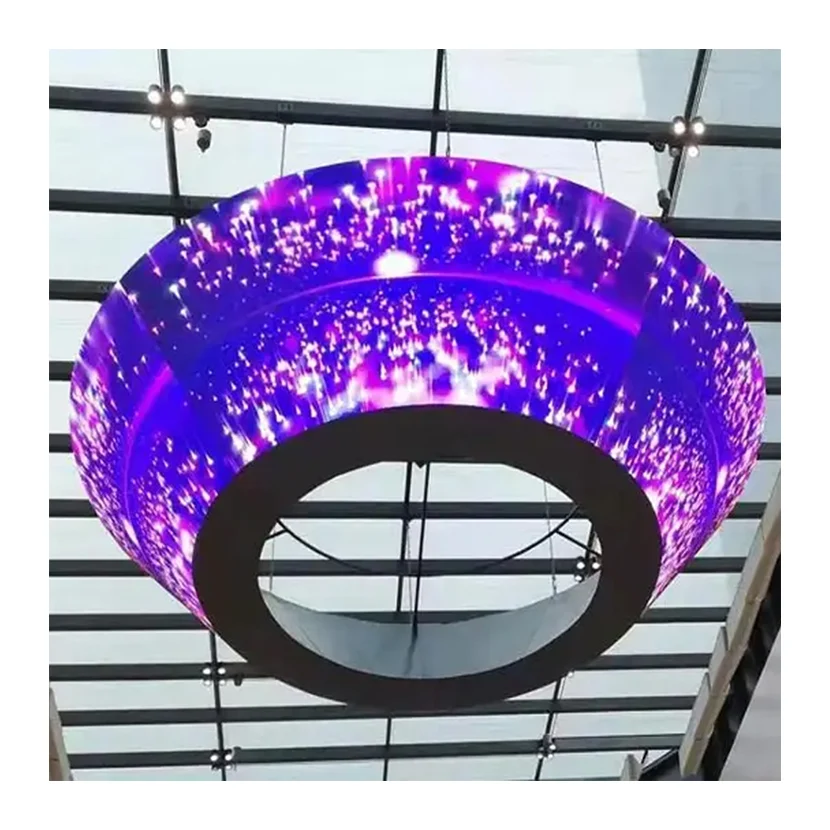
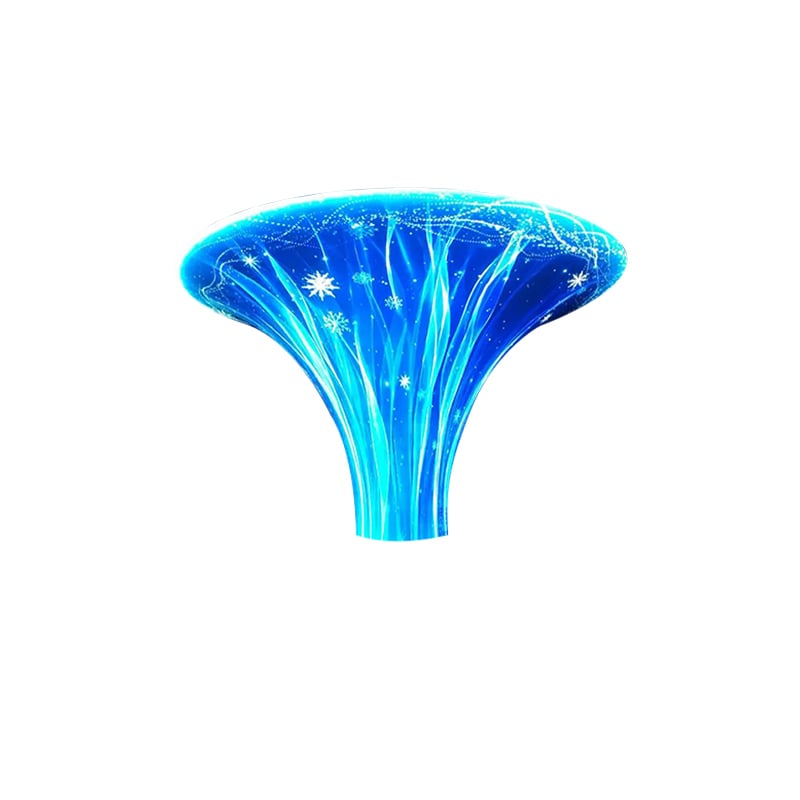
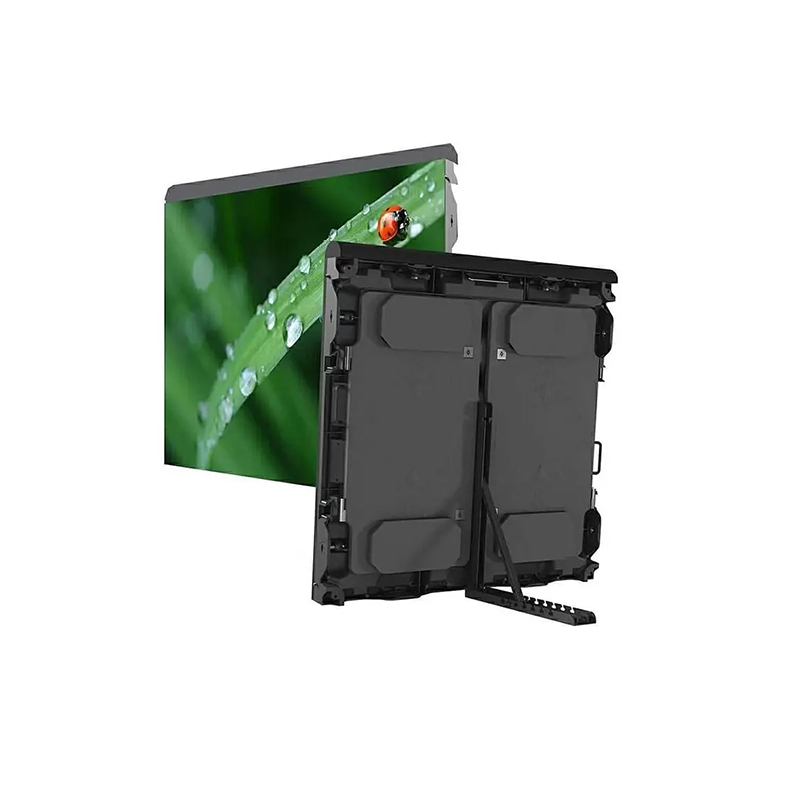
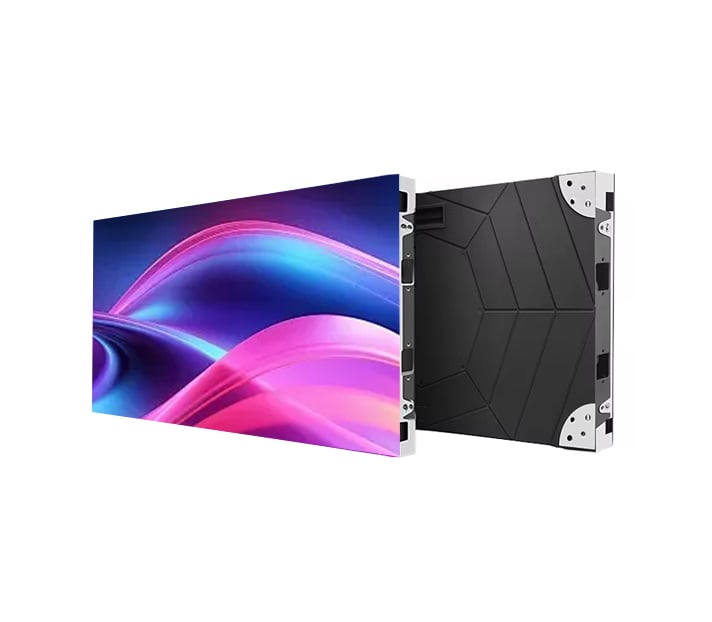
Traditional rectangular displays are officially a thing of the past. Thanks to massive leaps in flexible, transparent, and seamless splicing technologies, LED displays have broken free from their rigid frames. Today, cutting-edge designers are merging technology with structural artistry to create breathtaking, irregular LED installations. From morphing kinetic screens to mind-bending spherical mega-structures, these projects redefine how we experience public spaces.
Let's dive into the world's most acclaimed irregular LED masterpieces that are rewriting the rules of architectural design.
When it comes to pure visual impact, these boundary-pushing projects prove that bigger—and more uniquely shaped—is definitely better.
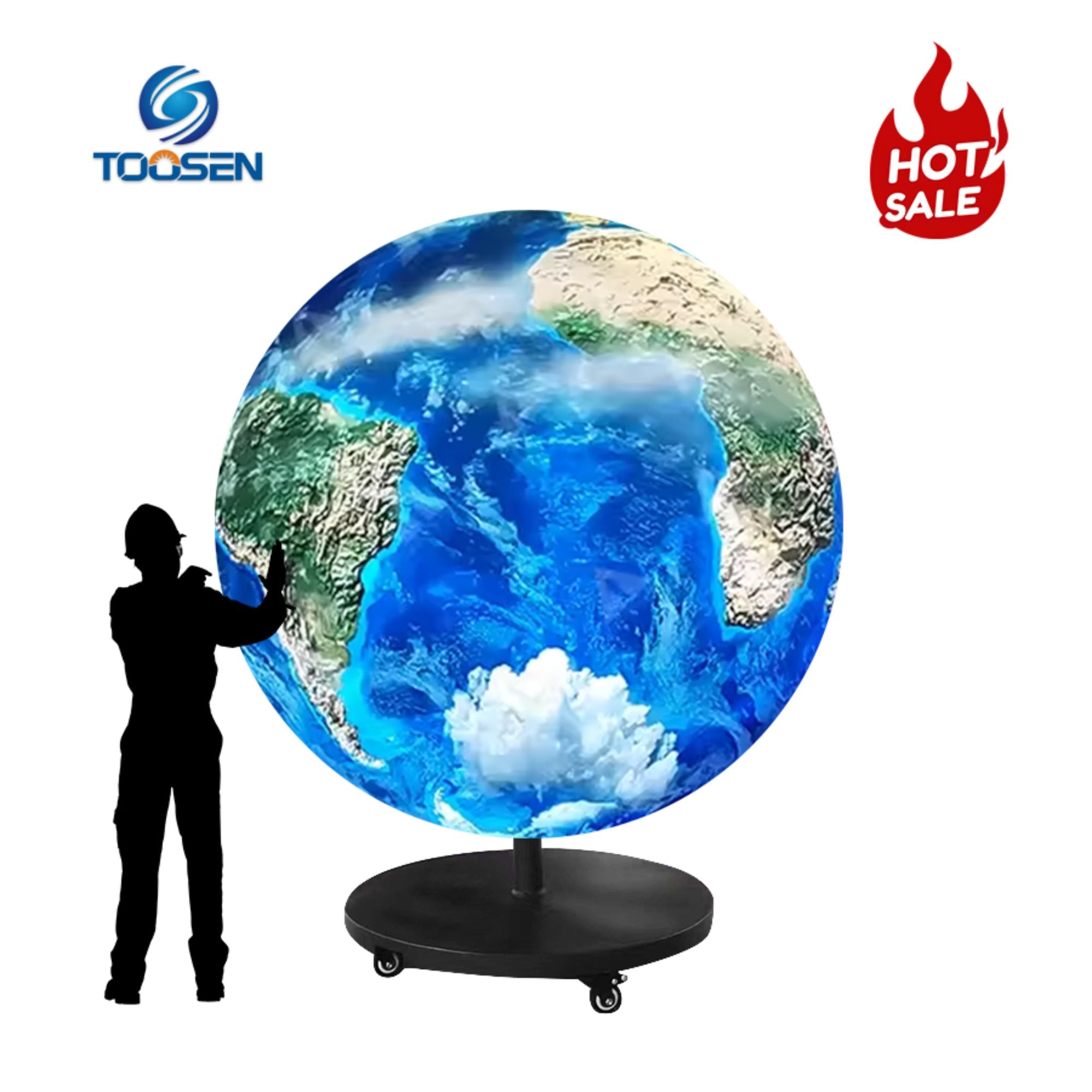
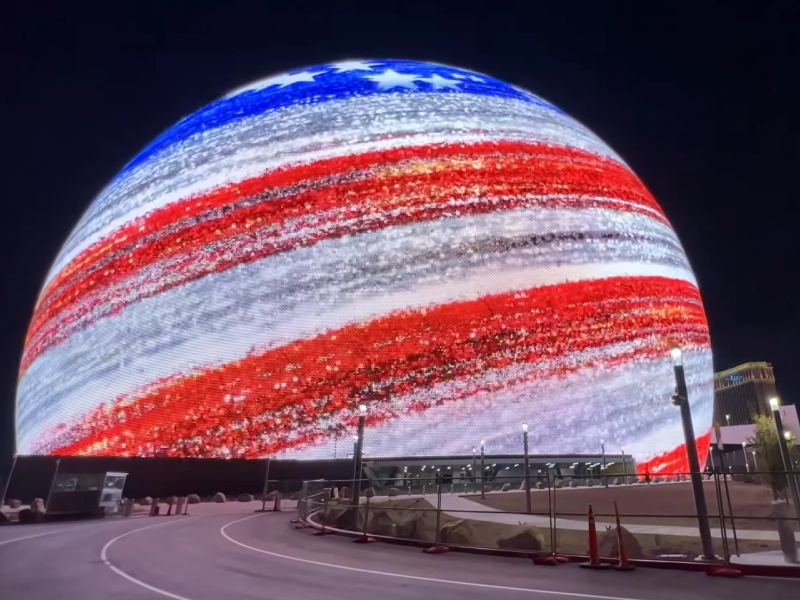
If you want to see the pinnacle of irregular LED engineering, look no further than Las Vegas. The Sphere stands as the world’s largest spherical structure, and it completely dominates the city's skyline.
The Exosphere: Instead of a flat wall, engineers wrapped the building’s exterior in a 580,000-square-foot programmable LED canvas. This massive, curved surface seamlessly transforms the venue into everything from a realistic giant eyeball to a glowing Mars.
The Interior Sanctuary: Inside, a continuous 160,000-square-foot, 16K resolution interior curved screen wraps around the audience. As a result, spectators enjoy a fully immersive, glasses-free 3D experience that completely distorts their sense of reality.
Meanwhile, over in Los Angeles, sports architecture took a massive leap forward with the introduction of the Infinity Screen. Suspended high above the gridiron at SoFi Stadium, this dual-sided, oval-shaped giant screen stretches 120 yards long.
Because creators rejected the standard flat scoreboard design, they built an irregular, looping canvas that offers a dual-sided view. Consequently, no matter how high or low you sit in the stadium, you get an unobstructed, crystal-clear view of the action.
Irregular LED screens do not just live outdoors. In fact, interior designers are increasingly using custom-shaped displays to breathe life into commercial and public spaces.
First impressions matter, and South Korea’s Incheon Airport delivers just that. In the heart of the arrivals terminal stands "The LED Tower," a flowing, irregular digital sculpture that completely reimagines airport aesthetics.
The screen features fluid, inward-curving corners and an irregular "paper-cut" silhouette that flows effortlessly into an overhead ceiling display. By utilizing ultra-high-definition content—such as hyper-realistic ocean waves and traditional Korean ink paintings—the tower instantly morphs a stressful transit hub into a serene digital art museum.
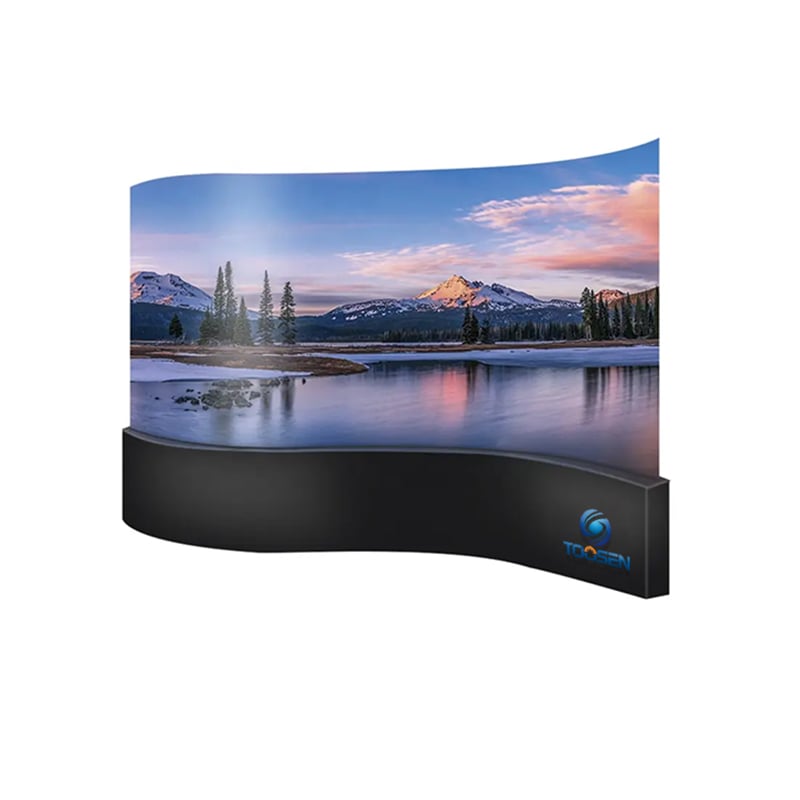
Step into Sanya’s luxury shopping paradise, and you will immediately notice how technology can drive retail engagement. The centerpiece of the grand atrium is a massive, wave-shaped LED screen that mimics a digital waterfall cascading down multiple floors.
However, the real magic lies in its mechanical integration. The irregular screen utilizes a kinetic matrix system, allowing individual LED modules to physically push forward and pull back in sync with the music. Ultimately, this creates a stunning multi-dimensional illusion where digital water seemingly interacts with physical space.
Finally, the most sophisticated irregular screens are those that blend into their surroundings, becoming virtually invisible until they power on.
Located in Hong Kong’s West Kowloon Cultural District, the M+ Museum serves as a masterclass in architectural integration. Designers avoided plastering a heavy, solid screen onto the building. Instead, they embedded thousands of LED light bars directly into the louvers of the skyscraper's facade.
During the day, the structure looks like a minimalist, modern museum. Yet, as the sun sets, the semi-transparent, irregular grid comes alive, turning the entire architecture into a towering 65-meter-high canvas for digital artists.
Walk down Fifth Avenue or the Champs-Élysées, and you will see how luxury fashion houses like Louis Vuitton and Dior use high-precision geometric screens to turn heads.
Seamless 3D Cubes: By engineered micron-level tolerances at the corners, these displays allow content to flow around 90-degree angles without a visible seam. This trick creates mind-bending 3D anamorphic illusions for passing pedestrians.
Floating Transparent Ribbons: Brands also favor transparent LED glass screens with over 75% transparency, shaping them into delicate hearts or fluttering ribbons. These irregular shapes display floating, holographic-like graphics without blocking natural sunlight or masking the interior store design.
Ultimately, these projects succeed because they move beyond the concept of "watching a screen." By leveraging advanced pixel mapping software, engineers can warp content around complex geometry without distorting the image.
As a result, irregular LED displays no longer look like add-ons—they become the very skin of the architecture itself, permanently blurring the line between the physical and digital worlds.
 EN
EN
 AR
AR
 BG
BG
 HR
HR
 CS
CS
 DA
DA
 NL
NL
 FI
FI
 FR
FR
 DE
DE
 EL
EL
 HI
HI
 IT
IT
 JA
JA
 KO
KO
 NO
NO
 PL
PL
 PT
PT
 RO
RO
 RU
RU
 ES
ES
 SV
SV
 TL
TL
 ID
ID
 SR
SR
 UK
UK
 VI
VI
 ET
ET
 HU
HU
 TH
TH
 TR
TR
 FA
FA
 AF
AF
 MS
MS
 GA
GA
 HY
HY
 AZ
AZ
 MN
MN
 UZ
UZ