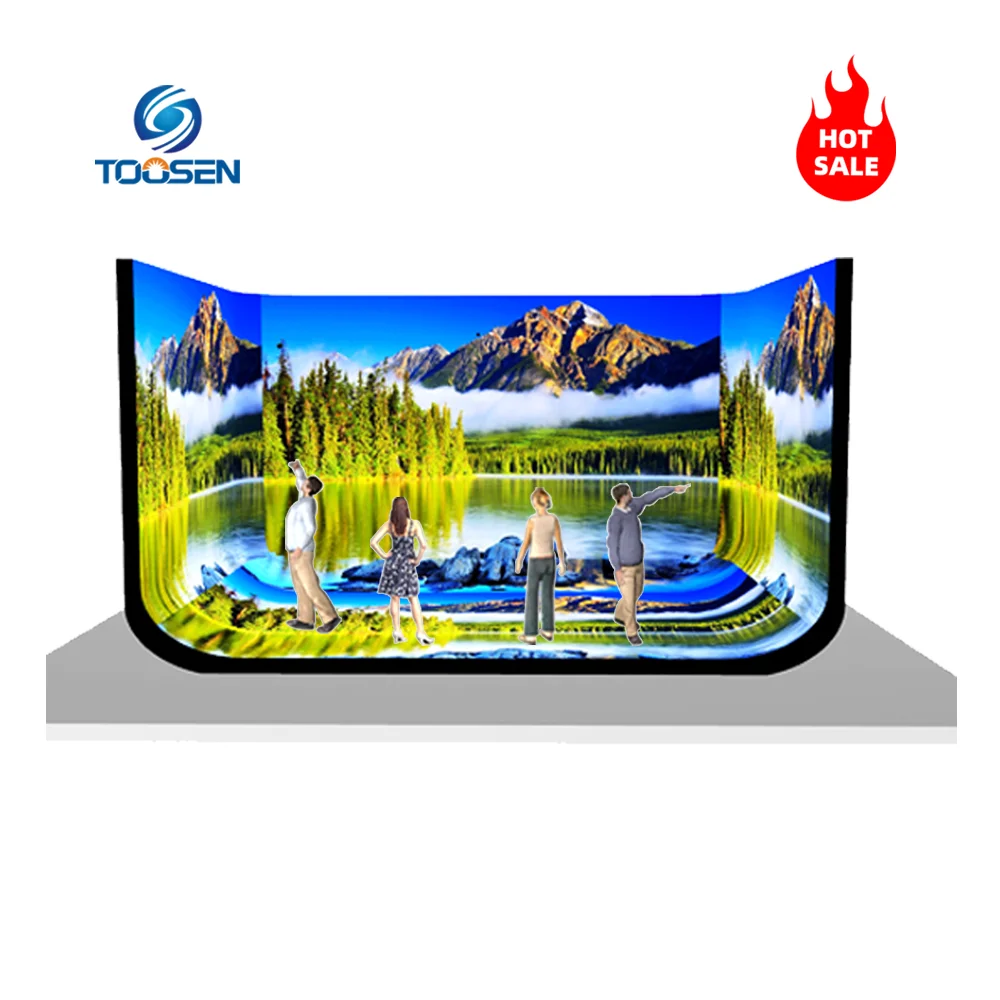
Home > News > Industry News
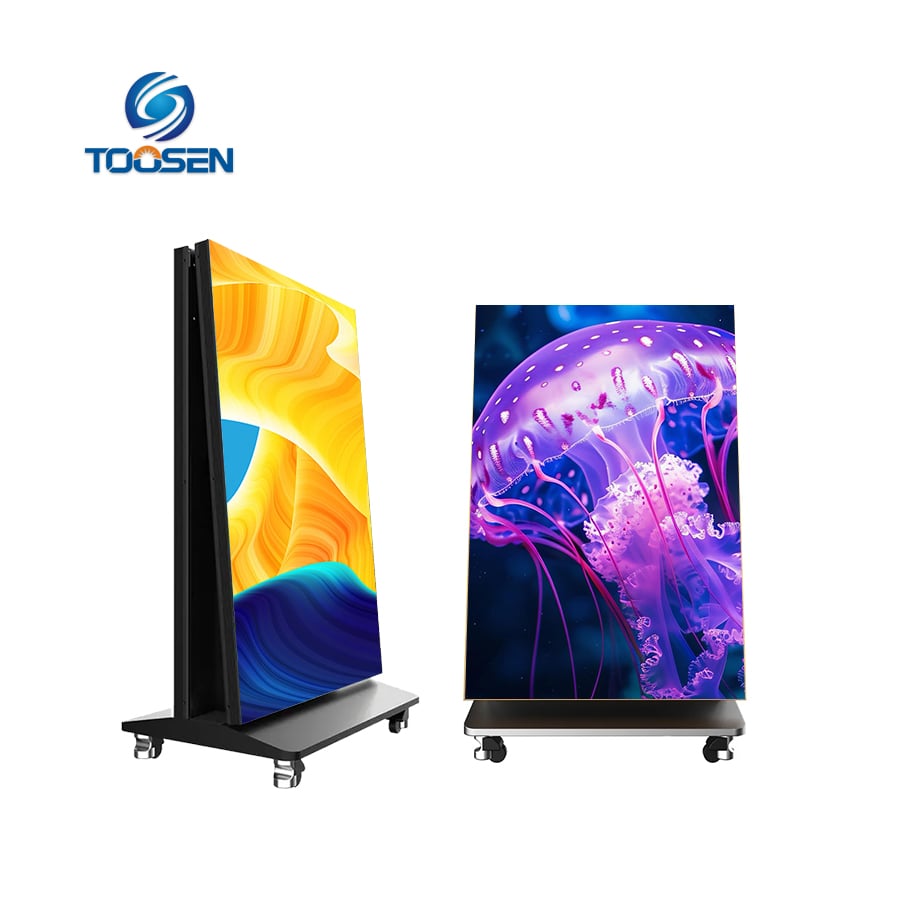
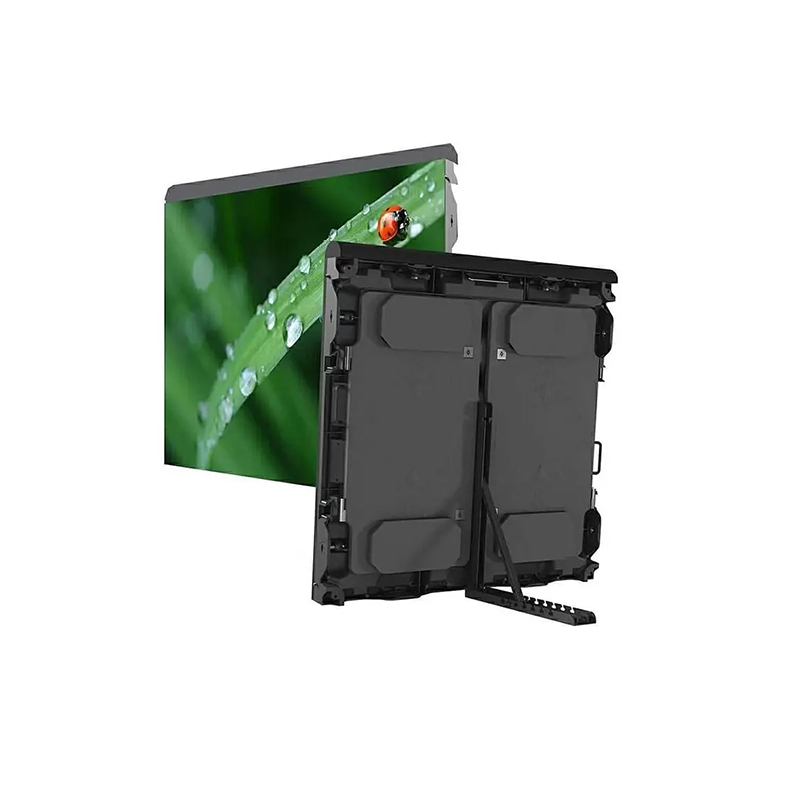
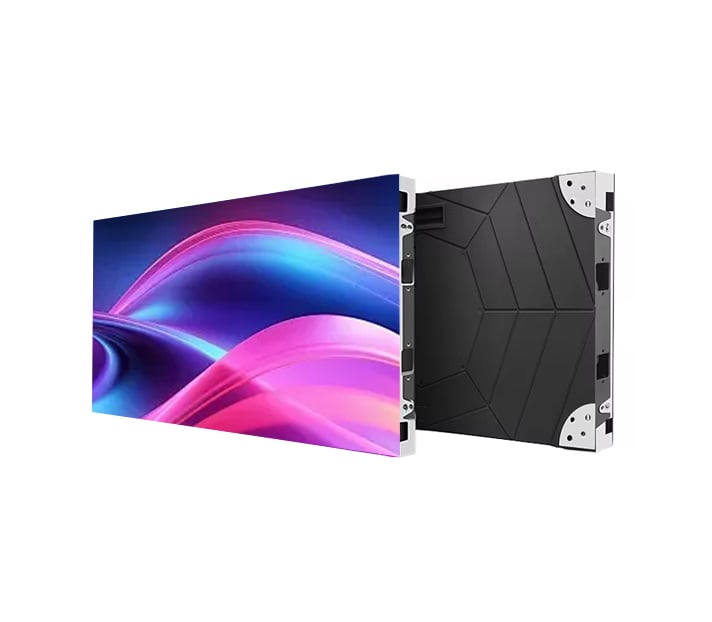
Framing refers to the protective and decorative border that technicians install around the perimeter of an LED screen once they finish assembling the display panels.
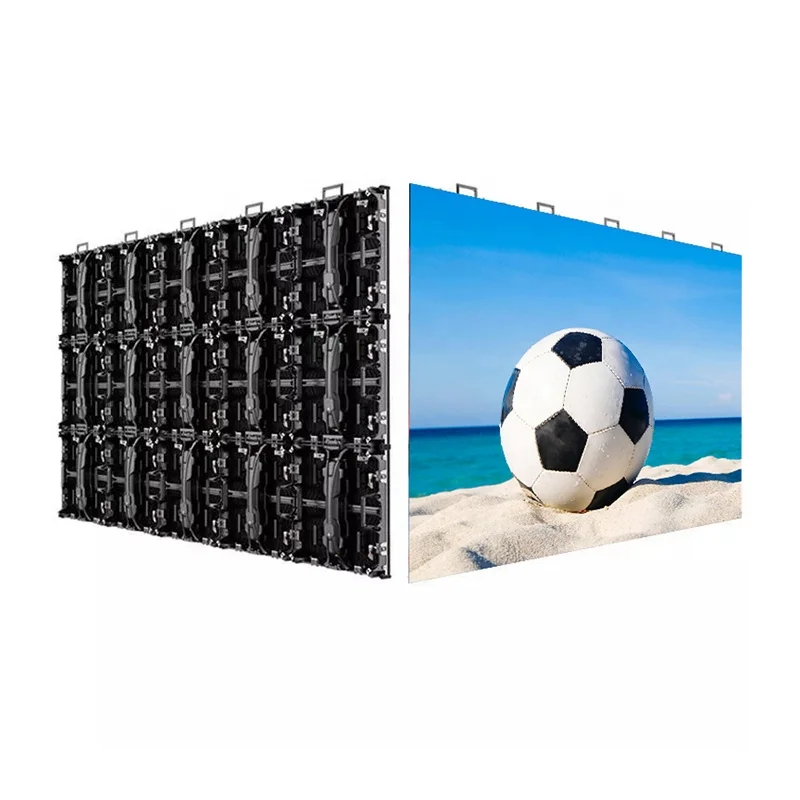
To understand why this is necessary, consider how workers build an LED wall. Since they piece the screen together using multiple individual cabinets or modules, the rear naturally houses a complex web of steel structures, power supplies, and cables. Consequently, framing plays a vital role in the final installation.
It conceals the clutter: First and foremost, the border acts as a visual shield, hiding the messy internal wiring and mounting brackets from the audience.
It delivers crucial protection: The outer edges of an LED screen are incredibly vulnerable. Therefore, the frame acts as a bumper to protect the delicate edge pixels from accidental bumps, while also sealing out dust and moisture.
It elevates the aesthetic: Much like framing a painting, a clean border gives the entire LED display a polished, high-end, and finished look.
What materials do they use? Installers typically opt for stainless steel (brushed or mirrored) for upscale indoor conference rooms and showrooms. Moreover, they frequently use lightweight aluminum alloys for mid-to-high-end displays, or aluminum-plastic composite panels as a cost-effective way to wrap massive outdoor billboards.
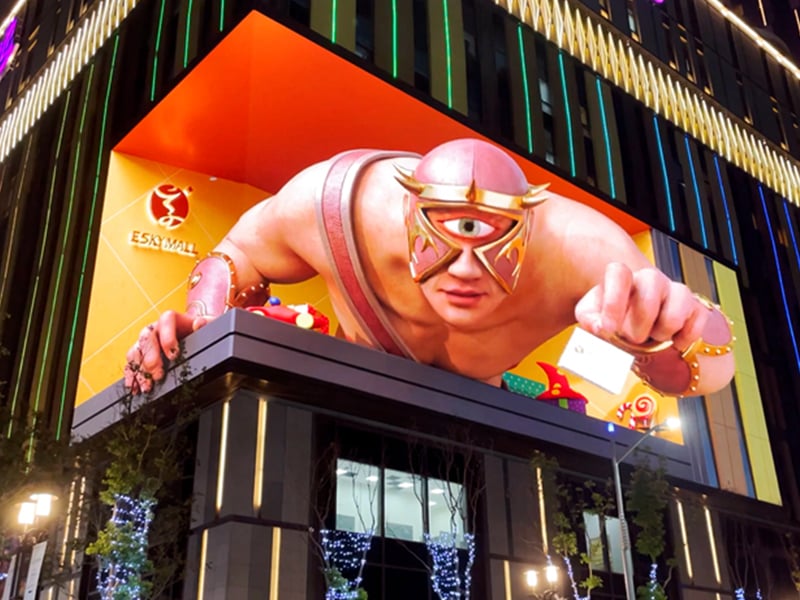
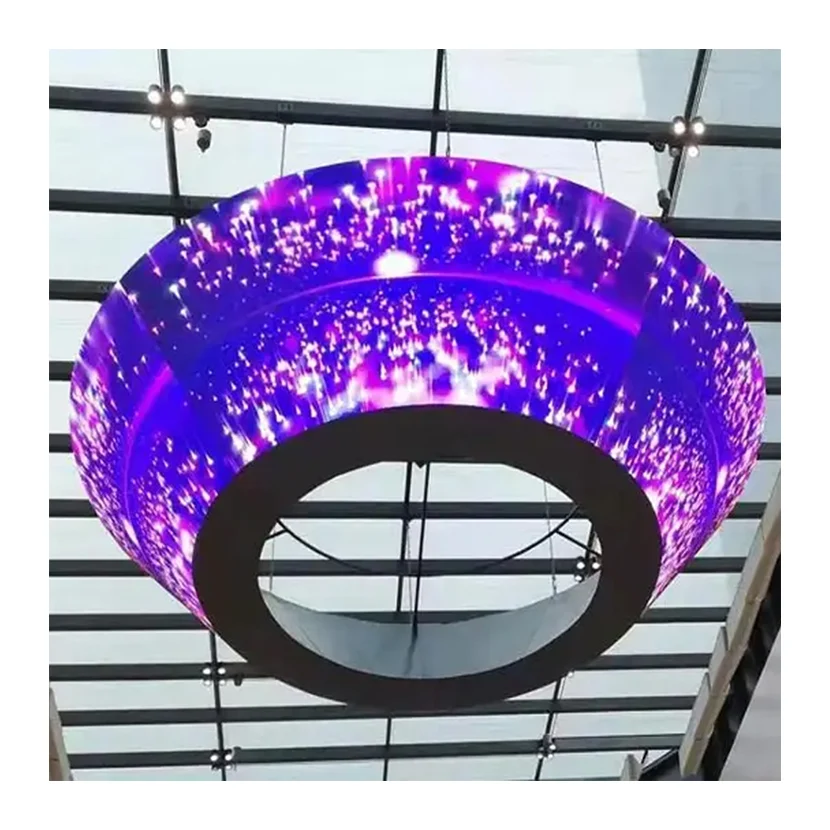
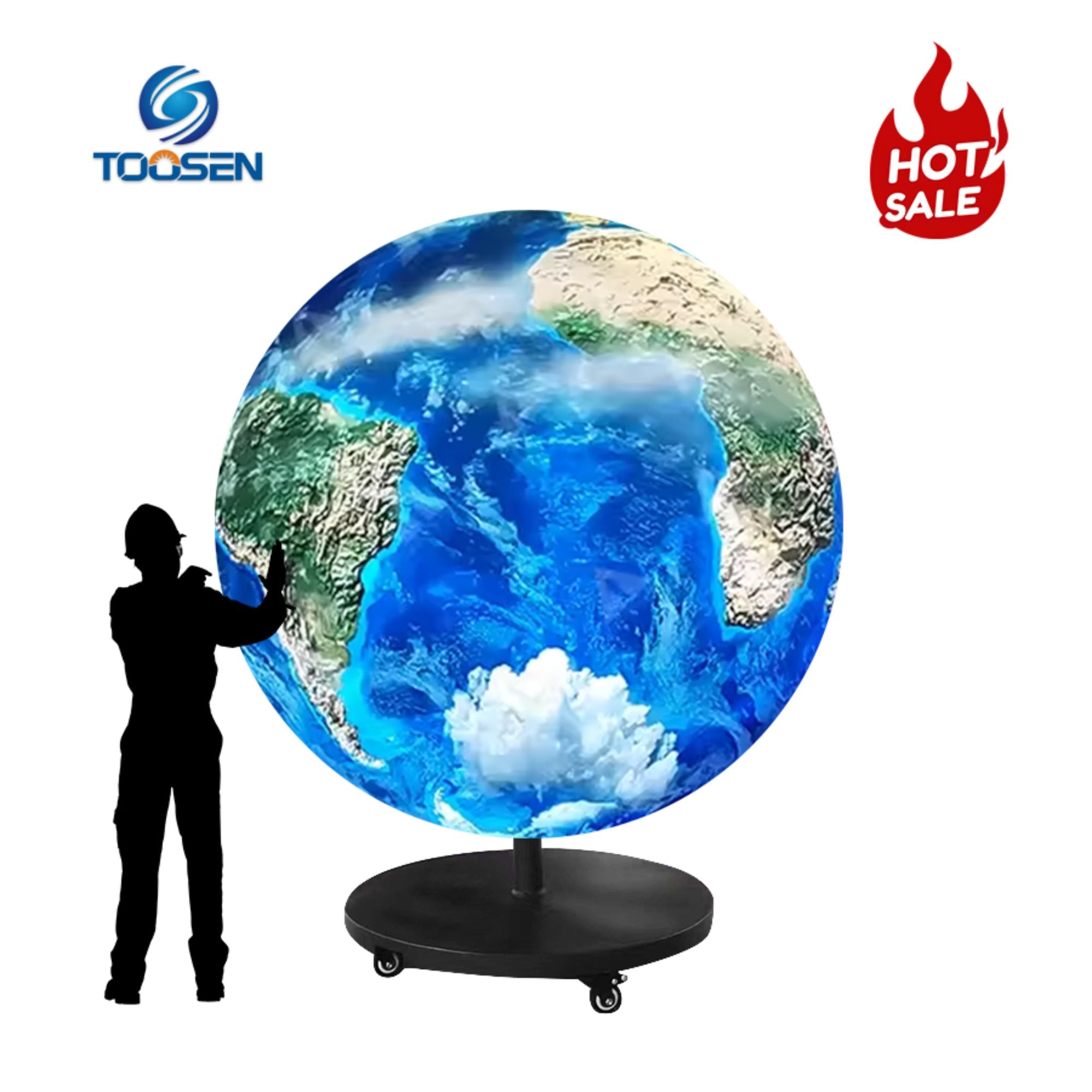
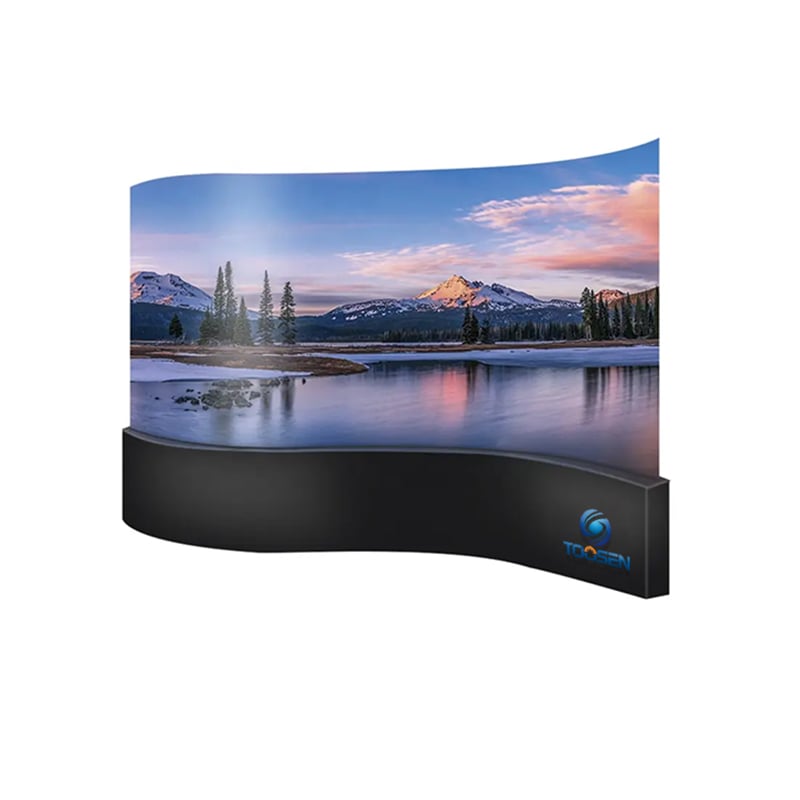
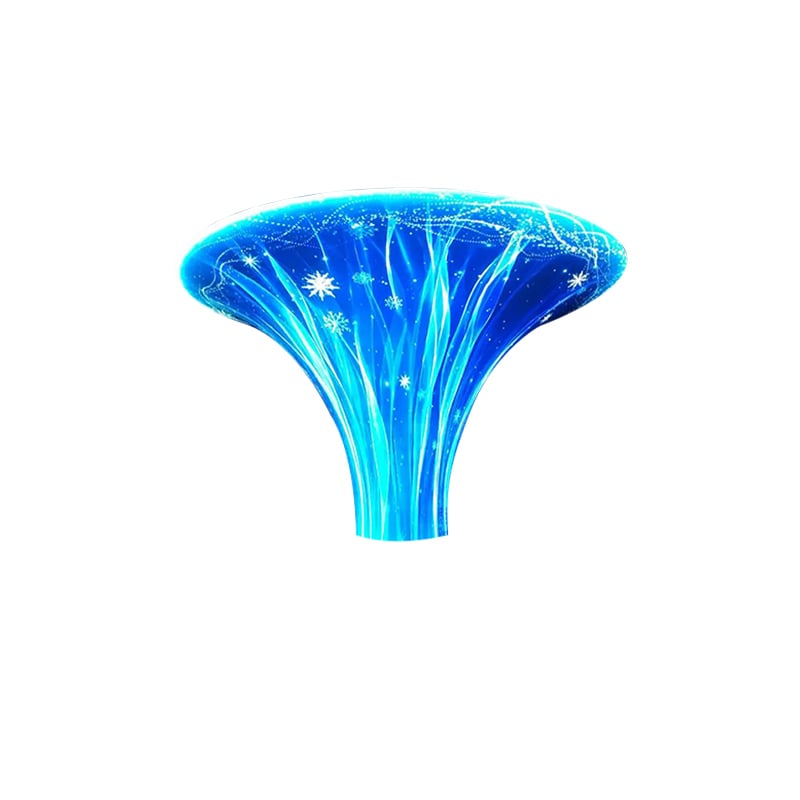
Instead of using a sharp, rigid hard angle at a corner, engineers design curved edges to create a smooth, flowing transition between different sides of the display.
You will most commonly spot this technique on outdoor naked-eye 3D billboards at busy intersections. If engineers used a sharp corner, the harsh split line would ruin the 3D illusion. By introducing a smooth curve instead, they keep the visual transition seamless, allowing the 3D effect to practically pop off the screen. In addition to 3D billboards, designers rely on curved edges to wrap screens around mall pillars or to create wave-like shapes for concert stages.
Flexible Modules (Soft Mesh): Manufacturers design these specialized LED modules with flexible rubber backings, allowing them to bend easily around tight curves.
Angled Cabinets: Alternatively, factory workers precision-cut the edges of standard cabinets—often at a angle—so that when they lock together, they naturally form a smooth, sweeping arc.
To put it simply, you can think of the difference this way:
| Concept | Focus | Primary Job | Smartphone Analogy |
|---|---|---|---|
| Framing | The outermost perimeter of the setup | Hides the structure, protects the edges, and cleans up the look | The protective phone case or metal bezel |
| Curved Edges | The curvature of the display area itself | Eliminates sharp corners to create seamless, immersive visuals | The curved display on a modern smartphone |
 EN
EN
 AR
AR
 BG
BG
 HR
HR
 CS
CS
 DA
DA
 NL
NL
 FI
FI
 FR
FR
 DE
DE
 EL
EL
 HI
HI
 IT
IT
 JA
JA
 KO
KO
 NO
NO
 PL
PL
 PT
PT
 RO
RO
 RU
RU
 ES
ES
 SV
SV
 TL
TL
 ID
ID
 SR
SR
 UK
UK
 VI
VI
 ET
ET
 HU
HU
 TH
TH
 TR
TR
 FA
FA
 AF
AF
 MS
MS
 GA
GA
 HY
HY
 AZ
AZ
 MN
MN
 UZ
UZ