Home > News > Industry News
When you walk into a high-end corporate lobby or a cutting-edge conference room, you immediately notice the tech. Today, the trend is moving away from bulky, protruding screens. Instead, designers are choosing in-wall embedded LED displays (also known as flush-mount or recessed LED screens).
By carving out a dedicated recess in the wall, installers fit the LED display perfectly flush with the surrounding surface. This approach does more than just look sleek—it completely changes how a room feels and functions.
If you are upgrading your commercial or premium residential space, here are the core reasons why an embedded LED installation is your best move.
First and foremost, embedded installations deliver an unmatched premium look. Traditional wall mounts create a noticeable bump, making the screen look like an afterthought. In contrast, a flush-mount screen integrates directly into your architecture.
The Perfect Flush Finish: Because the screen sits perfectly level with the drywall, marble, or wood paneling, it looks like a natural, living part of the wall.
Hidden Chaos: This method conceals all unsightly power cords, signal cables, and controller boxes inside the wall cavity. As a result, your audience sees only stunning, high-definition visuals without any cable clutter.
Space is expensive, and traditional mounting brackets can steal valuable real estate. Standard installations—especially those requiring rear-maintenance access—often stick out anywhere from six inches to three feet.
Embedded installations solve this problem by utilizing the depth inside the wall. Consequently, the screen takes up zero floor space. This spatial efficiency makes it the absolute best choice for narrow hallways, compact boardrooms, or high-traffic retail environments where every inch counts.
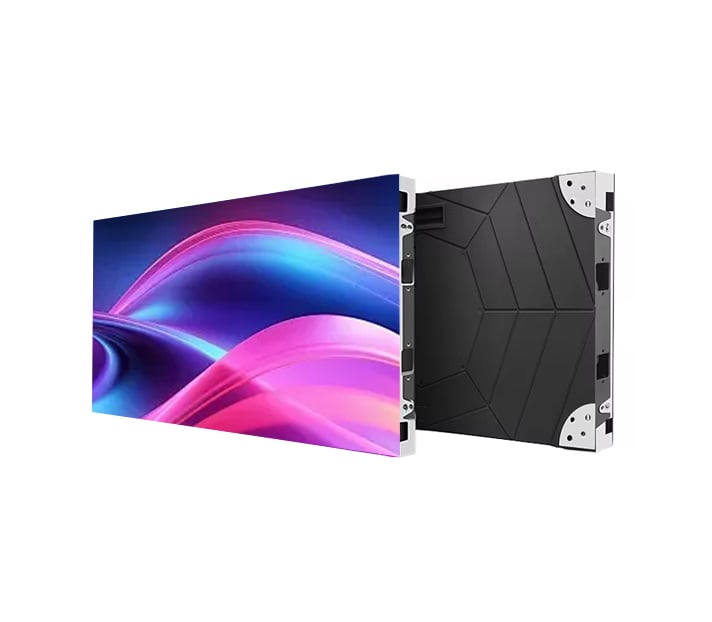
LED panels, particularly Fine Pixel Pitch (COB/GOB) displays, feature thousands of tiny, fragile light beads. Leaving these screens protruding into a room invites accidental damage.
Zero Bump Hazards: Since the screen does not stick out, passersby cannot accidentally bump into it with their shoulders or equipment.
Structural Integrity: Installers secure the display into a custom, heavy-duty steel frame bolted inside the wall cavity. This internal framework distributes the weight evenly, virtually eliminating the risk of the screen falling down.
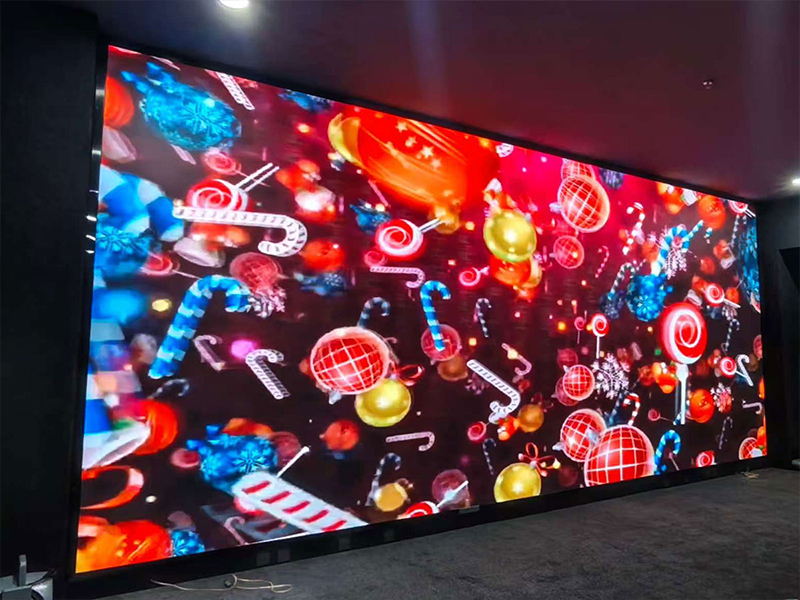
Ultimately, embedded LED screens bridge the gap between technology and interior design. Instead of looking like a giant TV slapped onto a wall, a recessed screen functions as a digital canvas. Designers can seamlessly frame the display with premium materials like brushed metal, stone veneers, or custom millwork, elevating the entire room’s aesthetic value.
While embedded installations look incredible, they require precise planning. To avoid costly mistakes down the road, make sure your contractor follows these two non-negotiable rules:
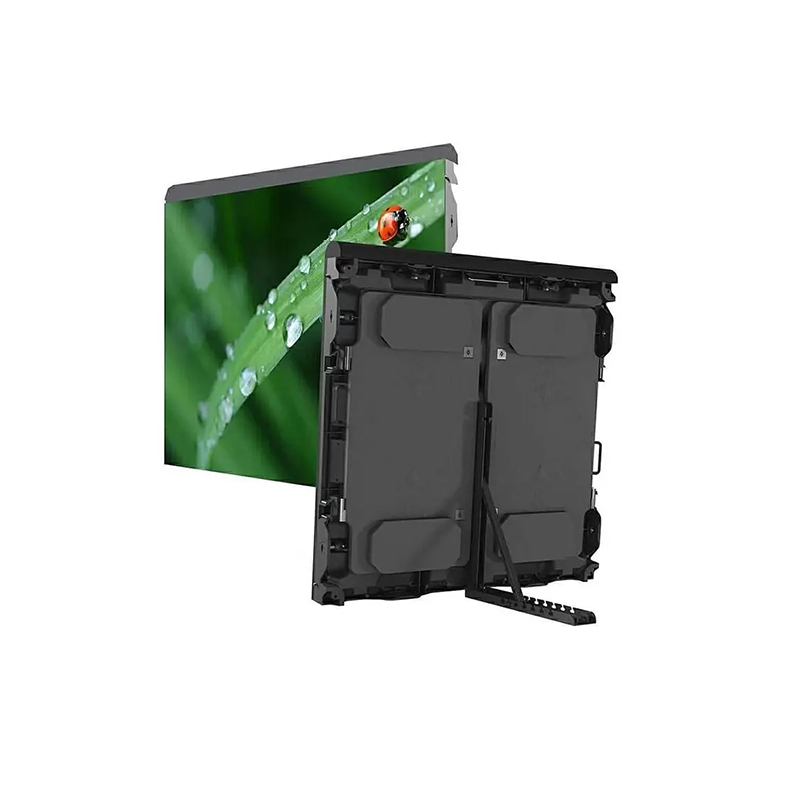
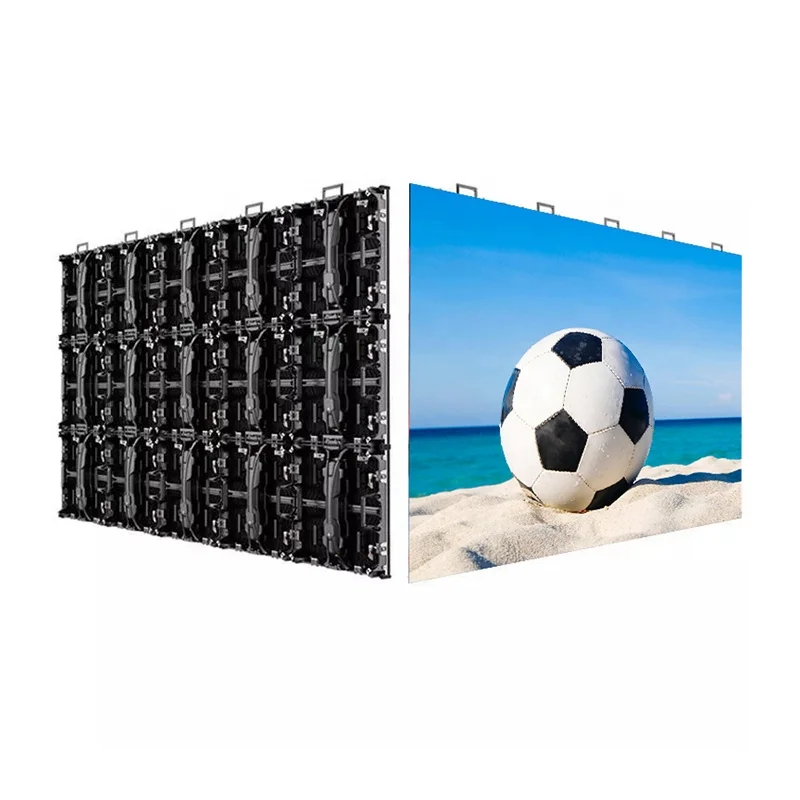
Since the back of the screen faces a solid wall cavity, you cannot access it from behind. Therefore, you must use front-maintenance LED modules. If a pixel fails, a technician can simply use a magnetic vacuum tool to pop the module out from the front, swap it in seconds, and snap it back into place.
LED screens generate a significant amount of heat, and trapping them inside a tight wall cavity can cook the electronics. To prevent premature aging or color distortion, your builder must design an active cooling path. This usually involves creating hidden intake vents at the bottom, exhaust vents at the top, or installing low-noise axial fans inside the cavity to keep the air moving.
 EN
EN
 AR
AR
 BG
BG
 HR
HR
 CS
CS
 DA
DA
 NL
NL
 FI
FI
 FR
FR
 DE
DE
 EL
EL
 HI
HI
 IT
IT
 JA
JA
 KO
KO
 NO
NO
 PL
PL
 PT
PT
 RO
RO
 RU
RU
 ES
ES
 SV
SV
 TL
TL
 ID
ID
 SR
SR
 UK
UK
 VI
VI
 ET
ET
 HU
HU
 TH
TH
 TR
TR
 FA
FA
 AF
AF
 MS
MS
 GA
GA
 HY
HY
 AZ
AZ
 MN
MN
 UZ
UZ