Home > News > Industry News
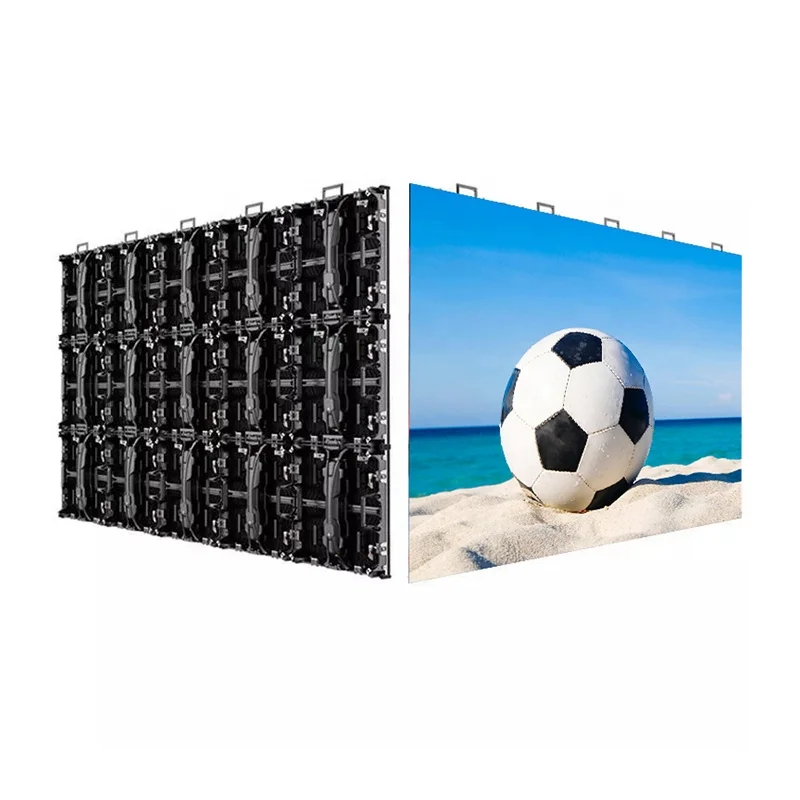
When you design a premium indoor space, every detail matters. While traditional LED installations often feel like bulky hardware slapped onto a wall, flush-mount embedded LED screens blend technology seamlessly into architecture. By sitting perfectly level with the surrounding wall, these displays eliminate visual clutter and save critical square footage.
However, because these systems require precise construction and front-serviceable parts, they work best in specific environments. If you want to know where this installation method delivers the highest return on investment, look at these five ideal applications.
Modern corporate headquarters demand clean, high-tech environments that impress clients and foster collaboration.
Why it works: Conference rooms often have limited space. Protruding wall mounts restrict the room layout and can crowd the front row.
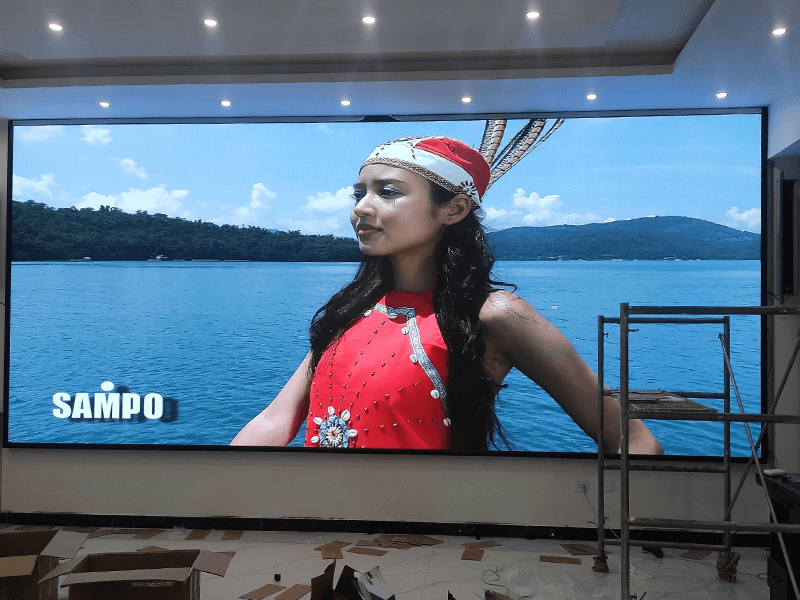
The Experience: Embedding a fine-pitch LED display into wood paneling or acoustic fabric creates a sleek, integrated look. When you launch a video conference, the screen acts like a digital window rather than a piece of office equipment, boosting the room's executive appeal.
Lobbies and experience centers represent the heart of a building’s architectural identity. Here, designers prioritize grand scales and clean lines.
Why it works: Architects dislike heavy equipment that disrupts a wall's flow. Fortunately, engineers can embed recessed screens into premium materials like marble, custom millwork, or brushed metals.
The Experience: When turned off, the screen masquerades as a clean architectural feature. When active, it displays vibrant, high-definition digital art or branding that enhances the atmosphere without overwhelming the structural design.
In the retail world, space translates directly into revenue, and visual storytelling drives sales.
Why it works: Narrow walkways, checkout backdrops, and window displays cannot afford to lose floor space. Because embedded screens take up zero room depth, they keep customer traffic flowing smoothly.
The Experience: Retailers can frame these screens with elegant metallic trims, transforming a standard display into a dynamic, high-fashion moving poster that draws customers in.
Massive public spaces like airports, subway stations, and hospitals handle thousands of moving people—and their luggage—every single day.
Why it works: High-traffic corridors pose a unique challenge. Protruding screens invite accidental damage from luggage carts and present a serious bump hazard for pedestrians.
The Experience: Embedding the screen flush with the corridor walls protects the fragile LED pixels from daily wear and tear. At the same time, it ensures that passengers can read flight schedules or wayfinding signs safely and clearly.
Television studios and virtual shooting stages rely heavily on perfect camera angles and seamless backgrounds.
Why it works: Set designers must combine physical props with digital backgrounds. A flush installation allows the LED wall to align perfectly with surrounding set pieces.
The Experience: When a camera pans across the set, the flush surface prevents the screen from casting unwanted shadows on adjacent walls. This seamless integration creates a flawless illusion of depth on camera.
You should definitely choose a flush-mount installation if your project meets these criteria:
You are building a false wall: Drywall, light steel framing, or decorative backing walls make it incredibly easy to carve out a recessed cavity.
You face strict space limitations: The room or hallway is too narrow to sacrifice even a few inches of clearance.
You have the budget for premium hardware: This method requires custom internal steel framing, precise edge finishing, and higher-end front-maintenance LED modules.
 EN
EN
 AR
AR
 BG
BG
 HR
HR
 CS
CS
 DA
DA
 NL
NL
 FI
FI
 FR
FR
 DE
DE
 EL
EL
 HI
HI
 IT
IT
 JA
JA
 KO
KO
 NO
NO
 PL
PL
 PT
PT
 RO
RO
 RU
RU
 ES
ES
 SV
SV
 TL
TL
 ID
ID
 SR
SR
 UK
UK
 VI
VI
 ET
ET
 HU
HU
 TH
TH
 TR
TR
 FA
FA
 AF
AF
 MS
MS
 GA
GA
 HY
HY
 AZ
AZ
 MN
MN
 UZ
UZ