Home > News > Industry News
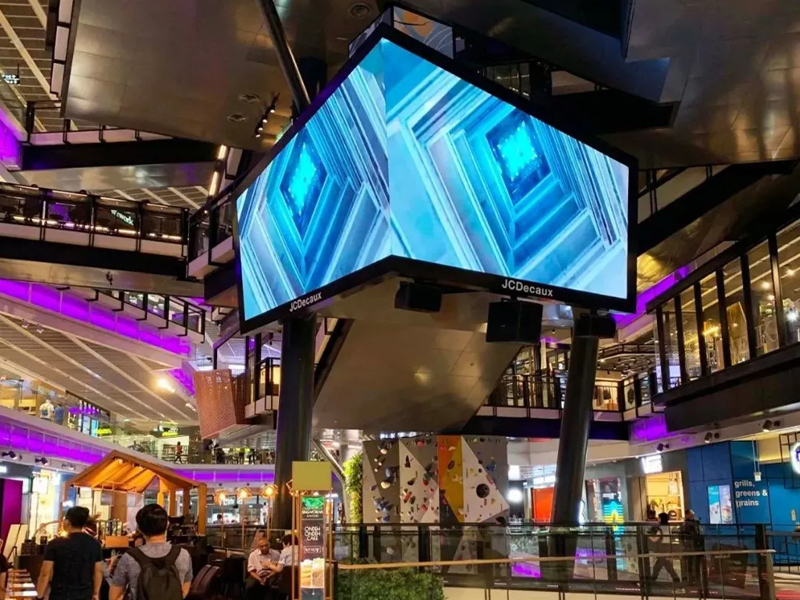
As global industries move toward carbon neutrality, LED display technology is also evolving rapidly. Today, energy efficiency is no longer an optional feature—it has become a core design requirement. Among the most impactful innovations are common cathode technology and intelligent brightness control systems, which significantly reduce power consumption while maintaining high visual performance.
Read more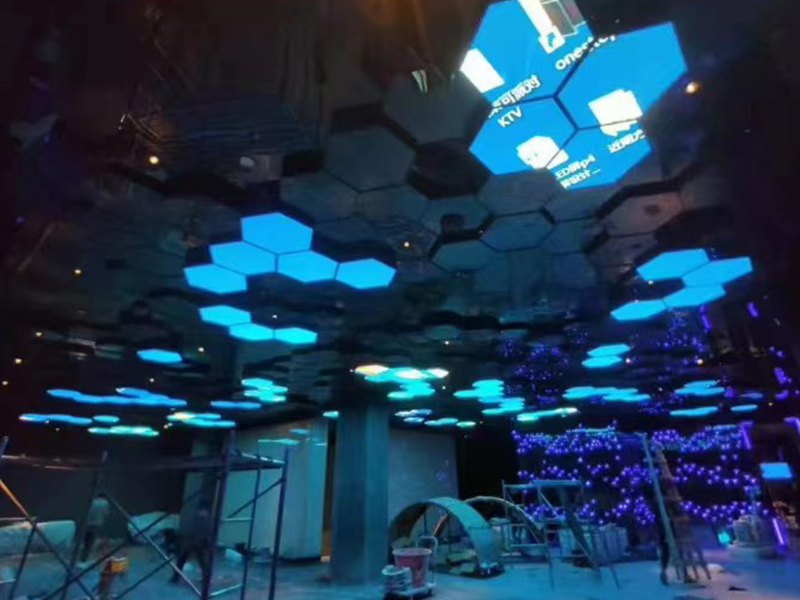
Custom cloud-shaped LED displays combine soft, organic design with dynamic digital content. As a result, they don’t just deliver information—they create atmosphere, attract attention, and enhance spatial storytelling. Below are the most effective application scenarios and how they add value in each environment.
Read more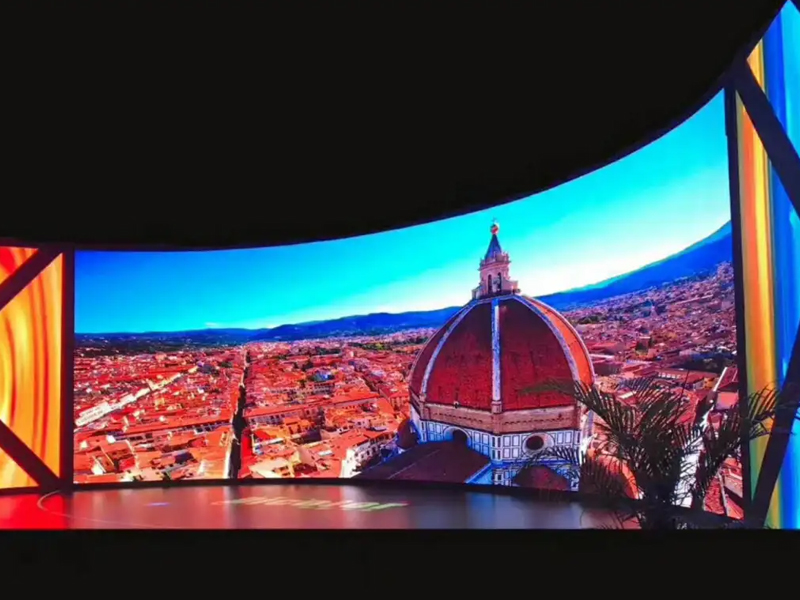
At first glance, an LED display is an LED display. Both indoor and outdoor screens use the same core technology—modular panels, RGB diodes, and digital control systems. However, once you start working with real content—especially gradients, dark scenes, and color-critical visuals—the differences become obvious.
Read more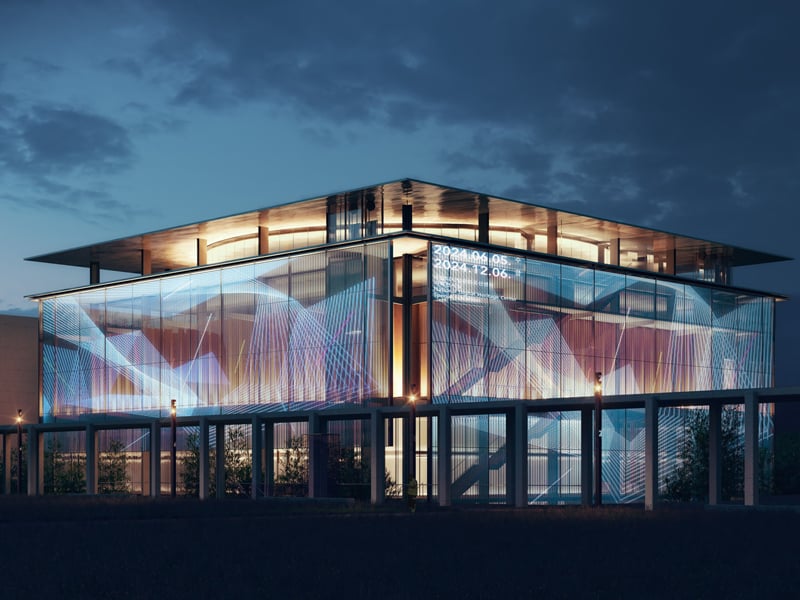
Many people assume that high-quality chips and components can handle heat without additional cooling. In reality, outdoor LED displays still require dedicated heat dissipation systems to ensure stable performance and long service life.
Read more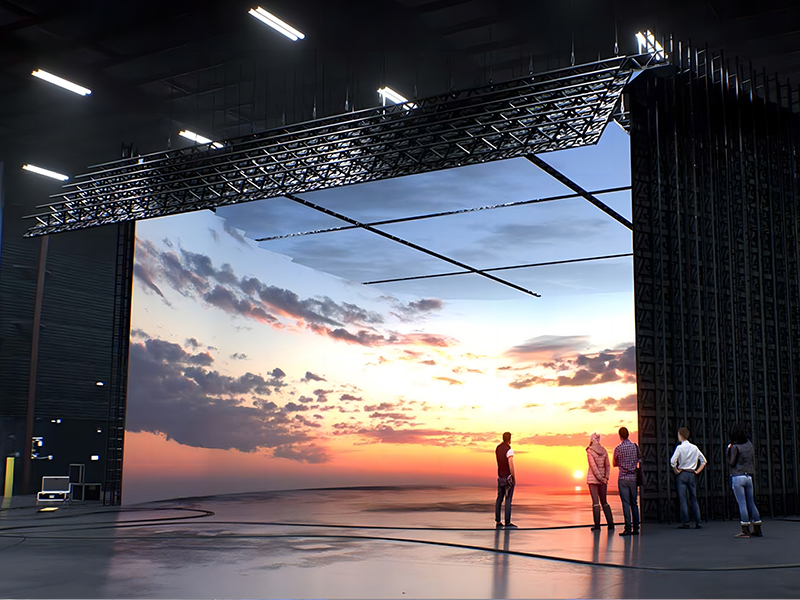
To run a complete LED display system, you need more than just the screen itself. A fully functional setup requires several interconnected components that handle video input, signal processing, power distribution, and final display output.
Read more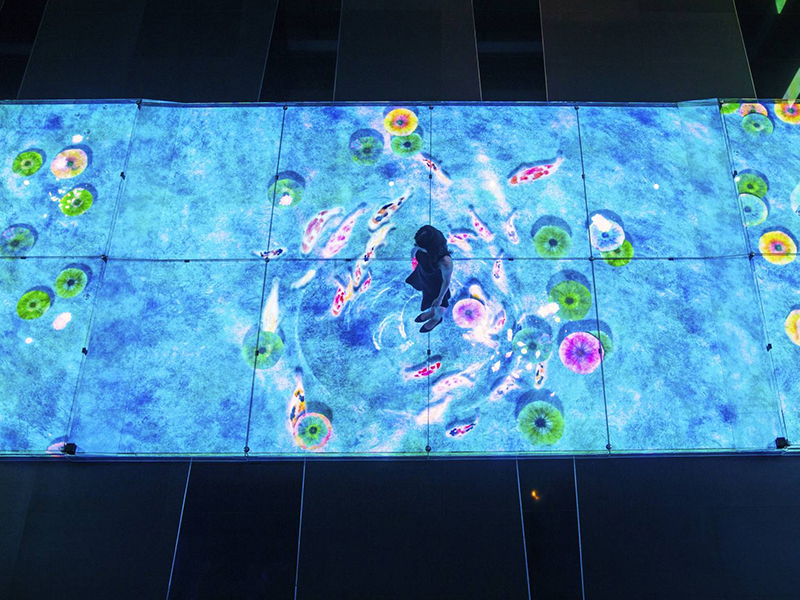
Under normal operating conditions, an LED floor screen typically lasts between 5 and 8 years. However, actual lifespan depends on how you use, maintain, and protect the system over time. If you manage it properly, you can push performance closer to the upper limit—or even beyond.
Read more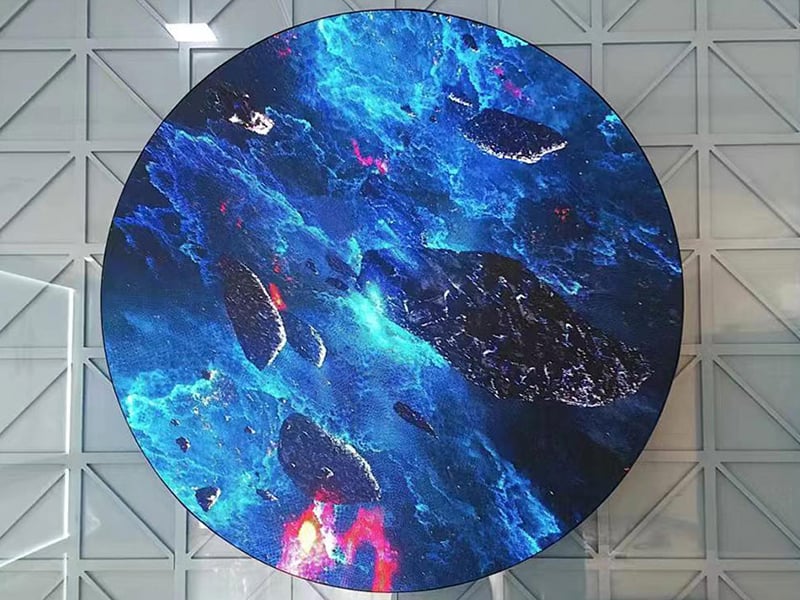
Flat circular LED displays break away from the visual limitations of traditional rectangular screens. By adopting a clean, geometric circular form, they naturally draw attention and create a strong focal point within any space. At the same time, they offer high adaptability, creative flexibility, and stable high-definition performance.
Read more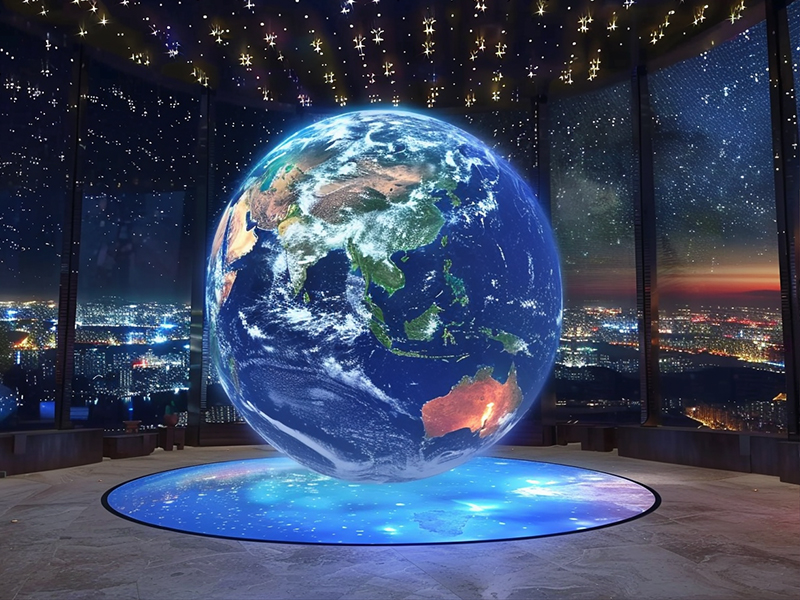
Manufacturers like Toosen have already responded to this shift. Their spherical LED displays deliver high resolution and dense pixel pitch, allowing them to reproduce images with excellent clarity, uniform color, and strong contrast. At the same time, their engineering approach improves both installation efficiency and structural reliability.
Read more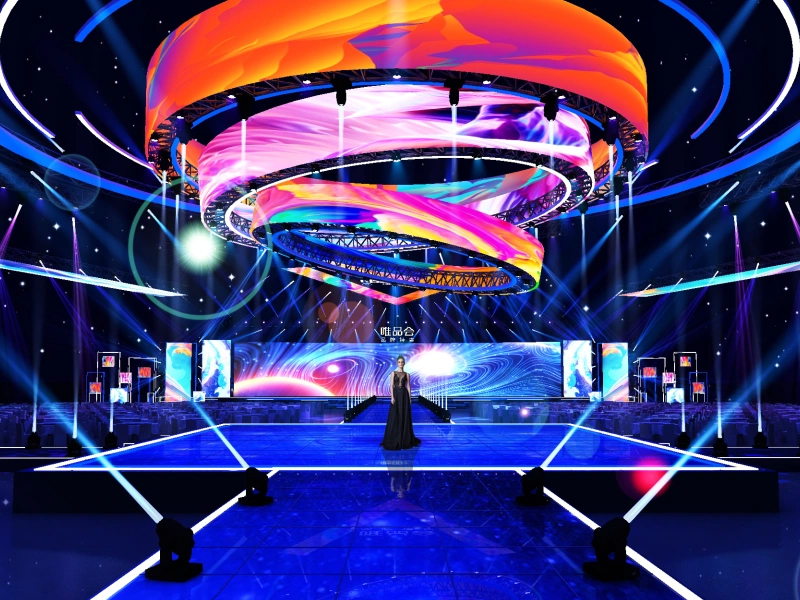
In recent years, flexible LED displays have emerged as one of the most eye-catching segments in the LED industry. Unlike traditional rigid panels, these displays use bendable materials, allowing them to form curves, waves, and even fully wrapped structures.
Read more EN
EN
 AR
AR
 BG
BG
 HR
HR
 CS
CS
 DA
DA
 NL
NL
 FI
FI
 FR
FR
 DE
DE
 EL
EL
 HI
HI
 IT
IT
 JA
JA
 KO
KO
 NO
NO
 PL
PL
 PT
PT
 RO
RO
 RU
RU
 ES
ES
 SV
SV
 TL
TL
 ID
ID
 SR
SR
 UK
UK
 VI
VI
 ET
ET
 HU
HU
 TH
TH
 TR
TR
 FA
FA
 AF
AF
 MS
MS
 GA
GA
 HY
HY
 AZ
AZ
 MN
MN
 UZ
UZ