Home > News > Industry News
Successful LED integration involves more than technical installation. The display should complement the surrounding architecture instead of overpowering it.
Installers can select frame finishes and border treatments that harmonize with the building materials. Bronze or muted metallic tones, for example, often suit heritage environments better than glossy industrial finishes.
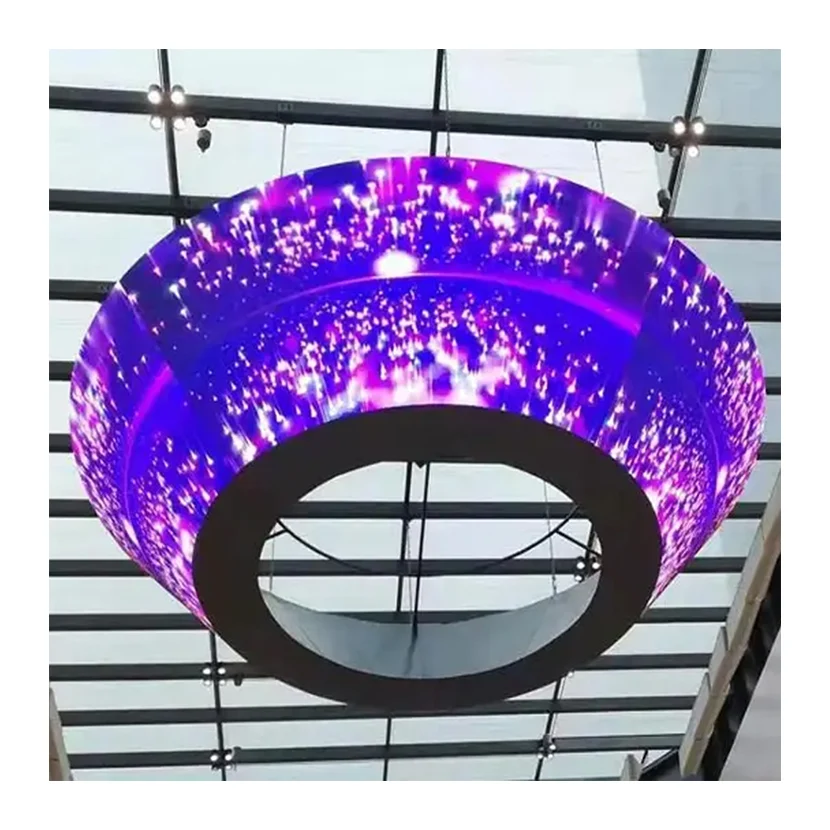
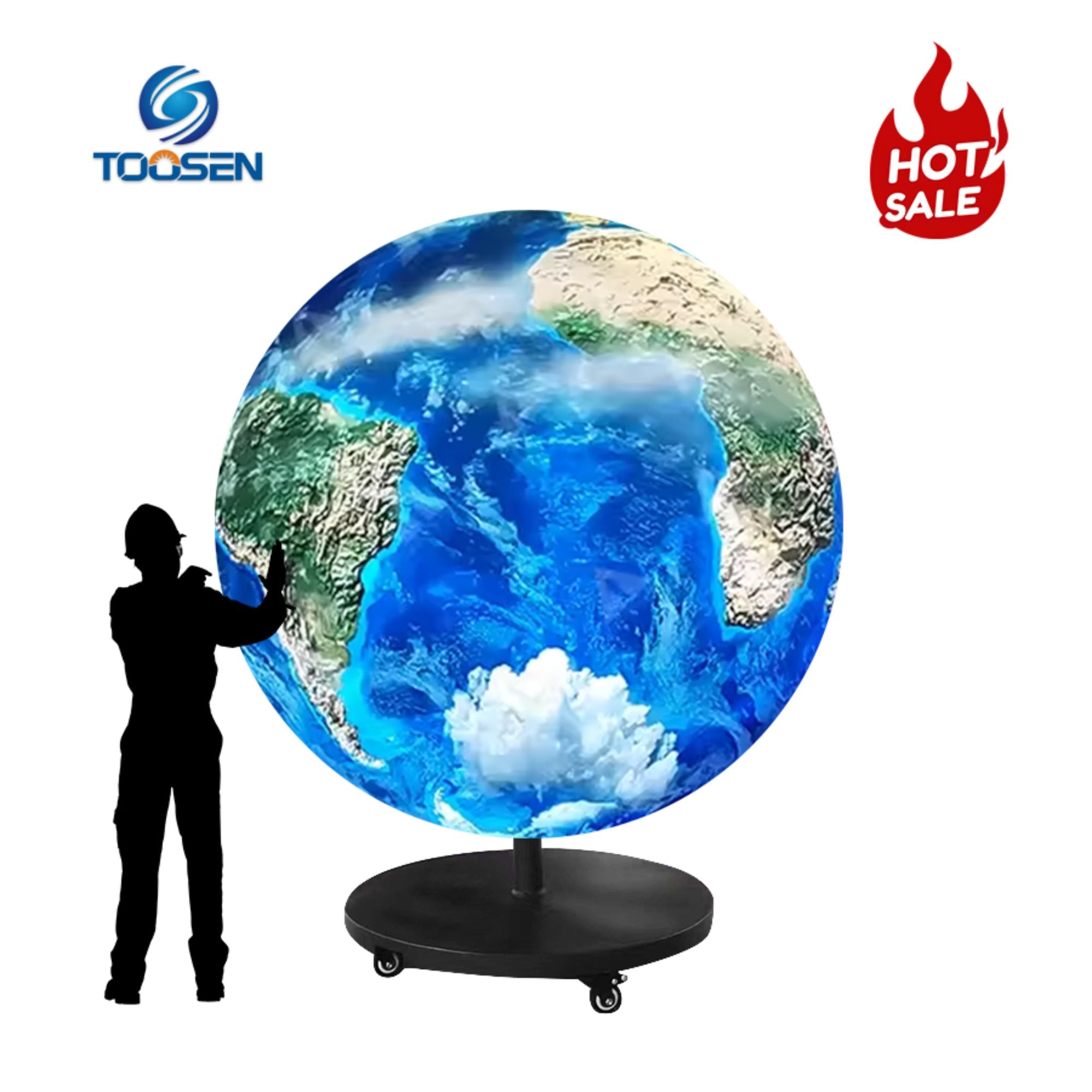
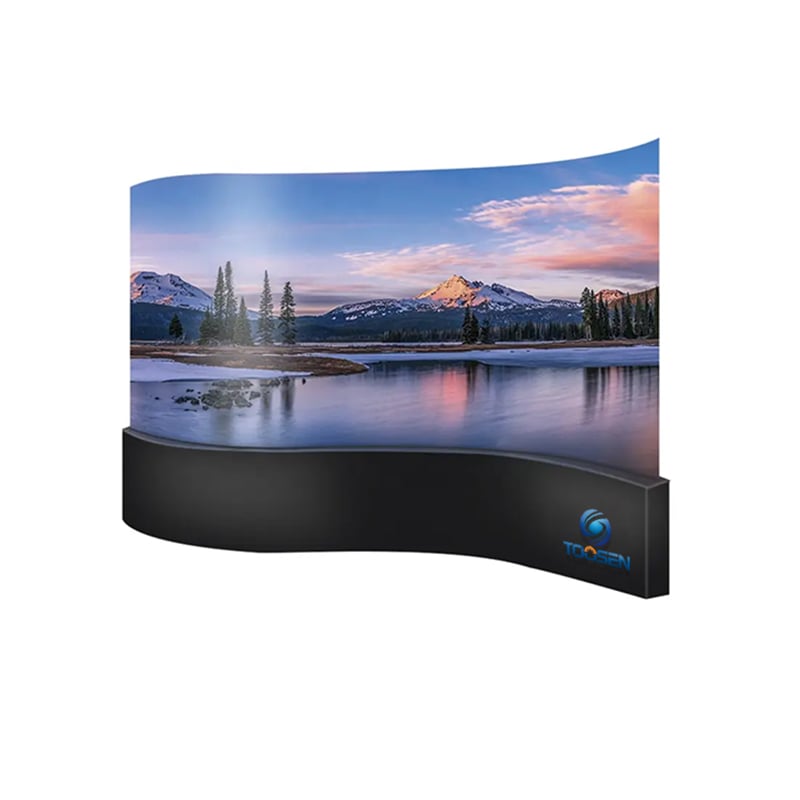
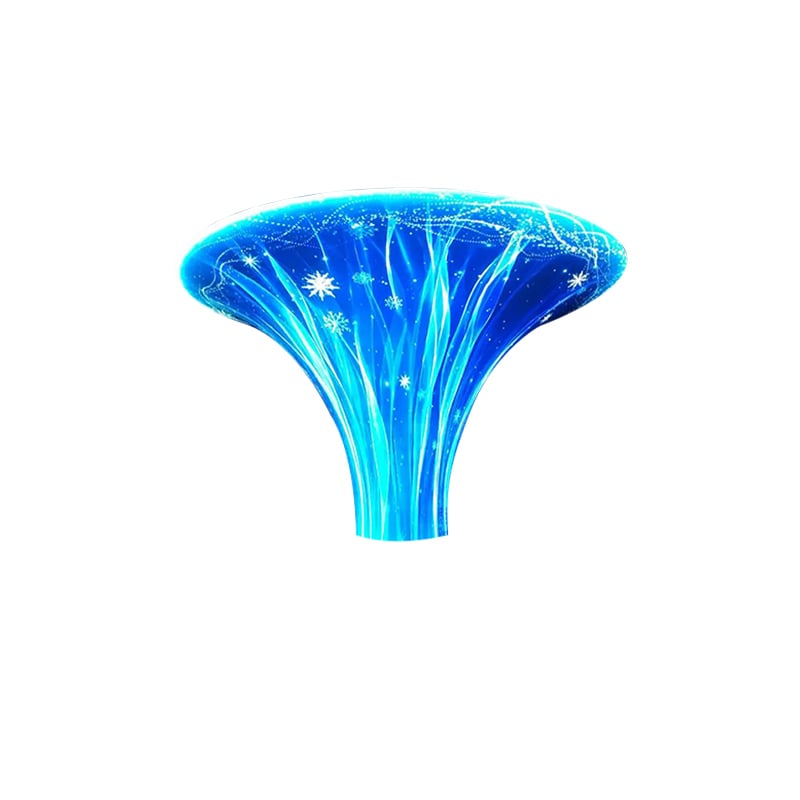
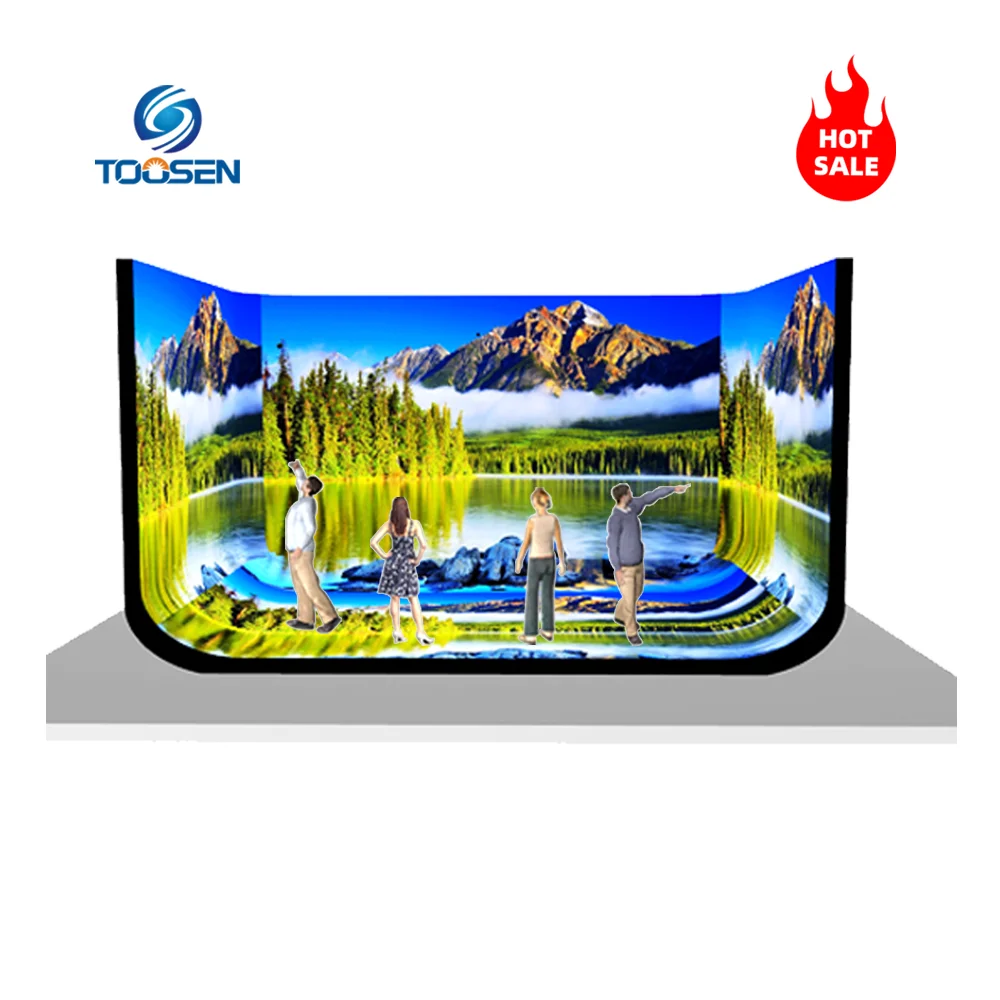
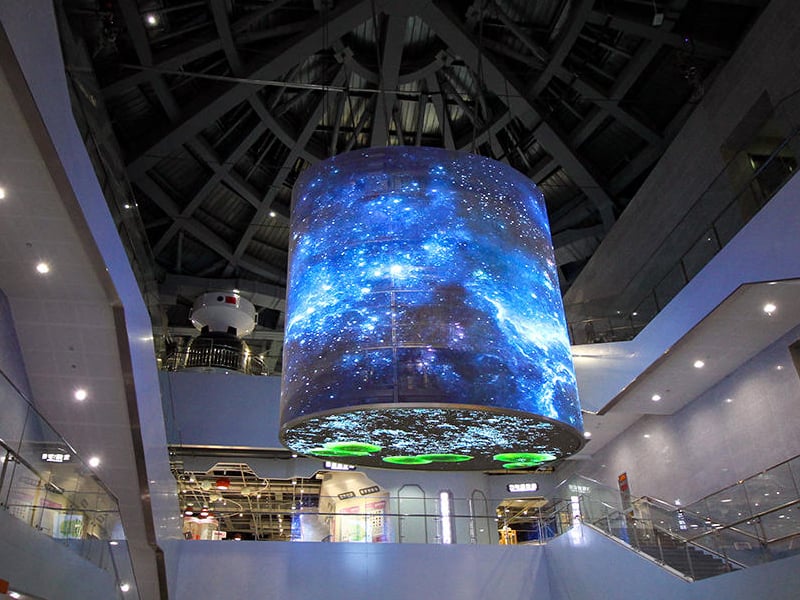
Modern manufacturing allows LED screens to take almost any form. Instead of forcing rectangular panels into unusual spaces, designers can create circular, triangular, ribbon-shaped, or completely custom displays that match the architecture.
Ambient light sensors and automated control systems help displays adapt throughout the day. In hotel lobbies, the screen can reduce brightness during the evening to create a comfortable atmosphere. In sports venues or entertainment districts, it can automatically increase brightness during major events to maximize visibility.
The museum’s complex titanium curves demonstrate how advanced LED technology can conform to highly irregular architectural surfaces. Carefully engineered micro-scale display solutions allow digital content to blend seamlessly with the building’s iconic design.
Conceptual rotating skyscrapers present unique engineering challenges because moving structures require adaptable display systems. Stretchable or mesh-based LED technologies offer potential solutions by accommodating motion while maintaining visual continuity.
Many retailers operating inside historic city centers use transparent LED screens to showcase advertising and promotions without blocking windows or altering protected façades. This approach preserves both natural lighting and architectural appeal.
To achieve the best results:
Integrating LED screens into special, irregular, or historic buildings requires thoughtful planning and innovative technology. Rather than forcing standard displays into unconventional spaces, designers can use flexible modules, transparent panels, lightweight structures, and custom shapes to create installations that respect the architecture while delivering striking visual experiences.
As LED technology continues to evolve, buildings themselves are becoming dynamic digital canvases where architecture and media work together to engage visitors, strengthen brand identity, and redefine public spaces.
 EN
EN
 AR
AR
 BG
BG
 HR
HR
 CS
CS
 DA
DA
 NL
NL
 FI
FI
 FR
FR
 DE
DE
 EL
EL
 HI
HI
 IT
IT
 JA
JA
 KO
KO
 NO
NO
 PL
PL
 PT
PT
 RO
RO
 RU
RU
 ES
ES
 SV
SV
 TL
TL
 ID
ID
 SR
SR
 UK
UK
 VI
VI
 ET
ET
 HU
HU
 TH
TH
 TR
TR
 FA
FA
 AF
AF
 MS
MS
 GA
GA
 HY
HY
 AZ
AZ
 MN
MN
 UZ
UZ