Home > News > Industry News
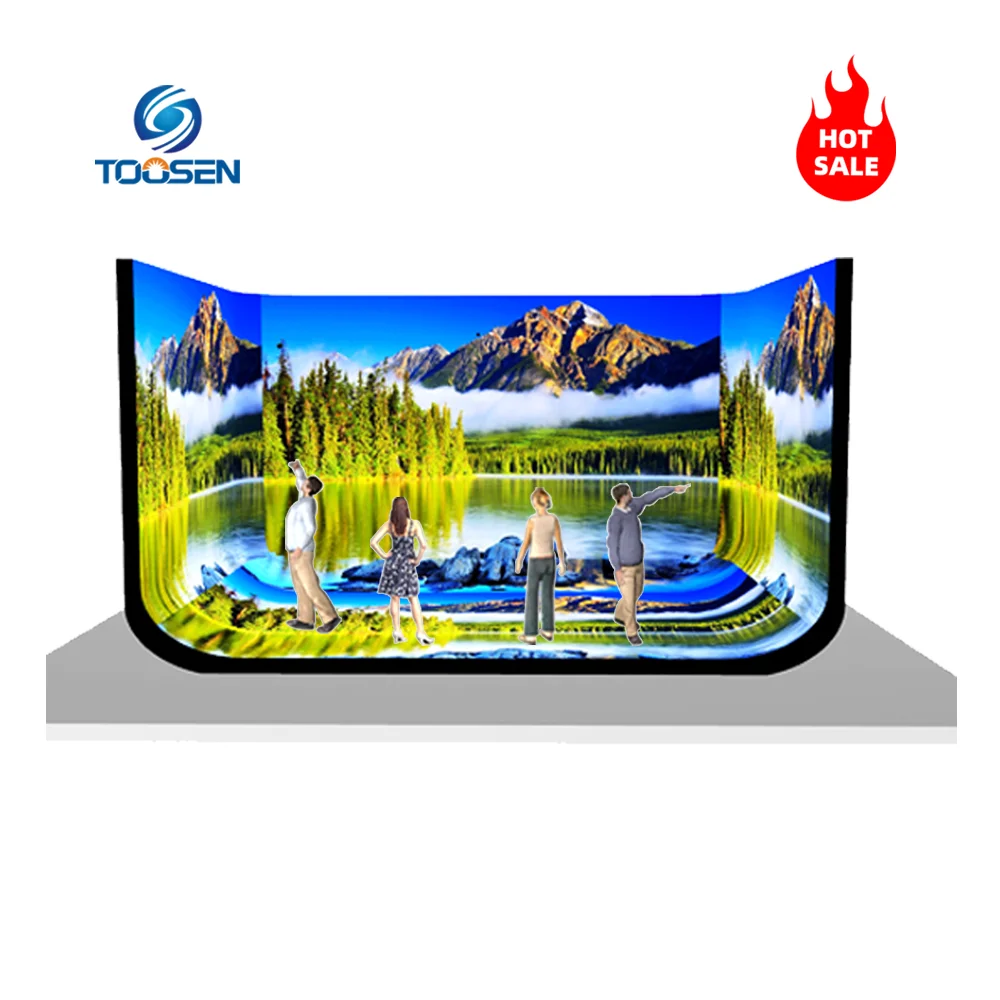
Architects no longer design buildings as simple rectangular structures. Today’s skylines feature curved façades, twisting towers, glass curtain walls, and centuries-old landmarks that demand careful preservation. As a result, integrating an LED screen into these spaces requires more than standard installation techniques.
Fortunately, advances in LED technology have made it possible to blend digital displays with almost any architectural style. Flexible modules, transparent panels, lightweight materials, and custom engineering allow designers to create immersive visual experiences without compromising structural integrity or aesthetics.
Every unique building presents its own engineering obstacles. Before choosing a display solution, designers and installers must evaluate the architecture itself.
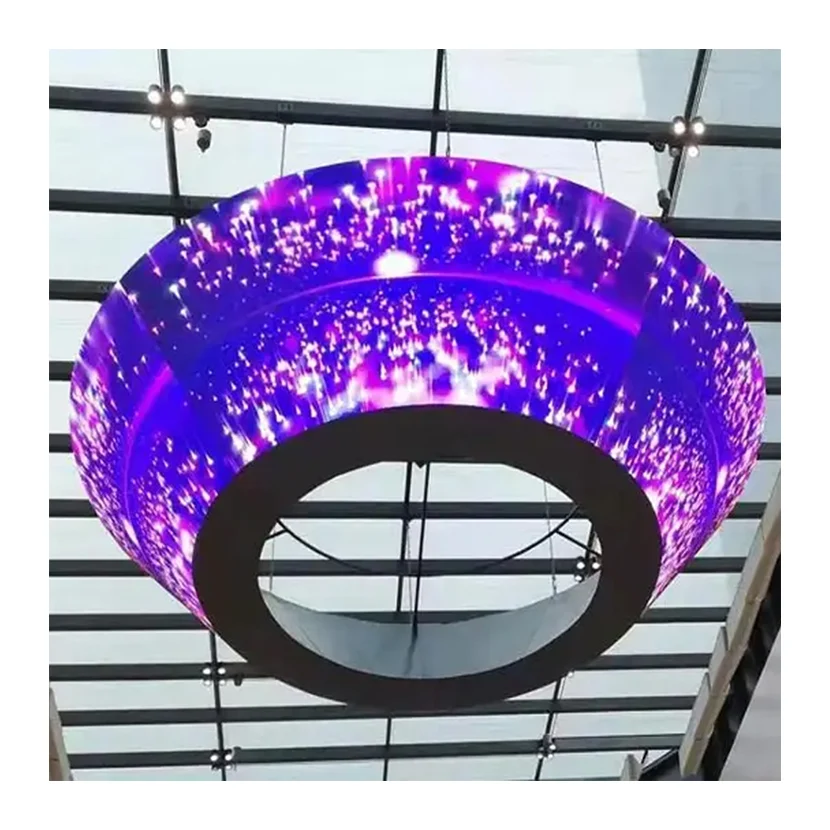
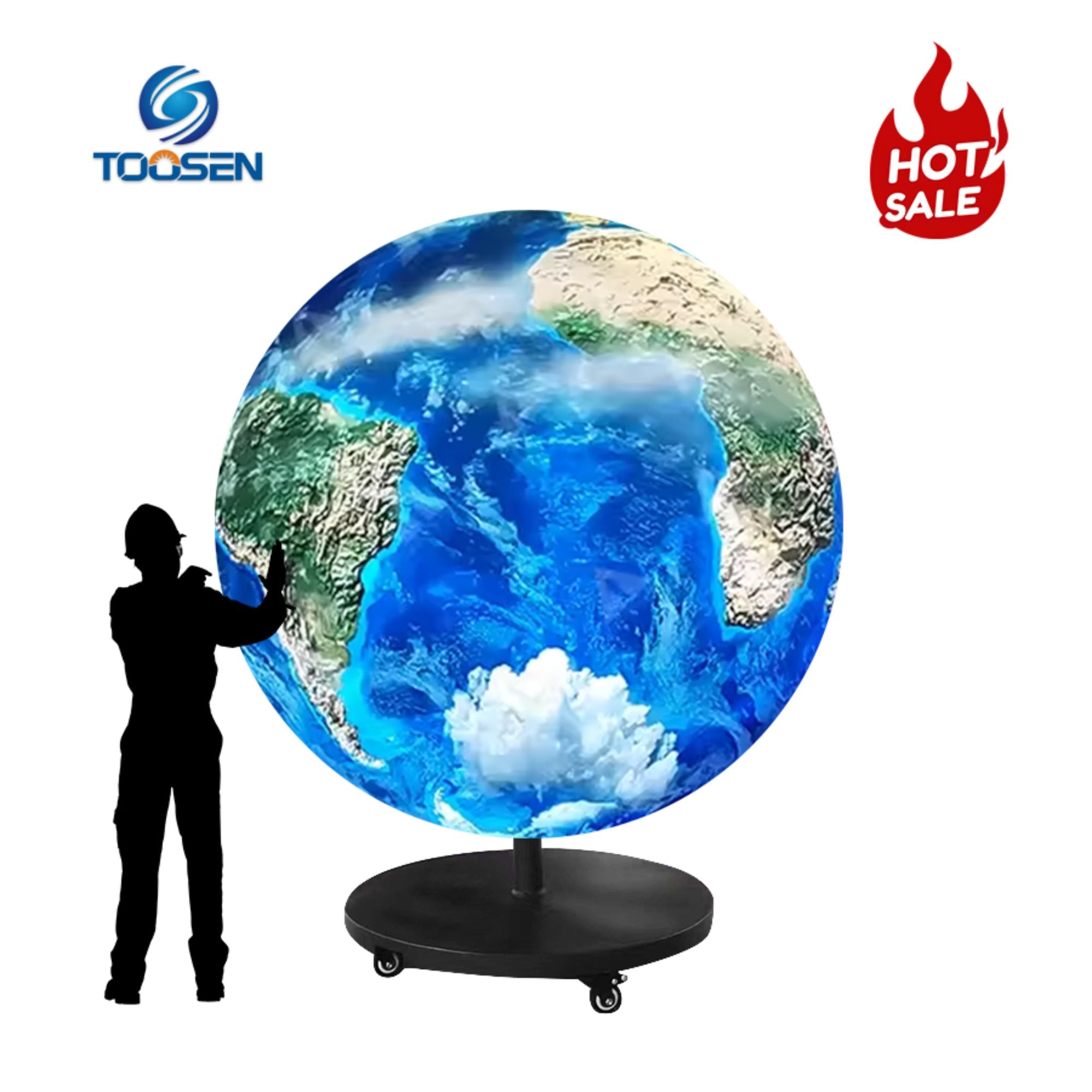
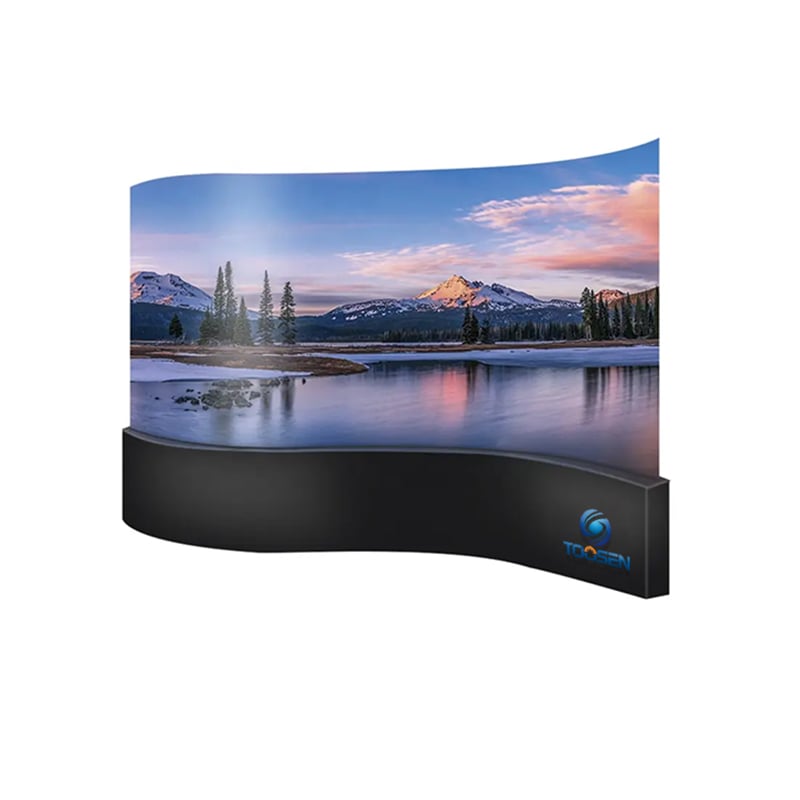
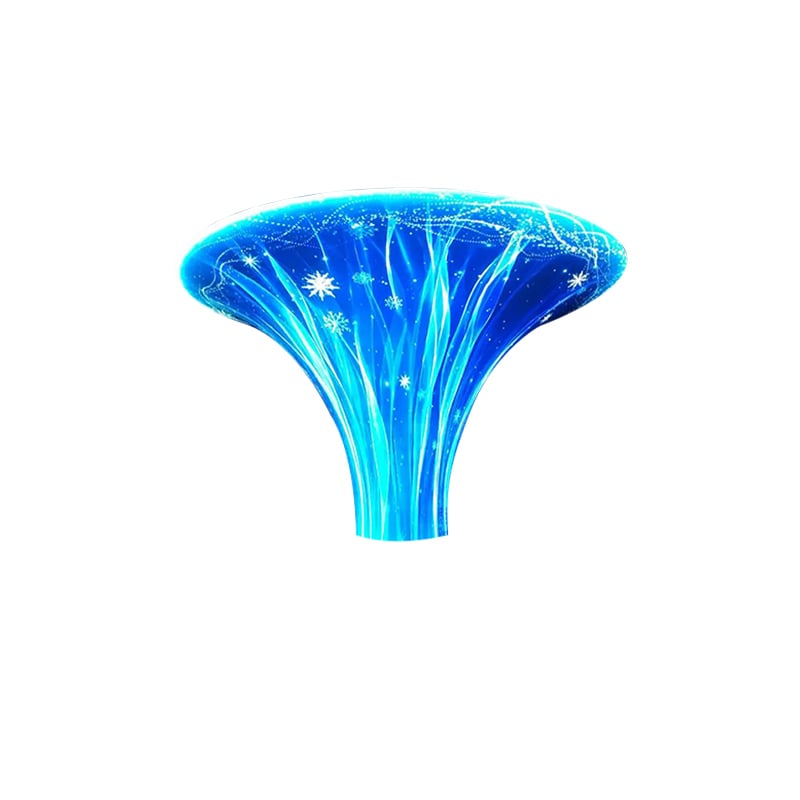
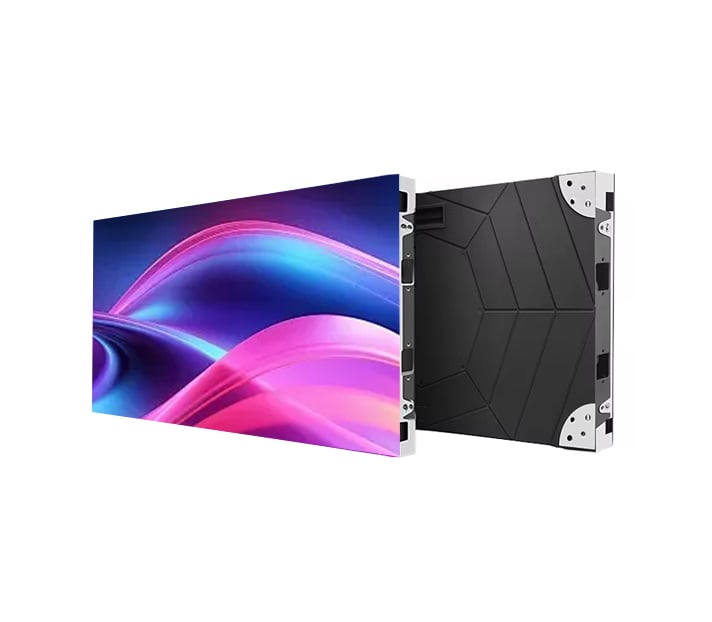
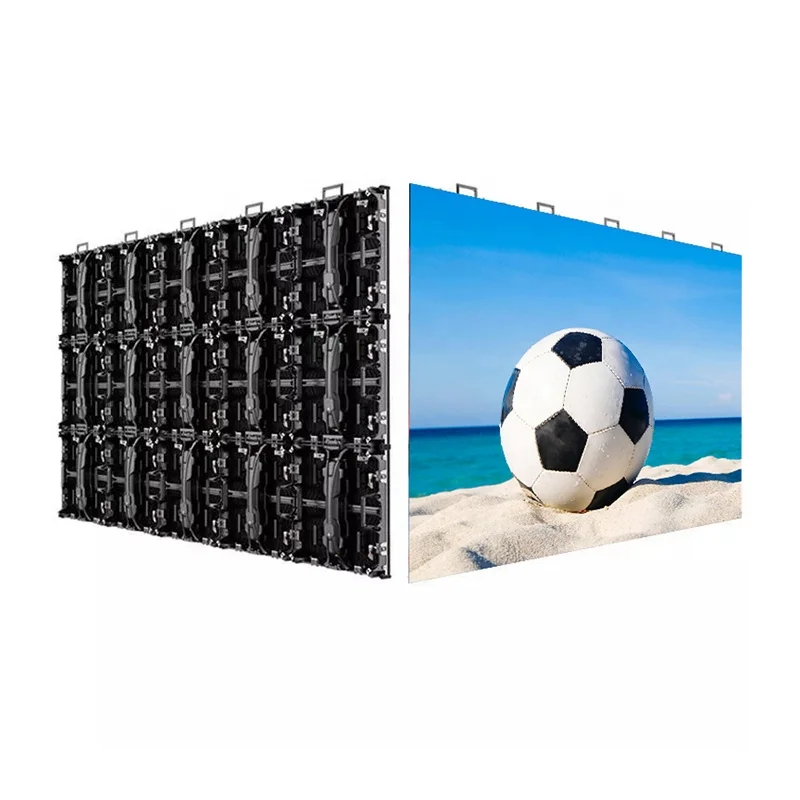
Traditional LED cabinets work well on flat walls, but they struggle to follow circular, wavy, or free-form structures. Gaps between rigid panels can disrupt the appearance and reduce visual impact.
Some buildings, especially cantilevered structures or lightweight façades, have strict load-bearing requirements. Heavy display systems may exceed the allowable structural capacity or require costly reinforcement.
Glass curtain walls, timber frameworks, and historic masonry often cannot support conventional mounting methods. In many cases, installers must avoid drilling or making permanent alterations.
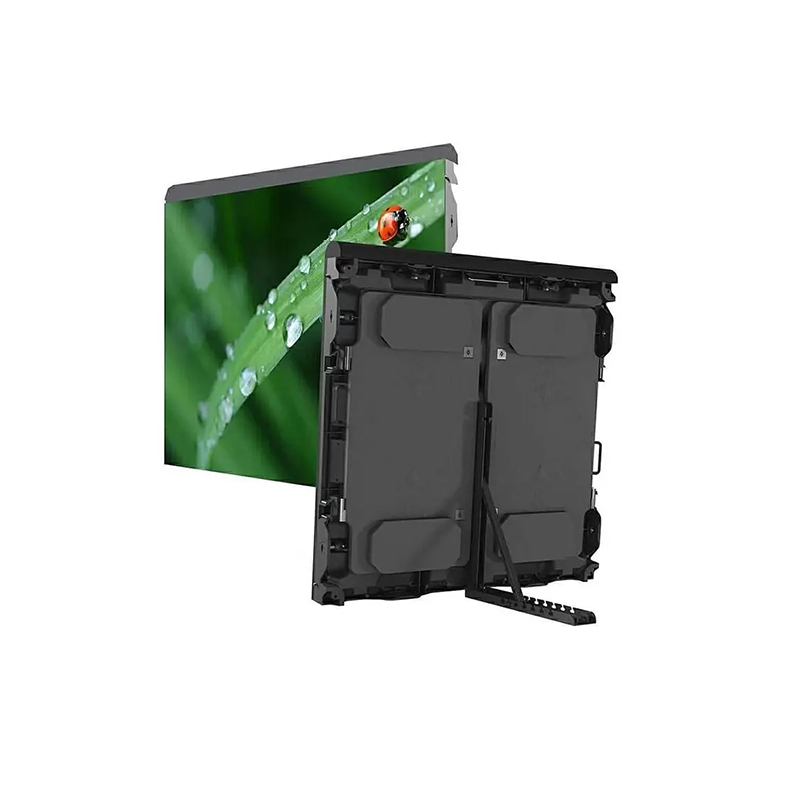
Outdoor installations face strong winds, vibration, temperature fluctuations, and direct sunlight. High-rise projects demand displays that maintain brightness and reliability even under challenging weather conditions.
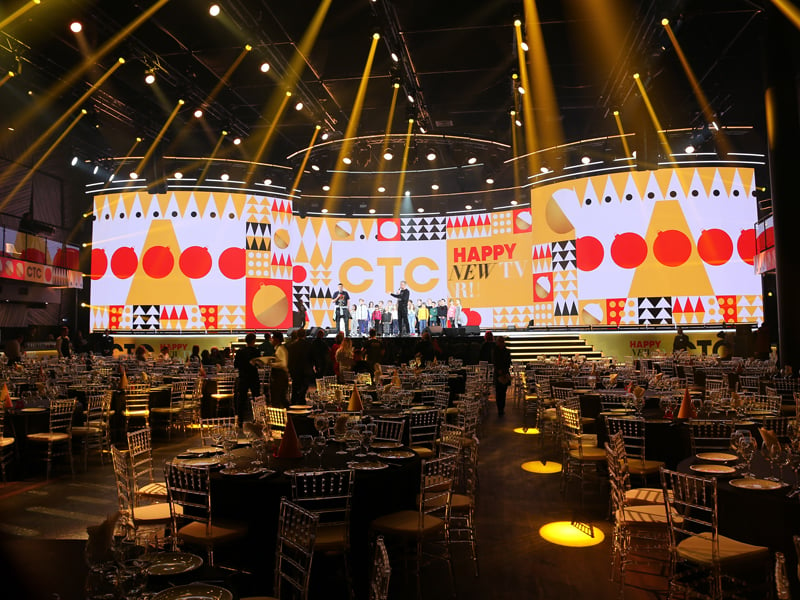
Flexible LED technology has transformed the way designers approach unconventional architecture.
Unlike rigid panels, flexible LED modules use bendable substrates and magnetic mounting systems that conform to curved surfaces. Manufacturers can also produce customized module sizes to match specific project requirements.
These displays work particularly well for:
As a result, designers can create seamless digital surfaces that appear to flow naturally with the building.
Historic buildings require a different strategy. Preservation regulations often prohibit permanent structural modifications, making conventional LED installations impractical.
Transparent LED screens offer an elegant alternative. Because they allow natural light to pass through and maintain visibility behind the display, they minimize their visual impact on the original architecture.
Their lightweight construction also supports non-invasive mounting systems that reduce stress on delicate structures. Retail stores, heritage sites, and cultural venues can therefore introduce digital content while preserving the building’s historical character.
Tall buildings expose LED installations to harsh environmental conditions. Strong winds, intense sunlight, and constant temperature changes place additional demands on the display system.
For these projects, engineers often specify outdoor LED solutions with:
These features help ensure reliable operation even at significant elevations.
 EN
EN
 AR
AR
 BG
BG
 HR
HR
 CS
CS
 DA
DA
 NL
NL
 FI
FI
 FR
FR
 DE
DE
 EL
EL
 HI
HI
 IT
IT
 JA
JA
 KO
KO
 NO
NO
 PL
PL
 PT
PT
 RO
RO
 RU
RU
 ES
ES
 SV
SV
 TL
TL
 ID
ID
 SR
SR
 UK
UK
 VI
VI
 ET
ET
 HU
HU
 TH
TH
 TR
TR
 FA
FA
 AF
AF
 MS
MS
 GA
GA
 HY
HY
 AZ
AZ
 MN
MN
 UZ
UZ