Home > News > Industry News
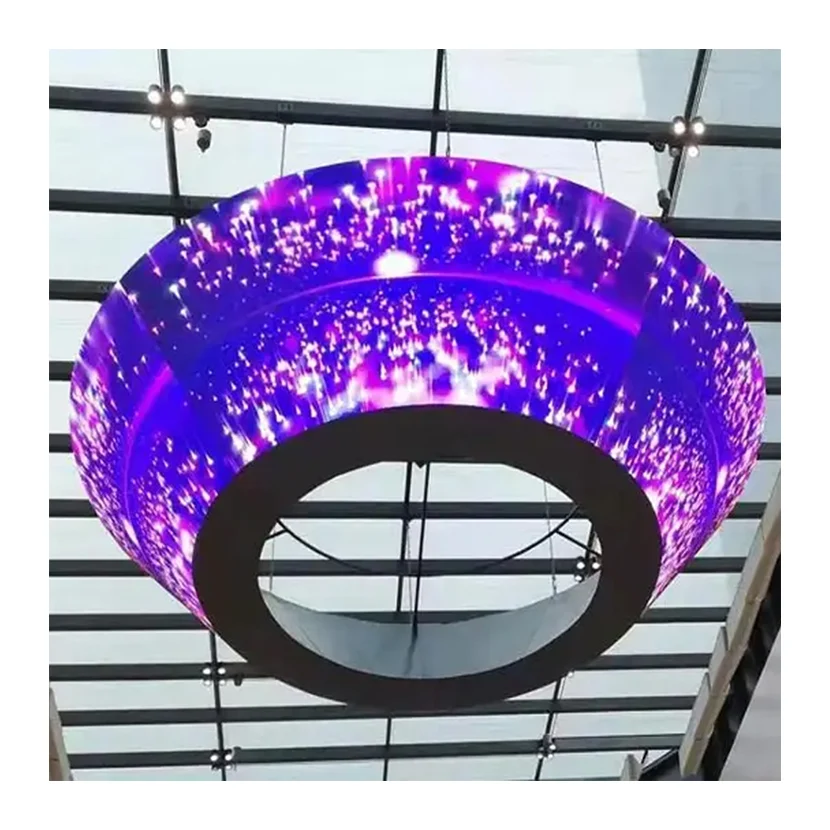
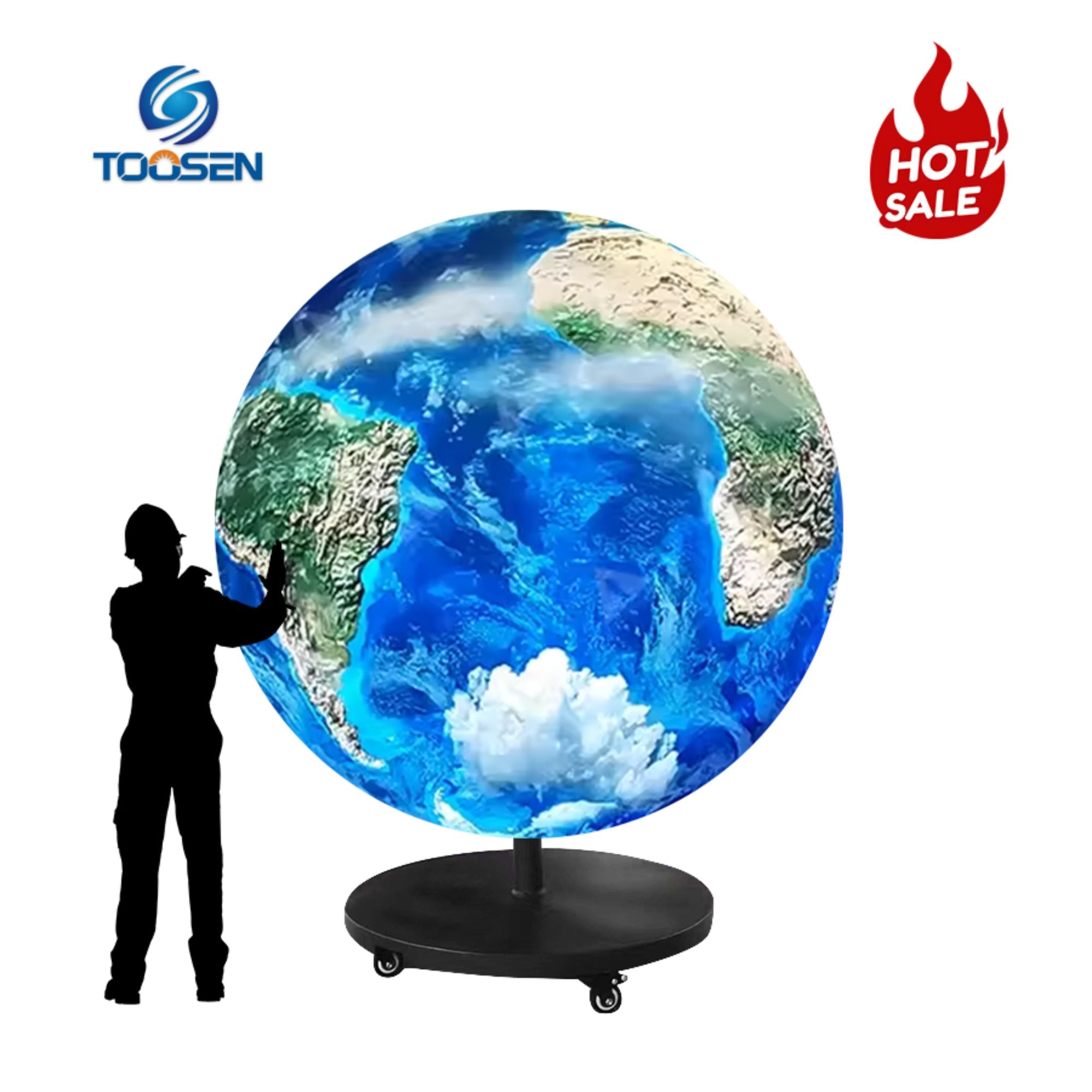
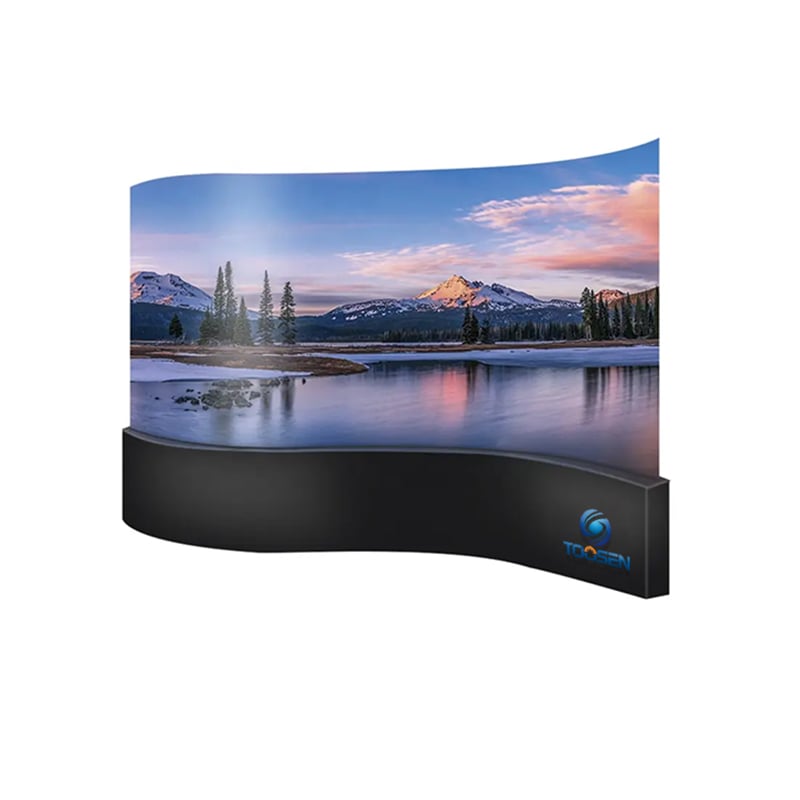
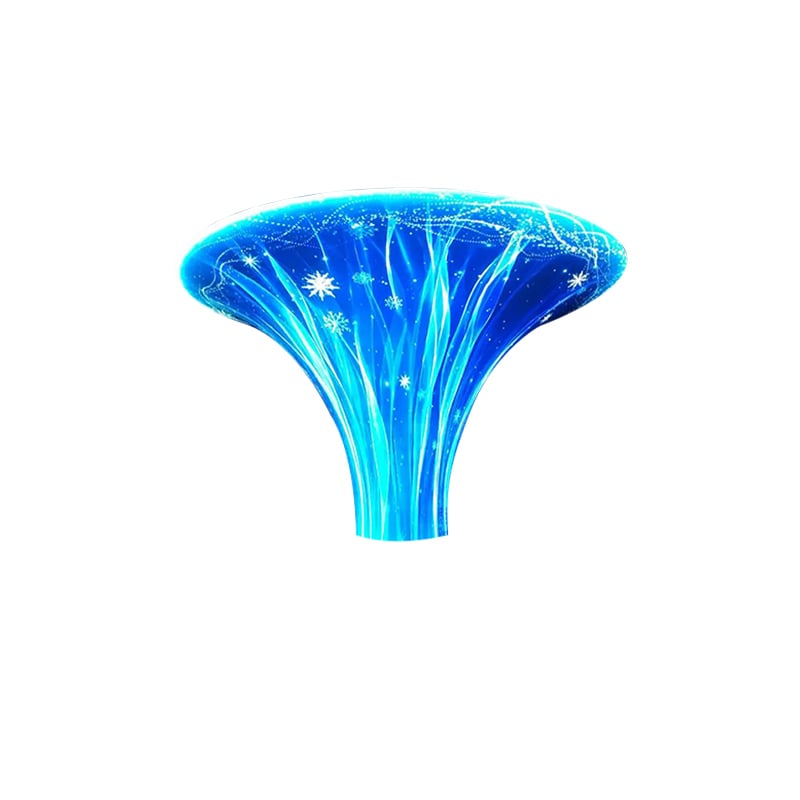
Custom-shaped LED displays can transform a space and create unforgettable visual experiences. Whether you plan to install a curved LED wall, spherical LED screen, wave-shaped display, or any other creative LED installation, the screen itself is only part of the total investment.
Many buyers focus on the display price and overlook several hidden costs that can significantly impact the project budget. Understanding these expenses early can help you avoid surprises and make better purchasing decisions.
In this guide, we'll break down the most common hidden costs associated with custom LED display projects.
Unlike standard rectangular LED screens, irregular LED displays require custom support systems. In many projects, the structure costs can account for a substantial portion of the total budget.
Every creative LED display requires a frame that matches its unique shape.
Common additional expenses include:
Because manufacturers cannot use standard production methods, custom steel structures often cost two to four times more than conventional LED display frames.
Creative LED screens usually require specially designed cabinets.
As a result:
Custom cabinets typically increase hardware costs by 30% to 60%.
Large suspended, curved, or irregular displays often require professional structural analysis.
Engineers may need to provide:
These services add another layer of project expense, especially for commercial buildings and public venues.
Installation costs often rise quickly when dealing with non-standard LED shapes.
Curved, angled, or suspended displays usually require:
These components rarely come with the LED screen itself.
Sometimes walls or ceilings cannot support the weight of the display.
In these situations, contractors may need to:
This extra work can significantly increase installation costs.
Many custom-shaped LED displays cannot sit flush against a wall.
Instead, installers must leave space behind the screen for:
Consequently, the project may require more installation space than originally planned.
Creative LED displays often require more advanced control systems than standard LED screens.
Traditional LED controllers work best with rectangular displays.
However, irregular LED screens require pixel mapping technology to correctly display content across unique shapes.
This often means investing in:
In many cases, controller costs can double compared to conventional LED projects.
Large retail spaces, museums, and exhibition halls often spread creative LED displays across multiple locations.
To maintain stable signal quality, projects may require:
These additional components can become a significant hidden expense.
When several LED sections work together to create one image, technicians must ensure perfect synchronization.
This process involves:
Because the work requires experienced technicians, labor costs can become substantial.
Many commercial environments require 24/7 operation.
To minimize downtime, businesses often install:
These systems can add 20% to 30% to the control system budget.
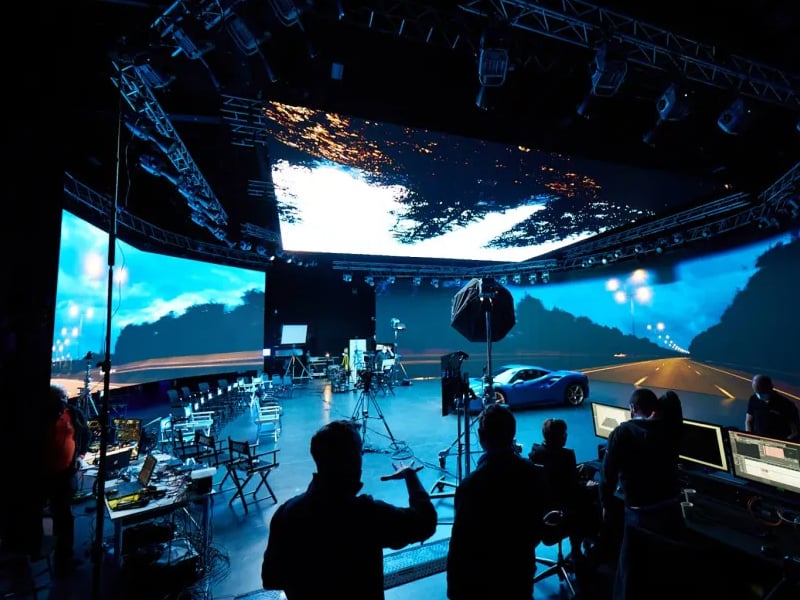
Content adaptation is one of the most overlooked expenses in custom LED display projects.
Most videos are created in a standard 16:9 format.
Unfortunately, unusual display shapes rarely match standard resolutions.
Therefore, content creators often need to:
Without proper adaptation, important visual elements may disappear or appear distorted.
Many brands combine creative LED displays with naked-eye 3D effects.
To achieve these visual experiences, designers must:
This process requires specialized expertise and software, making content production a major budget category.
LED displays need fresh content to remain effective.
Many companies invest in:
Annual content expenses can easily reach 10% to 20% of the hardware investment.
A standard content management system may not support complex display layouts.
As a result, businesses often need customized CMS platforms that can handle:
Custom LED displays often create unique thermal and electrical challenges.
Standard airflow solutions may not work on:
Engineers may need to design custom ventilation systems to prevent overheating.
Because irregular displays often spread across multiple sections, they cannot always share a centralized power supply.
Instead, installers may need:
Creative LED displays sometimes have lower cooling efficiency than flat screens.
To ensure stable operation, engineers typically build extra power capacity into the system.
This precaution increases both equipment and operating costs.
Many shopping malls, airports, and public buildings require LED displays to integrate with existing fire protection systems.
Requirements may include:
Meeting these regulations often adds unexpected costs during installation.
Maintenance becomes more complicated when a display uses non-standard components.
Unlike standard LED products, creative LED modules are usually custom-made.
If a module fails years later, finding a replacement may be difficult.
For this reason, many operators purchase extra spare modules during production, typically representing 5% to 10% of the project value.
Embedded and curved LED installations often limit technician access.
To simplify future repairs, projects may require:
Adding these features during construction can save money later but increases the initial budget.
Creative LED displays face unique mechanical stresses.
Before purchasing, buyers should clearly define whether the warranty covers:
Clear warranty terms help prevent disputes and unexpected repair costs.
The price of a custom-shaped LED display goes far beyond the cost of the screen itself. Structural engineering, installation, control systems, content creation, cooling, power distribution, and long-term maintenance can all significantly affect the total project investment.
Before starting a creative LED display project, request a detailed cost breakdown from your supplier and evaluate the entire lifecycle cost—not just the hardware price. A well-planned budget will help ensure your custom LED installation delivers both outstanding visual impact and long-term value.
 EN
EN
 AR
AR
 BG
BG
 HR
HR
 CS
CS
 DA
DA
 NL
NL
 FI
FI
 FR
FR
 DE
DE
 EL
EL
 HI
HI
 IT
IT
 JA
JA
 KO
KO
 NO
NO
 PL
PL
 PT
PT
 RO
RO
 RU
RU
 ES
ES
 SV
SV
 TL
TL
 ID
ID
 SR
SR
 UK
UK
 VI
VI
 ET
ET
 HU
HU
 TH
TH
 TR
TR
 FA
FA
 AF
AF
 MS
MS
 GA
GA
 HY
HY
 AZ
AZ
 MN
MN
 UZ
UZ