Home > News > Industry News
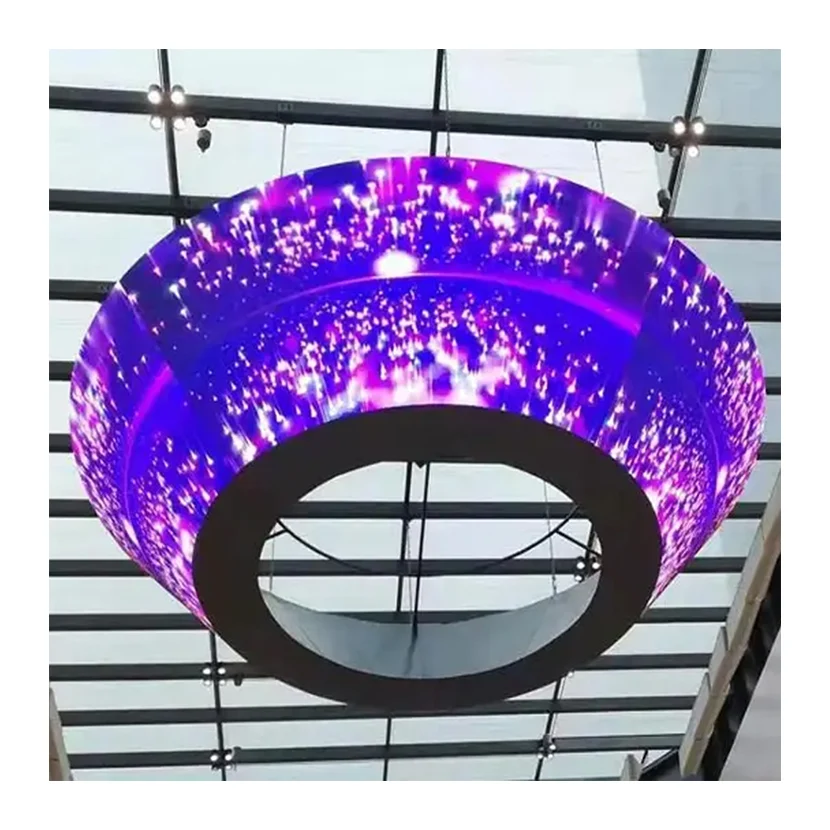
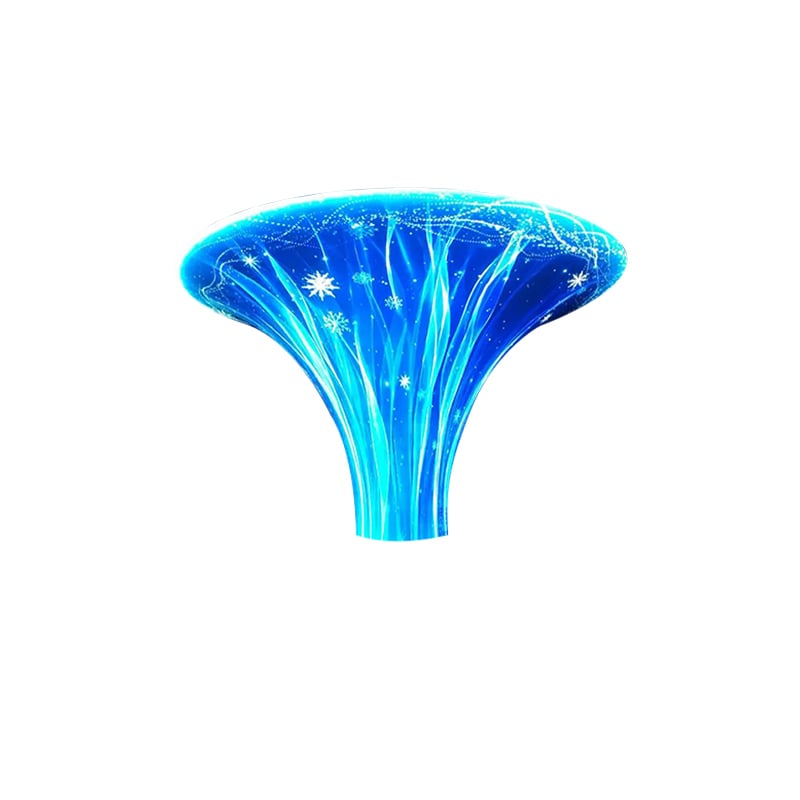
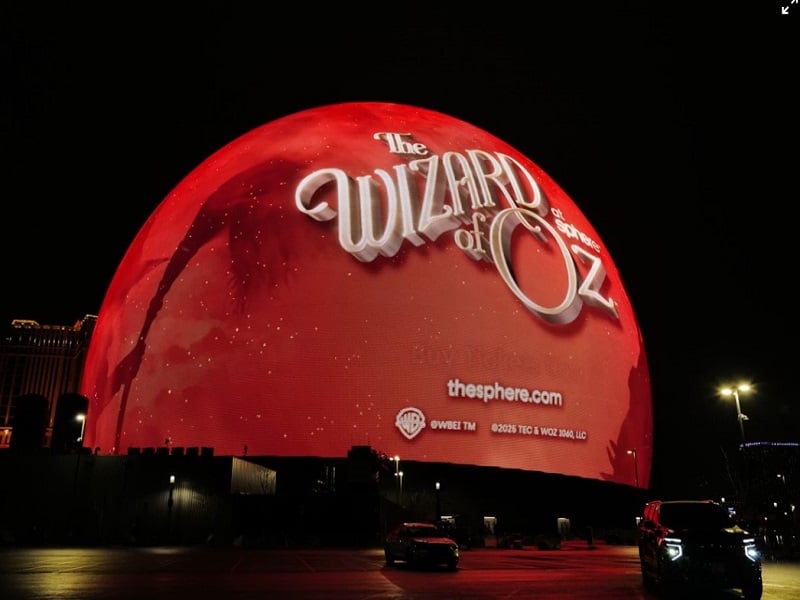
Imagine spending hundreds of thousands of dollars on a state-of-the-art hemispherical LED dome, only to turn it on and see your content stretched, warped, and completely unwatchable.
This happens because standard video content is flat, while your screen is a three-dimensional curved surface. If you feed a flat video into a sphere without processing it, geometric distortion will ruin the immersive experience.
Fortunately, cutting-edge software and hardware calibration can fix this. Let's explore exactly how engineers use 3D mapping and geometric correction to deliver flawless, warp-free visuals on a curved surface.
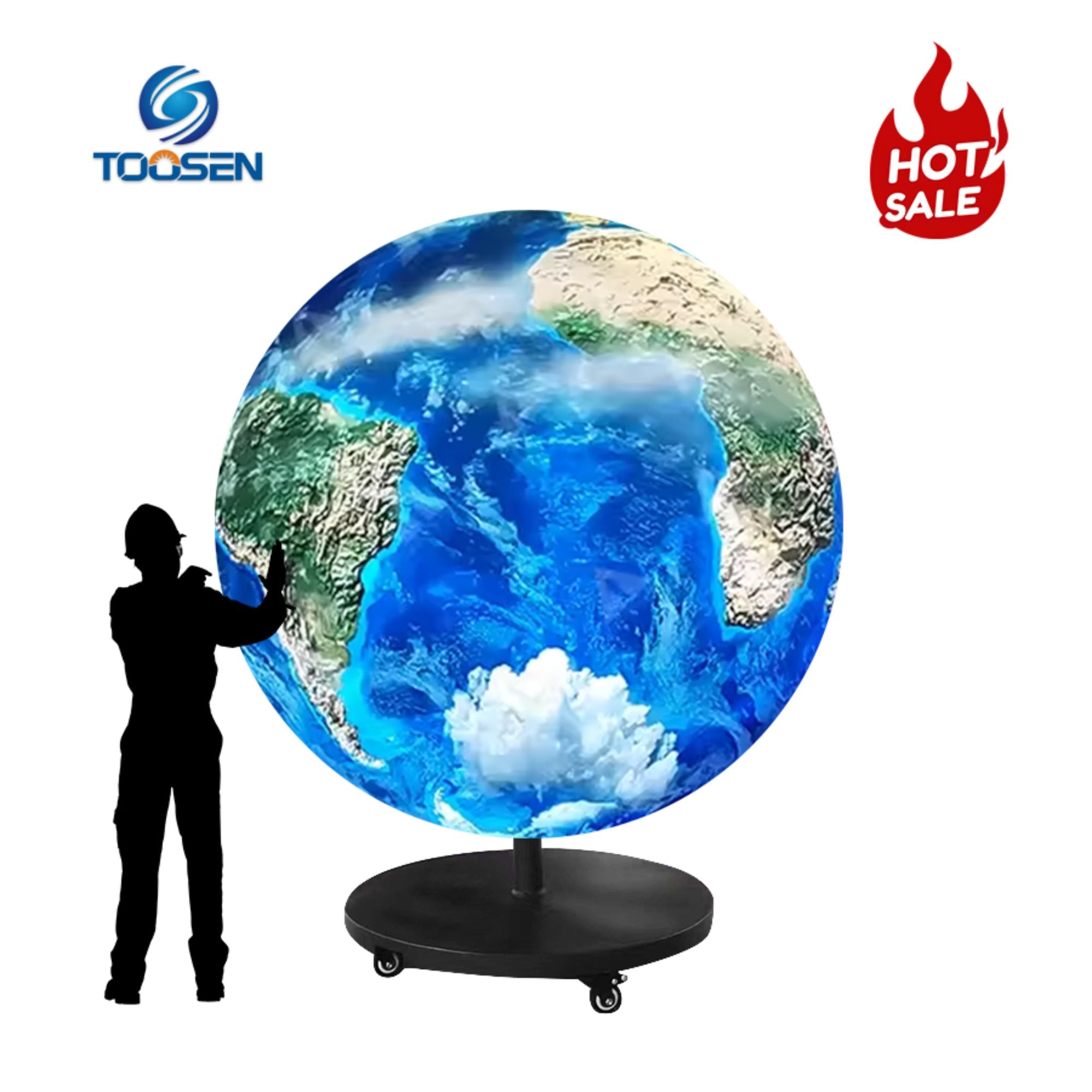
To understand the solution, think of a globe. You cannot flatten a globe onto a flat map without stretching the continents. The reverse is also true: you cannot wrap a flat, rectangular video around a dome without compressing the top and stretching the bottom. To combat this distortion, the industry relies on a two-step tech stack.
Before the video even reaches the screen's media server, content creators must build the video with the dome’s specific geometry in mind.
Creating a Digital Twin: Digital artists create a precise $3D$ model of the hemispherical screen in software like Blender, Maya, or Unreal Engine.
UV Unwrapping: They project a $2D$ coordinate system (U for horizontal, V for vertical) onto the $3D$ mesh.
Baking the Content: The software "bakes" the visual data into a specialized fisheye or equirectangular format. This pre-distorts the video so that it looks exactly right once it wraps around the physical curve.
[Standard 2D Video] ➔ [3D UV Mapping / Content Pre-Distortion] ➔ [Perfect Look on Dome Screen]
Even with pre-distorted content, physical installation variances can still cause minor alignment errors. This is where advanced media servers (such as Pixera, Watchout, or NovaStar systems) come into play.
Camera-Based Auto-Calibration: Engineers set up high-resolution calibration cameras at the center of the dome. The LED screen displays a series of gray codes and dot patterns.
Pixel-to-Pixel Real-Time Warping: The calibration software analyzes the camera images, detects exactly where the physical pixels sit in $3D$ space, and creates a correction matrix.
Seamless Edge Blending: The system automatically adjusts the brightness and alignment along the seams of the irregular LED modules, erasing any visual gaps.
Achieving a jaw-dropping immersive experience requires seamless cooperation between hardware installers and software engineers. When you source a hemispherical LED screen, always ensure your provider includes a media server capable of real-time geometric warping and camera-based auto-calibration. Without these tools, your spherical masterpiece will remain a distorted headache.
 EN
EN
 AR
AR
 BG
BG
 HR
HR
 CS
CS
 DA
DA
 NL
NL
 FI
FI
 FR
FR
 DE
DE
 EL
EL
 HI
HI
 IT
IT
 JA
JA
 KO
KO
 NO
NO
 PL
PL
 PT
PT
 RO
RO
 RU
RU
 ES
ES
 SV
SV
 TL
TL
 ID
ID
 SR
SR
 UK
UK
 VI
VI
 ET
ET
 HU
HU
 TH
TH
 TR
TR
 FA
FA
 AF
AF
 MS
MS
 GA
GA
 HY
HY
 AZ
AZ
 MN
MN
 UZ
UZ