Home > News > Industry News
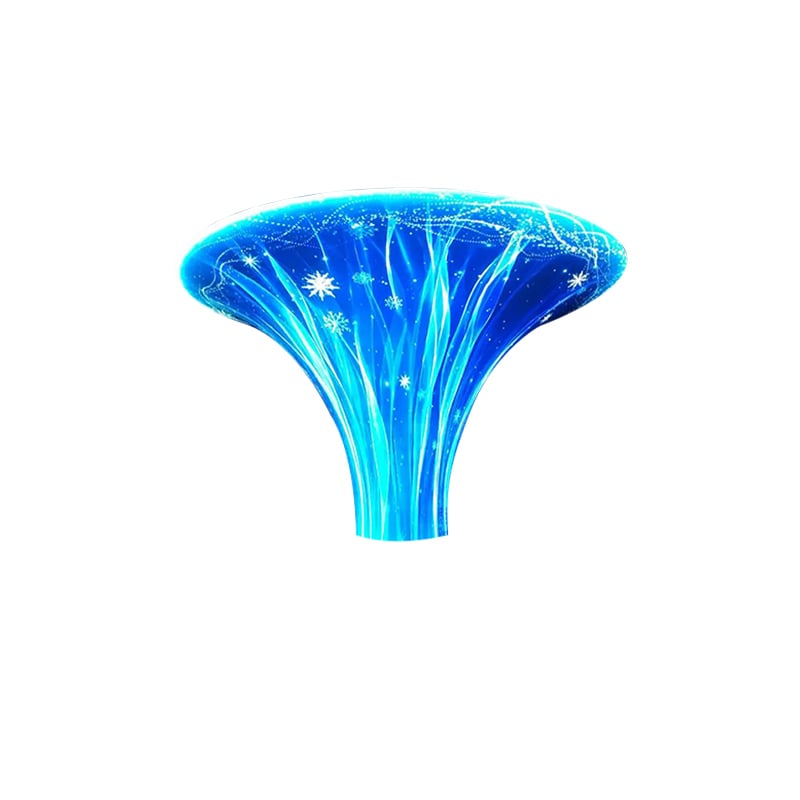
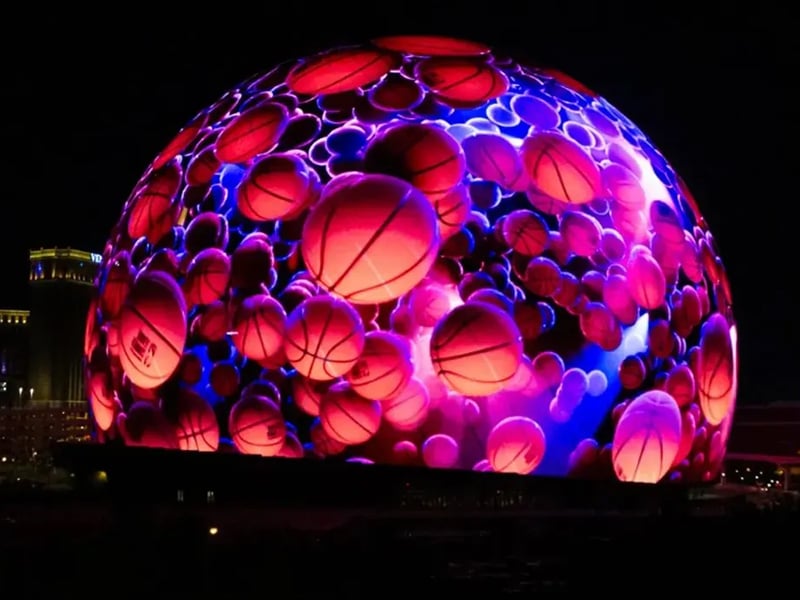
When the MSG Sphere launched in Las Vegas, it didn’t just change the entertainment landscape—it pushed structural and environmental engineering to its absolute limits.
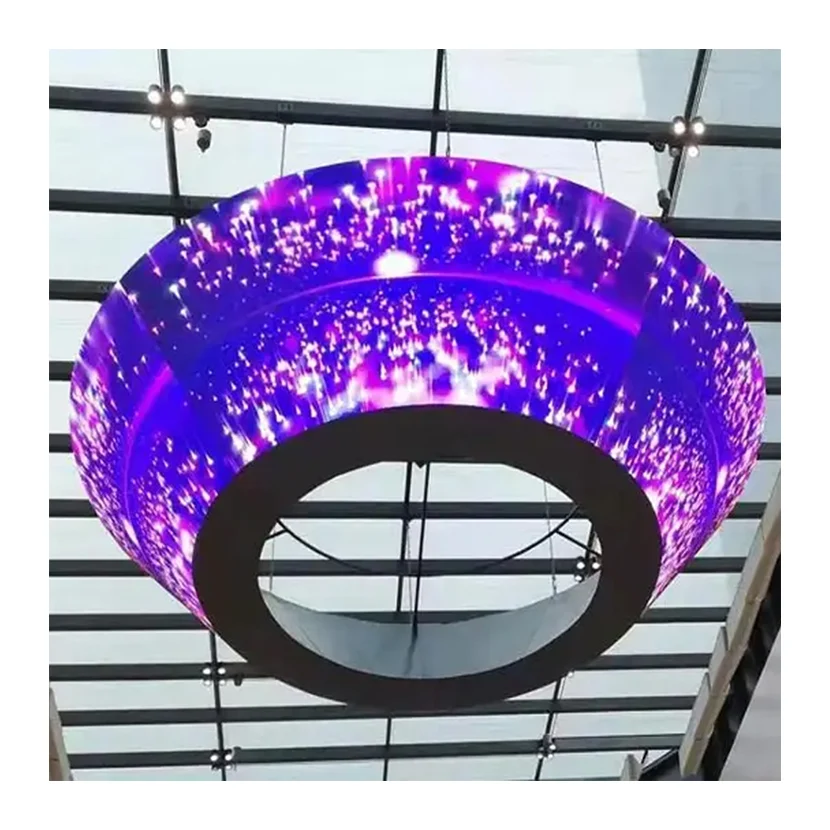
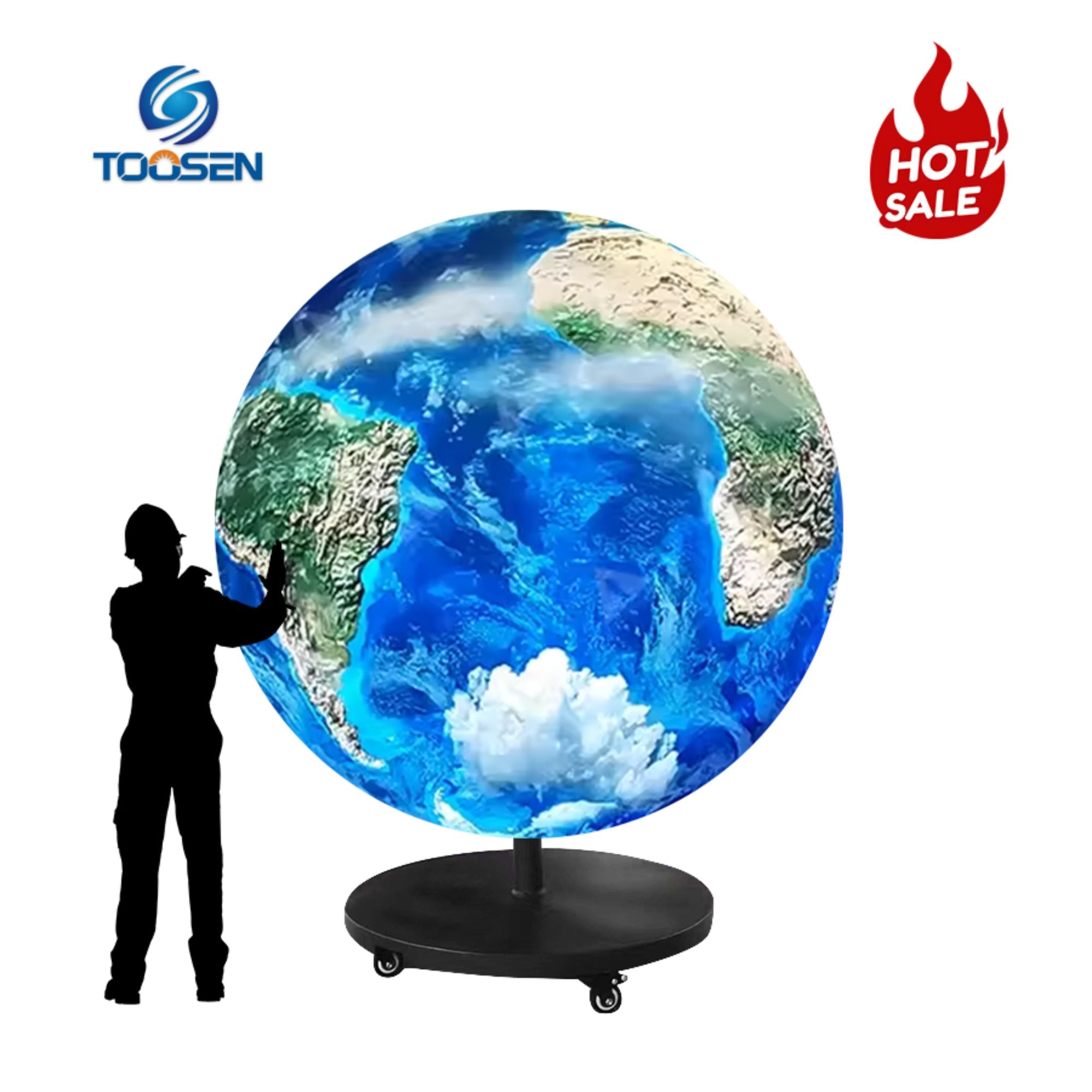
Building a flat outdoor LED billboard is hard enough. However, engineering an outdoor hemispherical LED structure introduces a completely unique set of environmental challenges. Because gravity, wind, rain, and heat hit a sphere from every imaginable angle, standard weatherproofing methods simply will not work.
Here is a look behind the curtain at how engineers keep these massive spherical structures cool and bone-dry.
LED screens generate a massive amount of heat. If you pack thousands of LED modules into a dome shape, the heat will naturally rise toward the top apex. This creates a dangerous "chimney effect" that can bake your upper electronics, causing premature pixel failure.
To solve this, engineering teams deploy a multi-tiered cooling strategy:
The Hollow Exoskeleton: Instead of a solid surface, many large outdoor spheres use an open-mesh architecture or louvered LED strips. This design allows wind to pass through naturally, carrying heat away without compromising the structure's integrity.
Forced Positive Air Ventilation: Inside the dome frame, industrial HVAC systems and automated exhaust fans pull cool air from the base and violently flush hot air out through automated vents at the very top.
Distributed Power Supplies: Instead of grouping power supplies together, engineers scatter them across the frame or house them in centralized, air-conditioned rooms below the screen to minimize localized heat buildup.
On a standard vertical screen, rain simply runs down the front face. On a hemisphere, rain hits the top vertically, clings to the middle curves, and can pool in lower crevices.
To prevent catastrophic water damage, manufacturers use several specialized defensive layers:
Triple-Layer Module Sealing: Every individual LED module features a vacuum-sealed silicone gasket on the back, an IP66-rated conformal coating on the PCB, and a waterproof front mask.
Integrated Drainage Channels: The underlying steel framework contains hidden gutters and drainage tracks. If water slips past the outer LED layer, these tracks safely guide the moisture down and away from the internal electronics.
Hydrophobic Masks: The outer plastic shaders use specialized hydrophobic materials that shed water instantly, preventing droplets from pooling and distorting the light output.
| Engineering Challenge | Indoor Hemispherical LED | Outdoor Hemispherical LED |
| Cooling Method | Standard ambient AC & passive rear heat sinks | Forced ventilation, open-mesh structures, top-mounted exhaust systems |
| Ingress Protection | IP30 - IP43 (Basic dust protection) | IP65 - IP66 (Heavy dust and high-pressure water jets) |
| Wind Load Considerations | None | High (Requires rigorous aerodynamic engineering for wind resistance) |
Building an outdoor spherical masterpiece requires an approach that goes far beyond traditional AV installation. By treating the project as a dynamic architectural system—where structural airflow and advanced hydrology take center stage—engineers can ensure that these massive displays shine brightly through scorching summers and torrential storms alike.
 EN
EN
 AR
AR
 BG
BG
 HR
HR
 CS
CS
 DA
DA
 NL
NL
 FI
FI
 FR
FR
 DE
DE
 EL
EL
 HI
HI
 IT
IT
 JA
JA
 KO
KO
 NO
NO
 PL
PL
 PT
PT
 RO
RO
 RU
RU
 ES
ES
 SV
SV
 TL
TL
 ID
ID
 SR
SR
 UK
UK
 VI
VI
 ET
ET
 HU
HU
 TH
TH
 TR
TR
 FA
FA
 AF
AF
 MS
MS
 GA
GA
 HY
HY
 AZ
AZ
 MN
MN
 UZ
UZ