Home > News > Industry News
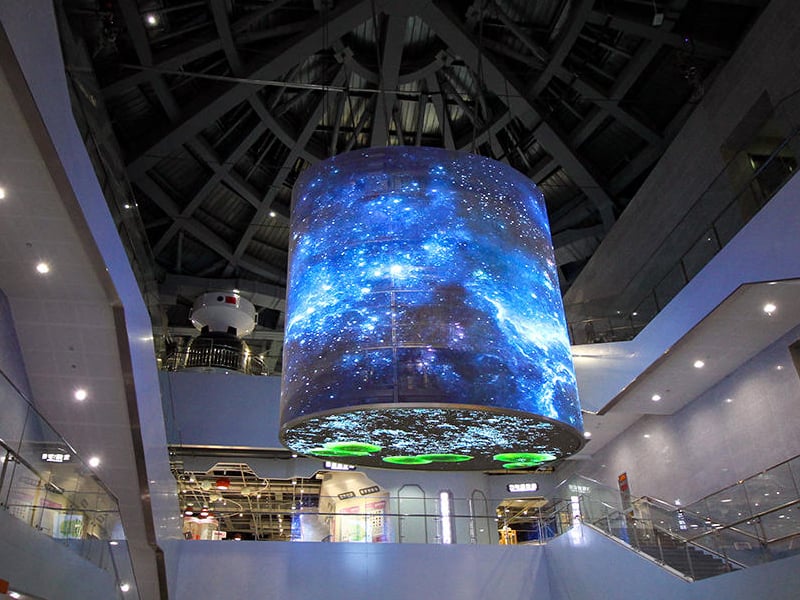
Integrating LED screens into special, irregular, or historic buildings requires thoughtful planning and innovative technology. Rather than forcing standard displays into unconventional spaces, designers can use flexible modules, transparent panels, lightweight structures, and custom shapes to create installations that respect the architecture while delivering striking visual experiences.
Read more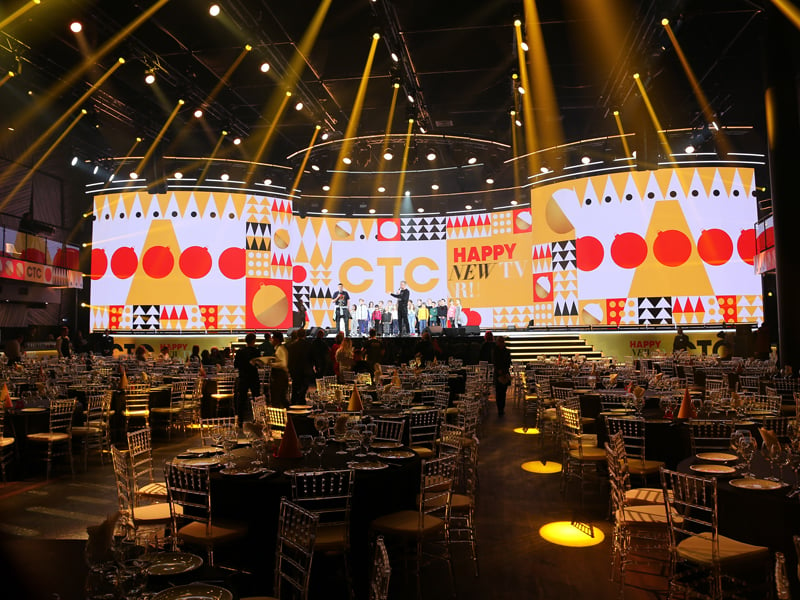
Architects no longer design buildings as simple rectangular structures. Today’s skylines feature curved façades, twisting towers, glass curtain walls, and centuries-old landmarks that demand careful preservation. As a result, integrating an LED screen into these spaces requires more than standard installation techniques.
Read more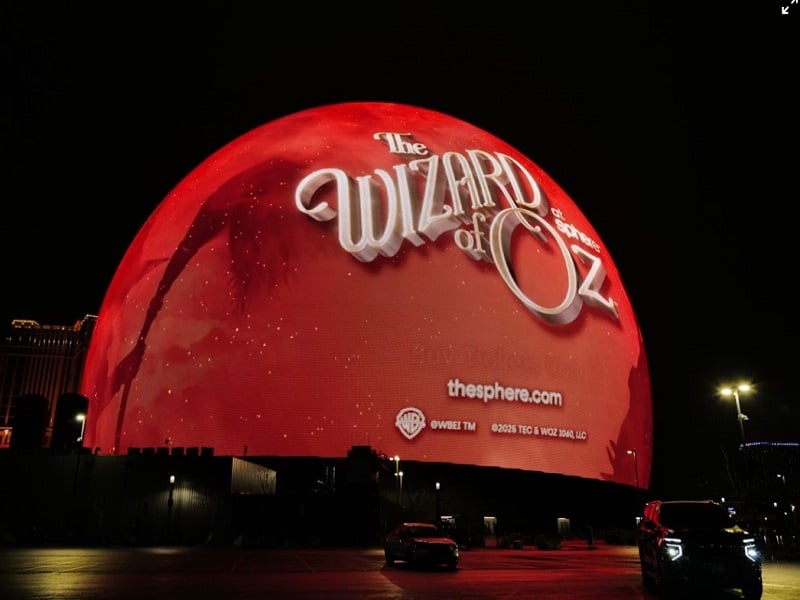
Virtual production has completely transformed the modern broadcast and filmmaking industry. By replacing traditional green screens with massive, ultra-crisp LED panels, creators can now capture stunning, in-camera visual effects in real time.
Read more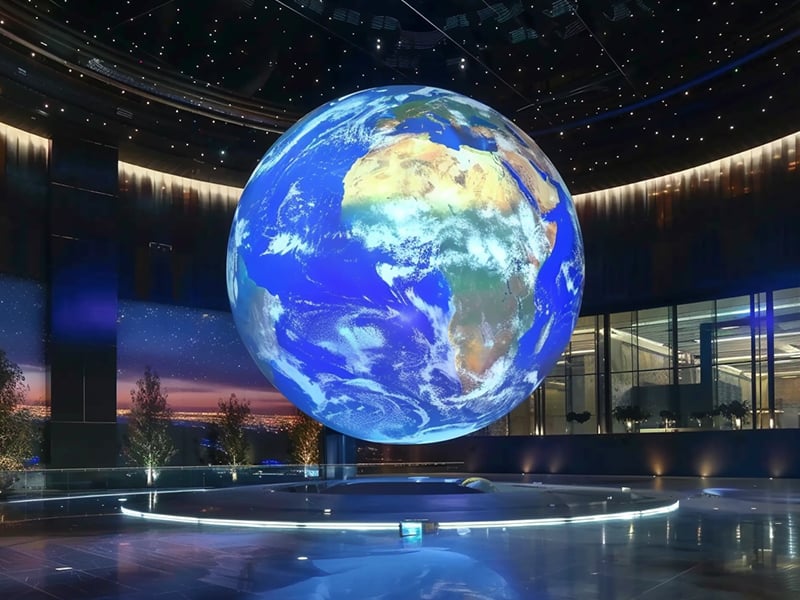
A suspended spherical LED display creates a striking visual effect and instantly adds a futuristic feel to any venue. However, hanging a large LED sphere overhead introduces engineering challenges that go far beyond those of a floor-mounted installation.
Read more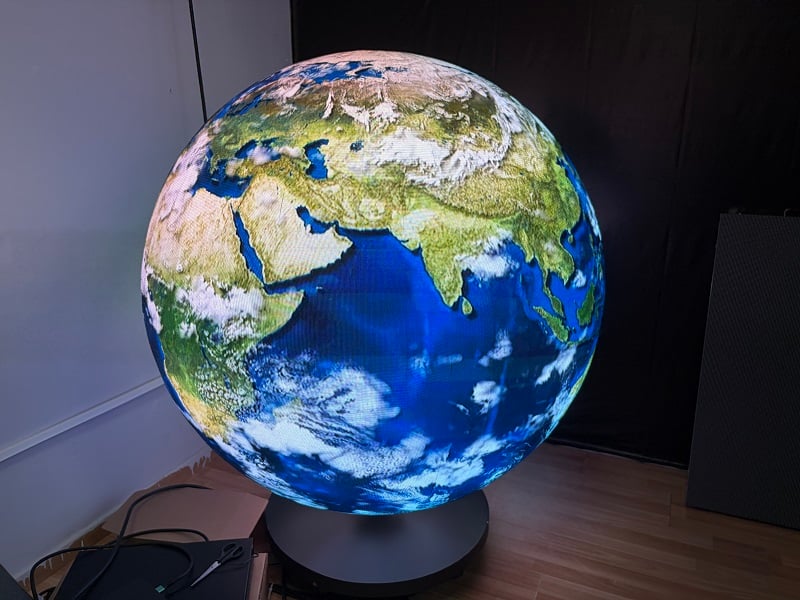
A 1-meter outdoor spherical LED display combines portability, durability, and creative versatility in a compact form factor. Whether used to attract shoppers, enhance tourist destinations, strengthen corporate branding, support smart city initiatives, or energize live events, it delivers a distinctive visual experience that stands out from conventional digital signage.
Read more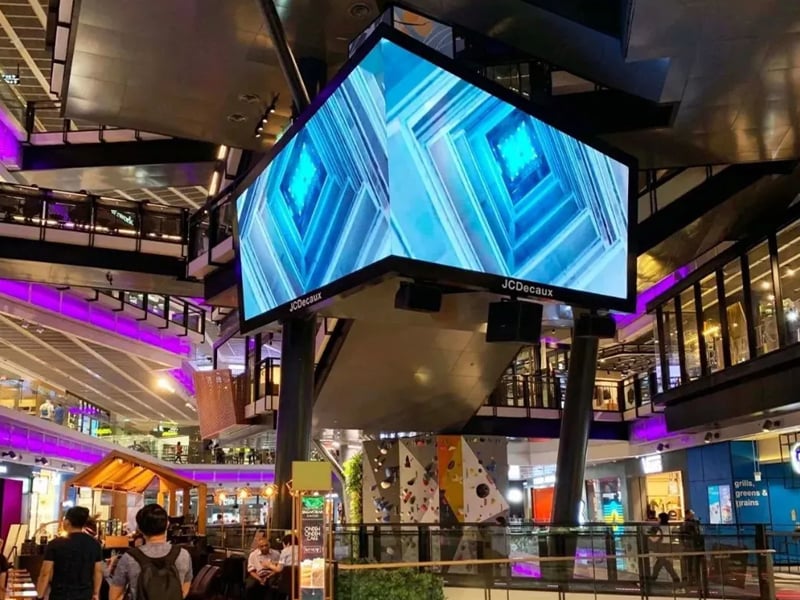
Every FIFA World Cup creates unforgettable moments, but only a small percentage of fans can watch the matches inside the stadium. Millions of others gather in city squares, entertainment districts, sports bars, shopping centers, and night markets to experience the excitement together.
Read more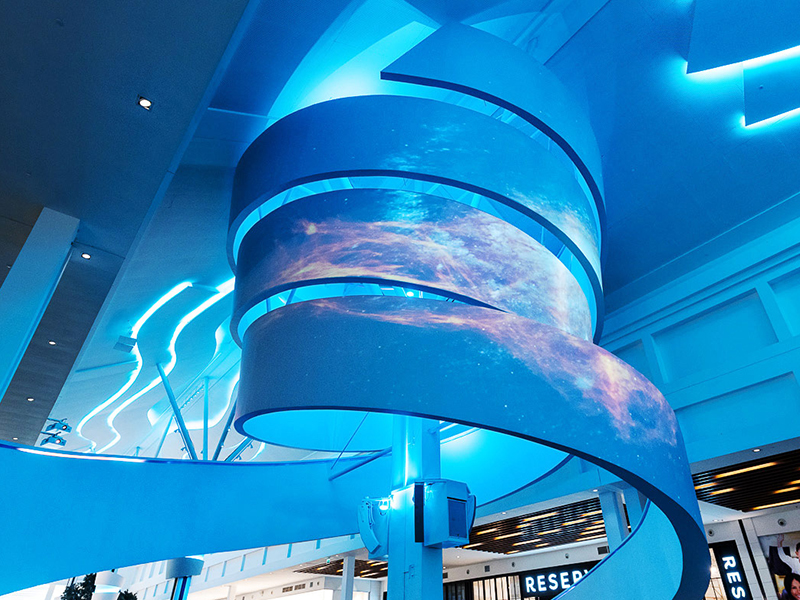
Ultra-thin flexible LED displays allow designers to think beyond flat rectangles and create digital experiences that adapt to architecture, products, and public spaces. Whether wrapping columns in a shopping mall, shaping immersive stage scenery, integrating media into modern buildings, or enhancing next-generation vehicle interiors, these displays continue to expand the possibilities of visual communication.
Read more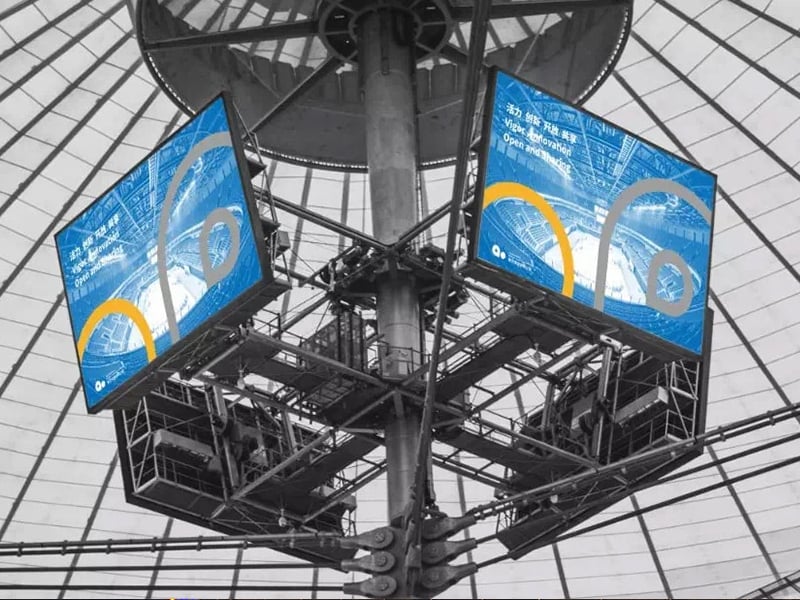
Investing in an ice hockey arena LED display requires a strategy that goes beyond standard indoor specs. By choosing a system engineered with active low-temperature components, airtight moisture barriers, and impact-absorbing materials, you ensure a flawless fan experience, protect your athletes, and secure a massive return on investment for years to come.
Read more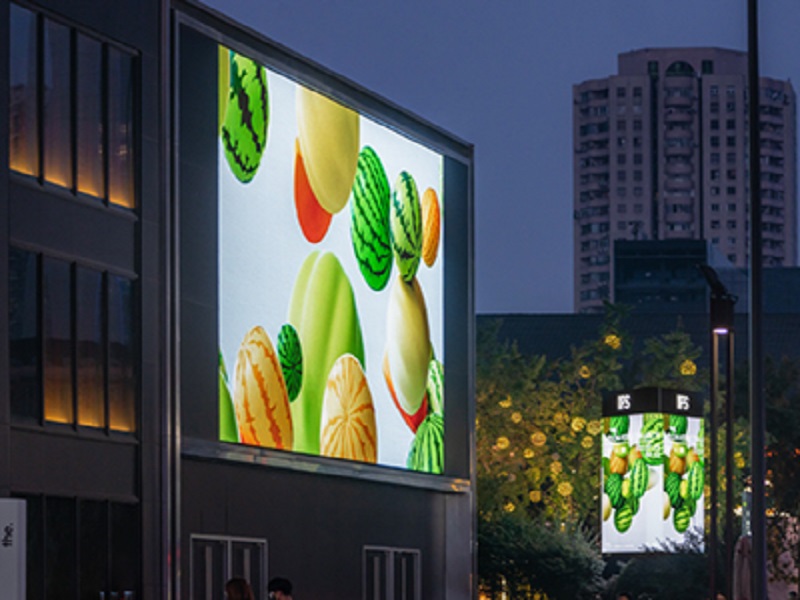
Achieving that flawless, high-end "digital wallpaper" look requires meticulous planning and precise execution. Unlike standard wall mounts, an in-wall embedded LED installation demands a perfect marriage between structural engineering and digital technology.
Read more EN
EN
 AR
AR
 BG
BG
 HR
HR
 CS
CS
 DA
DA
 NL
NL
 FI
FI
 FR
FR
 DE
DE
 EL
EL
 HI
HI
 IT
IT
 JA
JA
 KO
KO
 NO
NO
 PL
PL
 PT
PT
 RO
RO
 RU
RU
 ES
ES
 SV
SV
 TL
TL
 ID
ID
 SR
SR
 UK
UK
 VI
VI
 ET
ET
 HU
HU
 TH
TH
 TR
TR
 FA
FA
 AF
AF
 MS
MS
 GA
GA
 HY
HY
 AZ
AZ
 MN
MN
 UZ
UZ