Home > News > Industry News
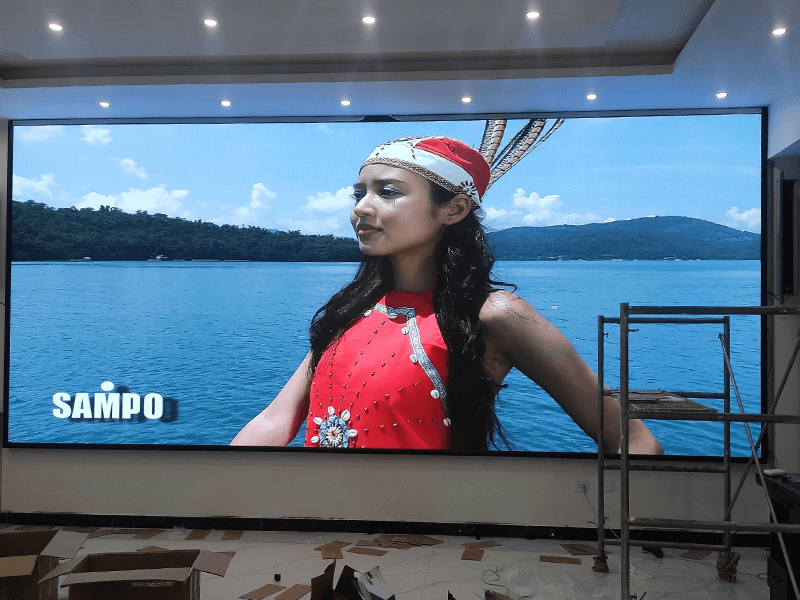
When you design a premium indoor space, every detail matters. While traditional LED installations often feel like bulky hardware slapped onto a wall, flush-mount embedded LED screens blend technology seamlessly into architecture. By sitting perfectly level with the surrounding wall, these displays eliminate visual clutter and save critical square footage.
Read more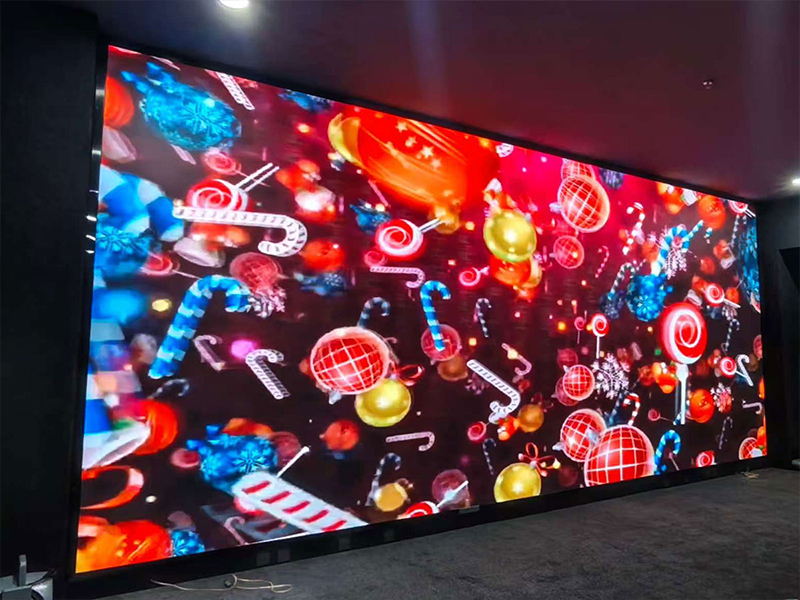
When you walk into a high-end corporate lobby or a cutting-edge conference room, you immediately notice the tech. Today, the trend is moving away from bulky, protruding screens. Instead, designers are choosing in-wall embedded LED displays (also known as flush-mount or recessed LED screens).
Read more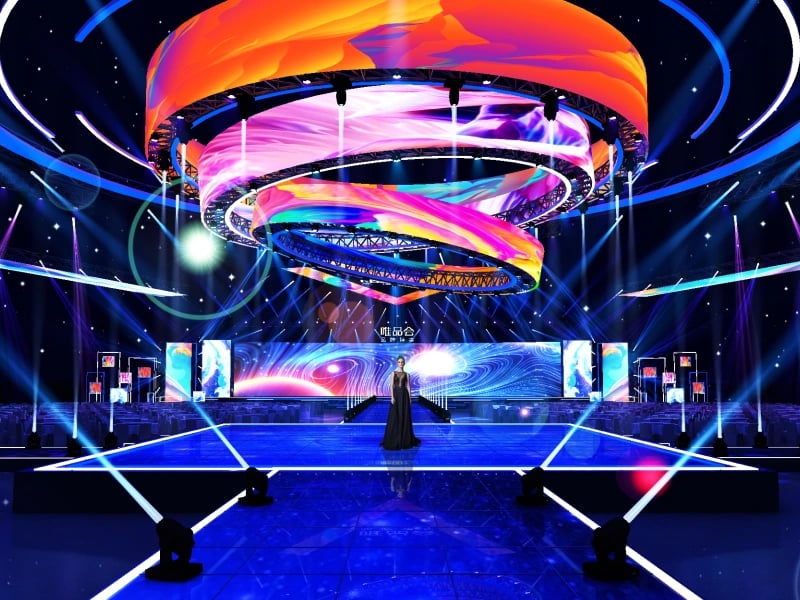
Ultimately, modern downtown revitalization requires more than just paving new sidewalks—it demands engagement. LED walls offer the perfect blend of utility, entertainment, and economic incentive. By embracing these digital landmarks, cities do not just decorate their streets; they successfully breathe new life into their local economies and foster a stronger sense of community.
Read more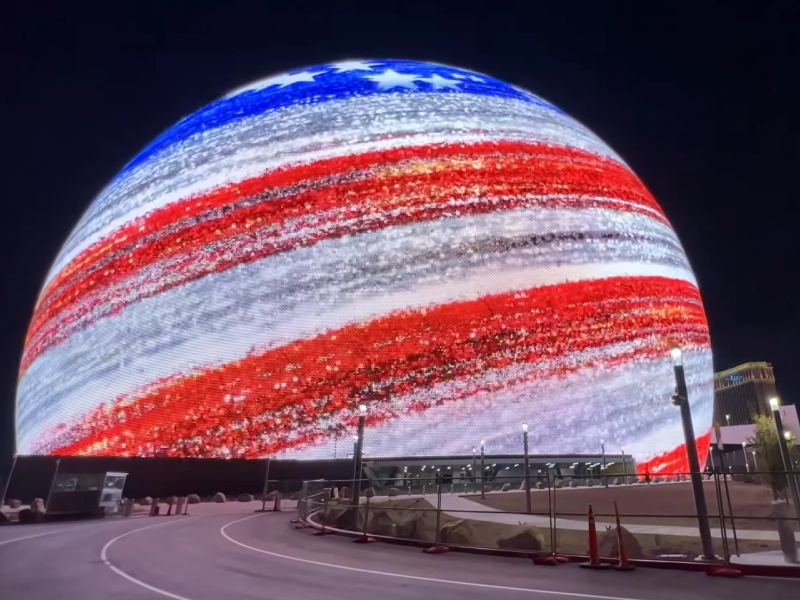
Irregular LED displays no longer look like add-ons—they become the very skin of the architecture itself, permanently blurring the line between the physical and digital worlds.
Read more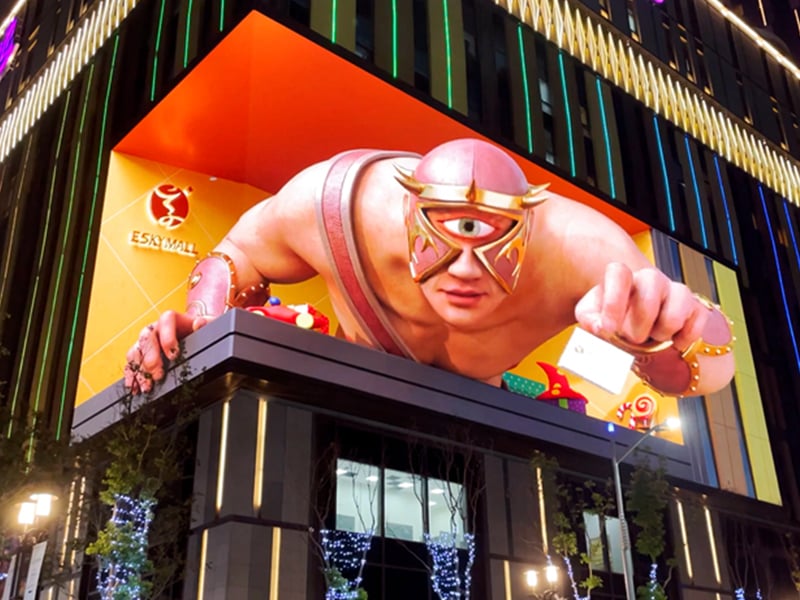
When a company installs a massive L-shaped outdoor billboard, they will use curved edges for the display corner to ensure the video looks stunning. At the same time, they will still wrap the entire perimeter of the giant display in a heavy-duty aluminum frame to protect their investment from the elements.
Read more
When you buy an LED screen, it is easy to focus entirely on visual specs like brightness and resolution. However, you must also consider long-term maintenance. Eventually, a pixel will die, or a receiving card will need a quick replacement.
Read more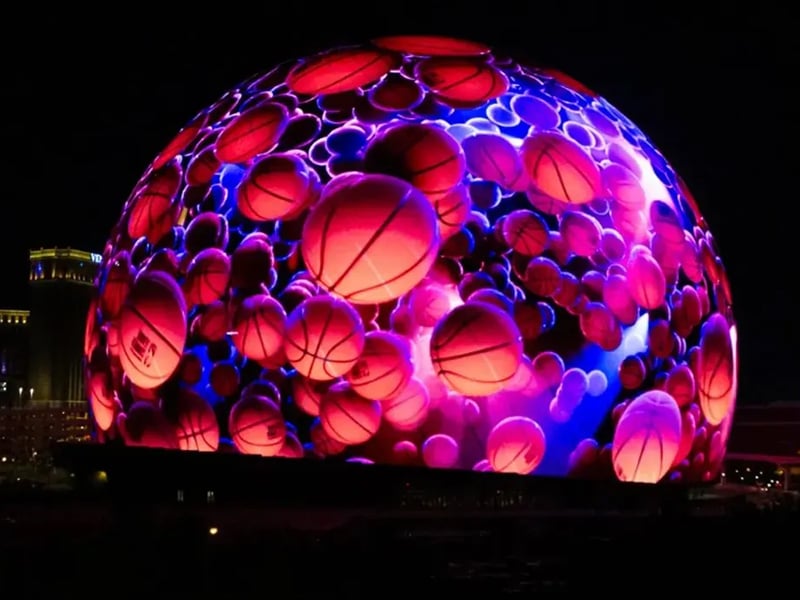
Building a flat outdoor LED billboard is hard enough. However, engineering an outdoor hemispherical LED structure introduces a completely unique set of environmental challenges. Because gravity, wind, rain, and heat hit a sphere from every imaginable angle, standard weatherproofing methods simply will not work.
Read more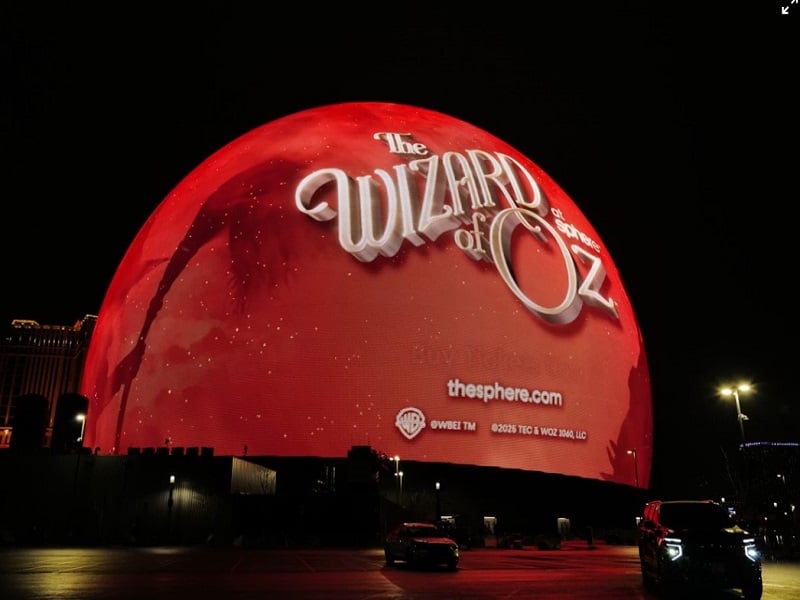
Achieving a jaw-dropping immersive experience requires seamless cooperation between hardware installers and software engineers. When you source a hemispherical LED screen, always ensure your provider includes a media server capable of real-time geometric warping and camera-based auto-calibration. Without these tools, your spherical masterpiece will remain a distorted headache.
Read more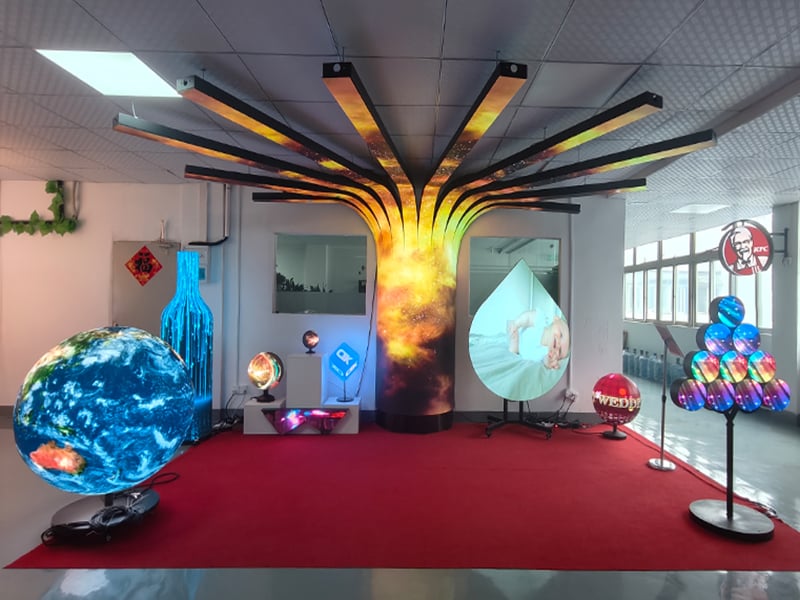
Dead pixels can reduce image quality and affect the overall viewing experience of an LED display. Fortunately, you can identify most pixel defects through visual inspections, software diagnostics, and professional testing equipment.
Read more EN
EN
 AR
AR
 BG
BG
 HR
HR
 CS
CS
 DA
DA
 NL
NL
 FI
FI
 FR
FR
 DE
DE
 EL
EL
 HI
HI
 IT
IT
 JA
JA
 KO
KO
 NO
NO
 PL
PL
 PT
PT
 RO
RO
 RU
RU
 ES
ES
 SV
SV
 TL
TL
 ID
ID
 SR
SR
 UK
UK
 VI
VI
 ET
ET
 HU
HU
 TH
TH
 TR
TR
 FA
FA
 AF
AF
 MS
MS
 GA
GA
 HY
HY
 AZ
AZ
 MN
MN
 UZ
UZ